Looking‐Glass

The only way out is through.

So strange—here I am again, enjoying a quiet drink, listening to Missy Elliot, and writing in my blog. Fun fact: the term blog is a portmanteau—I love getting to use the word portmanteau—of web log coined in the early days of the internet. Another fun fact: the term portmanteau was first used to represent the packing together of the sounds from existing words to create new words in Lewis Carroll’s Through the Looking‐Glass.

Back to why this is so strange—and this I realize is on the heels of my post decrying the phrase this time last year, but, nonetheless—and I love getting to use the word nonetheless—around this time last year, I was also enjoying a quiet drink, listening to Missy Elliot, and writing in my blog.

But I wasn’t—I’ve checked just now. The post I’m thinking about, where I reference drinking and Missy Elliot is from… the end of May. May 30th. I’m off by three months. I had myself going there for a little bit. It was nice—

I woke this morning to a txt from myself, and I love getting those because it means there’s something fun waiting for me from my past self who for whatever reason felt I wasn’t going to be able to remember whatever amazing thing I realized in the night and didn’t trust to not forget while I slept. And if the previous sentence is any indication how my waking mind functions I totally get why I do this. There have been times in the night when I’m not sure I’m awake or sleeping. It used to terrify me, but now I just go with it—I look at it as an opportunity to interact with myself in a new way. These are the times when I’ll write the most notes and then find them the next morning and try to figure out what they mean, but this time I sent a txt. Check your phone it said.

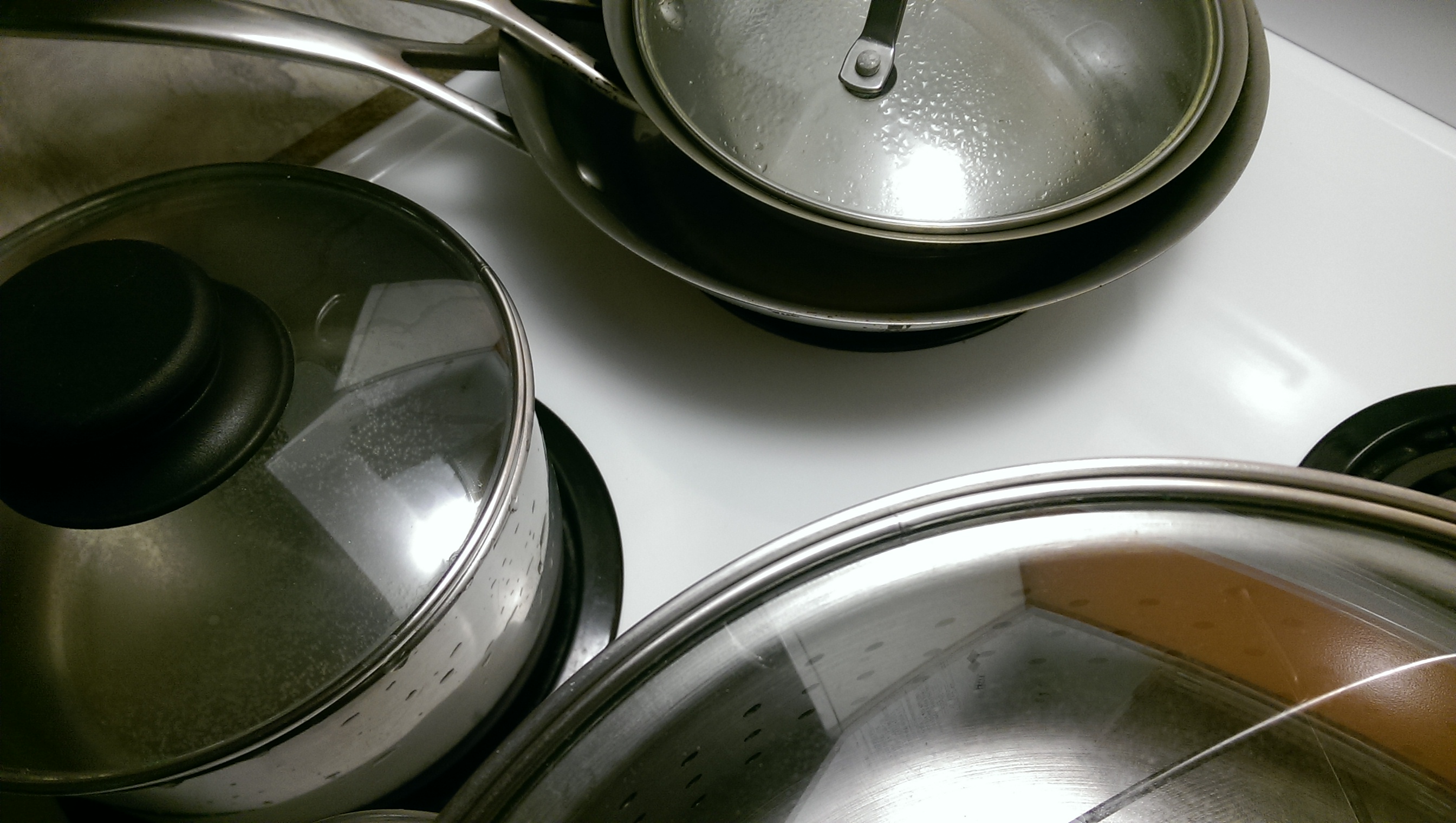
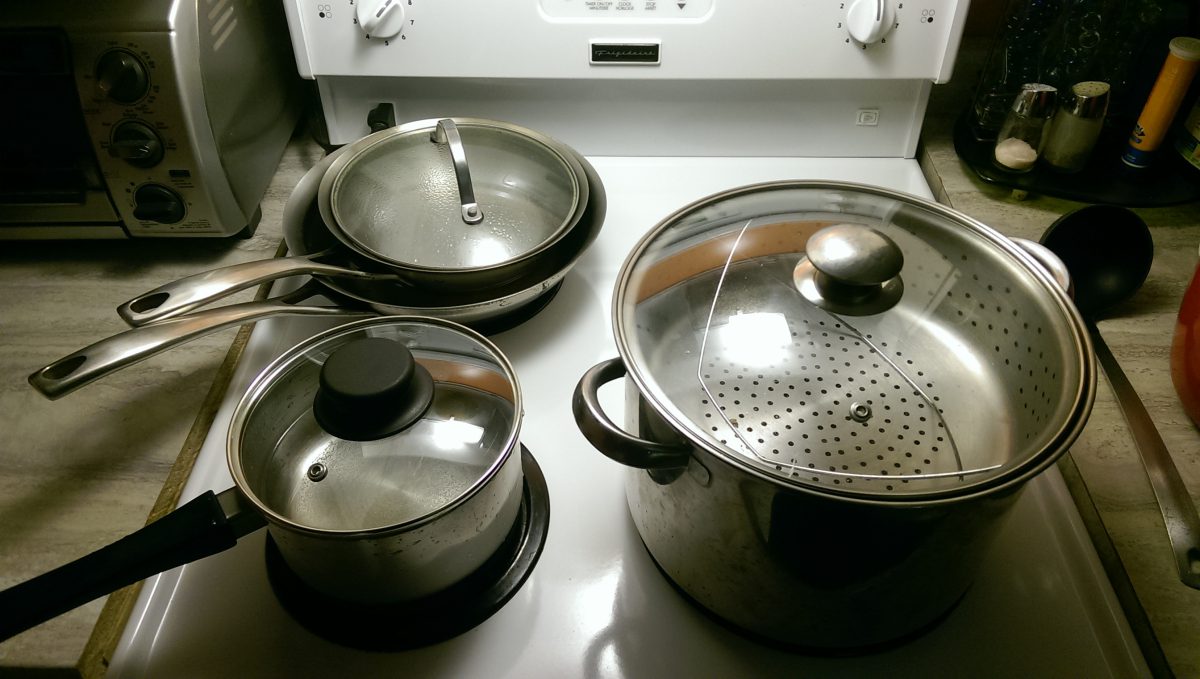
So I did. And I found a series of pictures, starting with the featured picture for this post—a shot of pots and pans sitting on the stove. Then I remembered. I was making a snack in the middle of the night, at 2:46AM according to the tag on the picture. I was waiting for the water to boil in the pot on the near‐left burner. There was nothing else for me to do, so I remember watching the pot intently, knowing there was no explainable mechanism for my gaze to prevent it from boiling. The camera’s perspective at this point is that of my own—I’m going to watch this pot boil. And it’s going to be amazing. Yes—it’s all coming back to me…

I can’t help but notice other things in this view. I’ve aligned the handles of the pots without realizing it. Each glass lid is reflecting in a different way the same light from the hood above the stove. Then all I see are the round forms—circles everywhere set off against the hard lines of the stove itself and the counter edges. The composition is pleasing, so I take a picture of it with my cameraphone.

The resultant image is flat by comparison. Something’s been lost. It’s just not as good as it was when I was looking at it through my own eyes compared to the camera’s. I don’t see the circles any more. The pleasing circular forms contrasted with sharp edges are just pots and pans on a stove. What happened?

When I was in Berlin I found myself getting frustrated with photography, as I often do lately, as it’s taken me some time to figure out what it is I’m actually seeing in an image making me want to capture it. What I’ve found is I’m capturing too much of an image rather than the small element that consciously or subconsciously caught my eye. I’d see a building and think it was beautiful and take its picture, but then I’d look down at the image and it wasn’t beautiful anymore. Why?

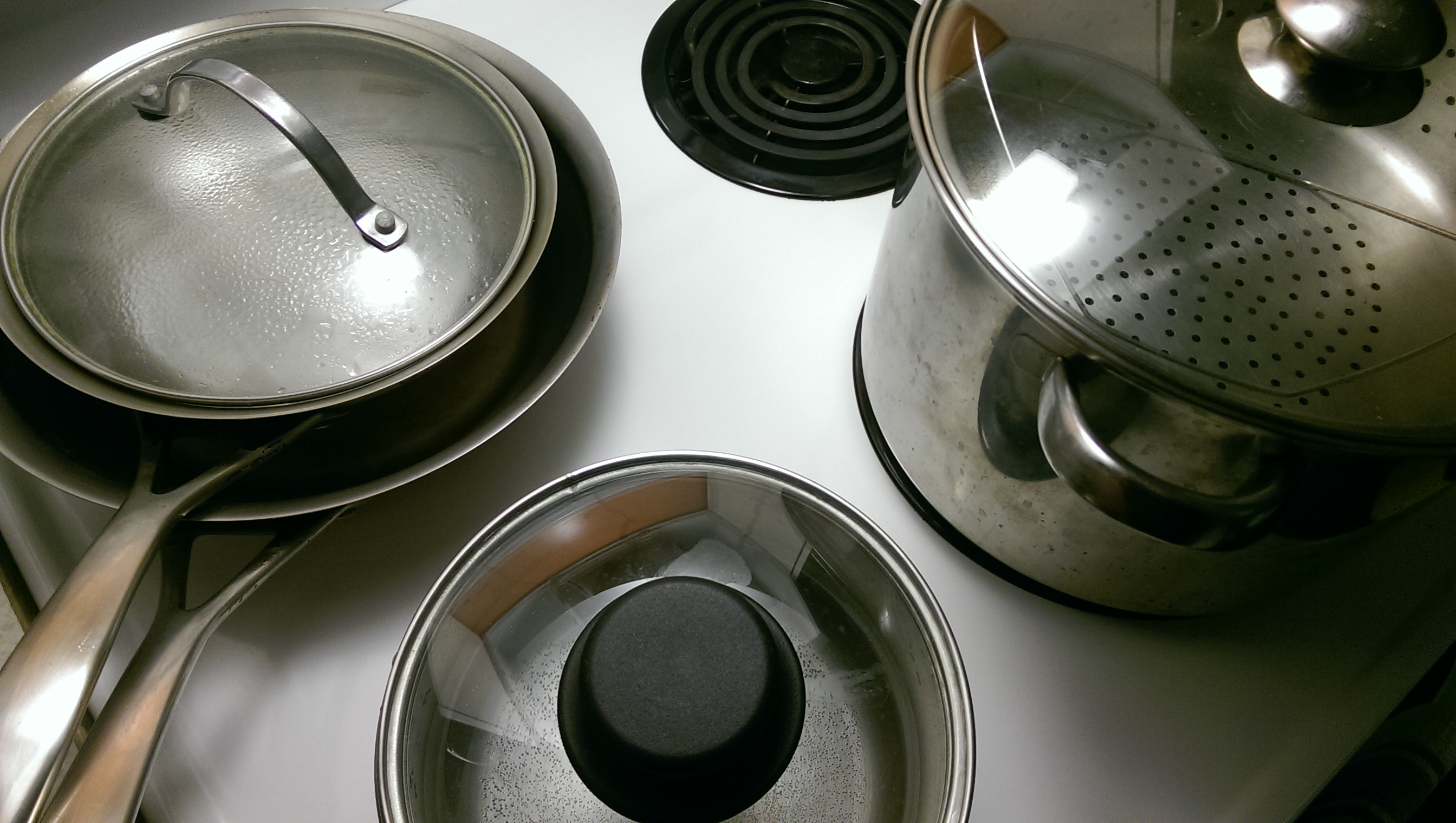
Back at the stove—waiting for the water to boil—I must have figured it out, because following the picture of the pots on the stove were a series of more pictures of the same thing, pots on a stove, but from different perspectives.
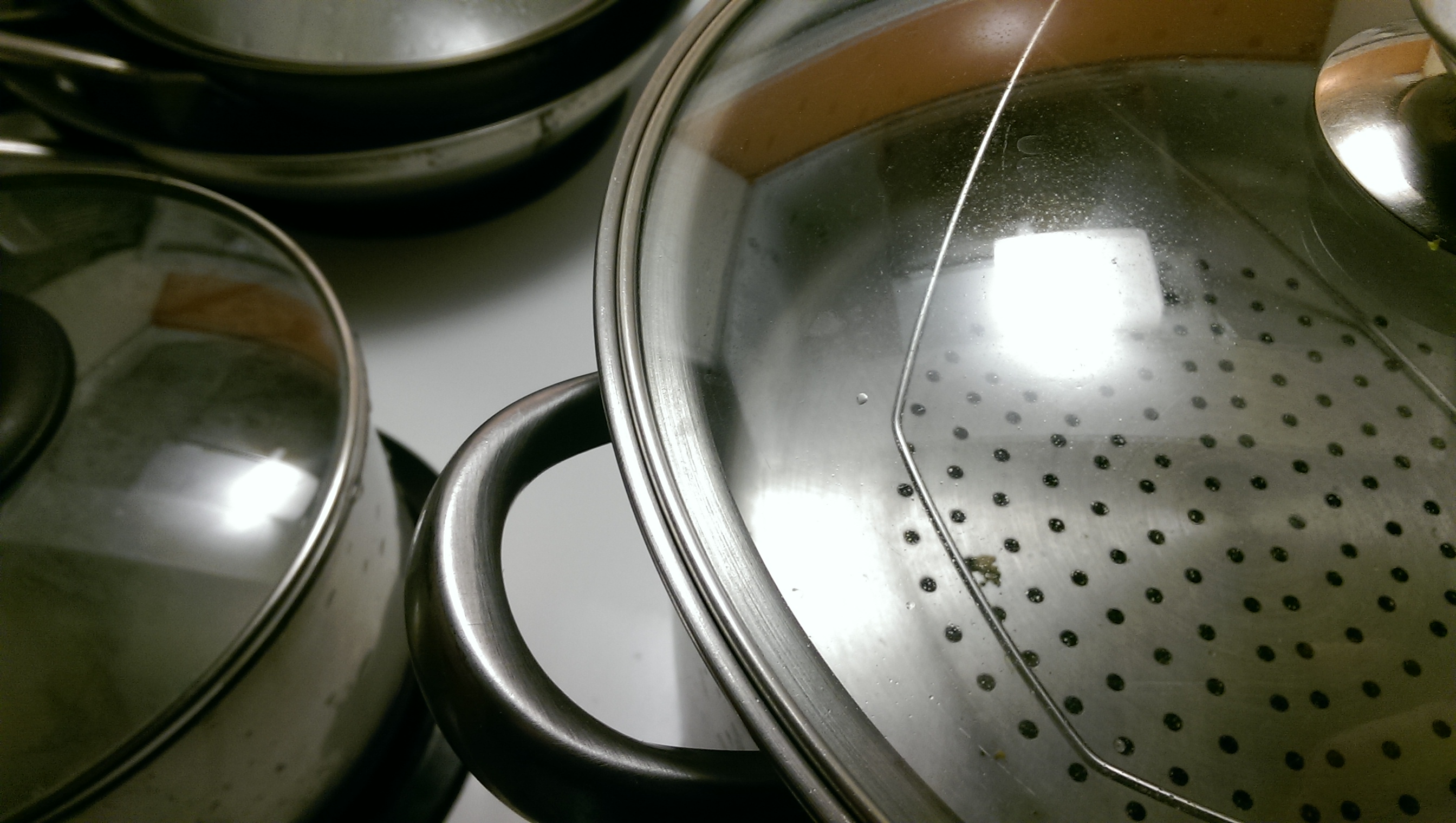
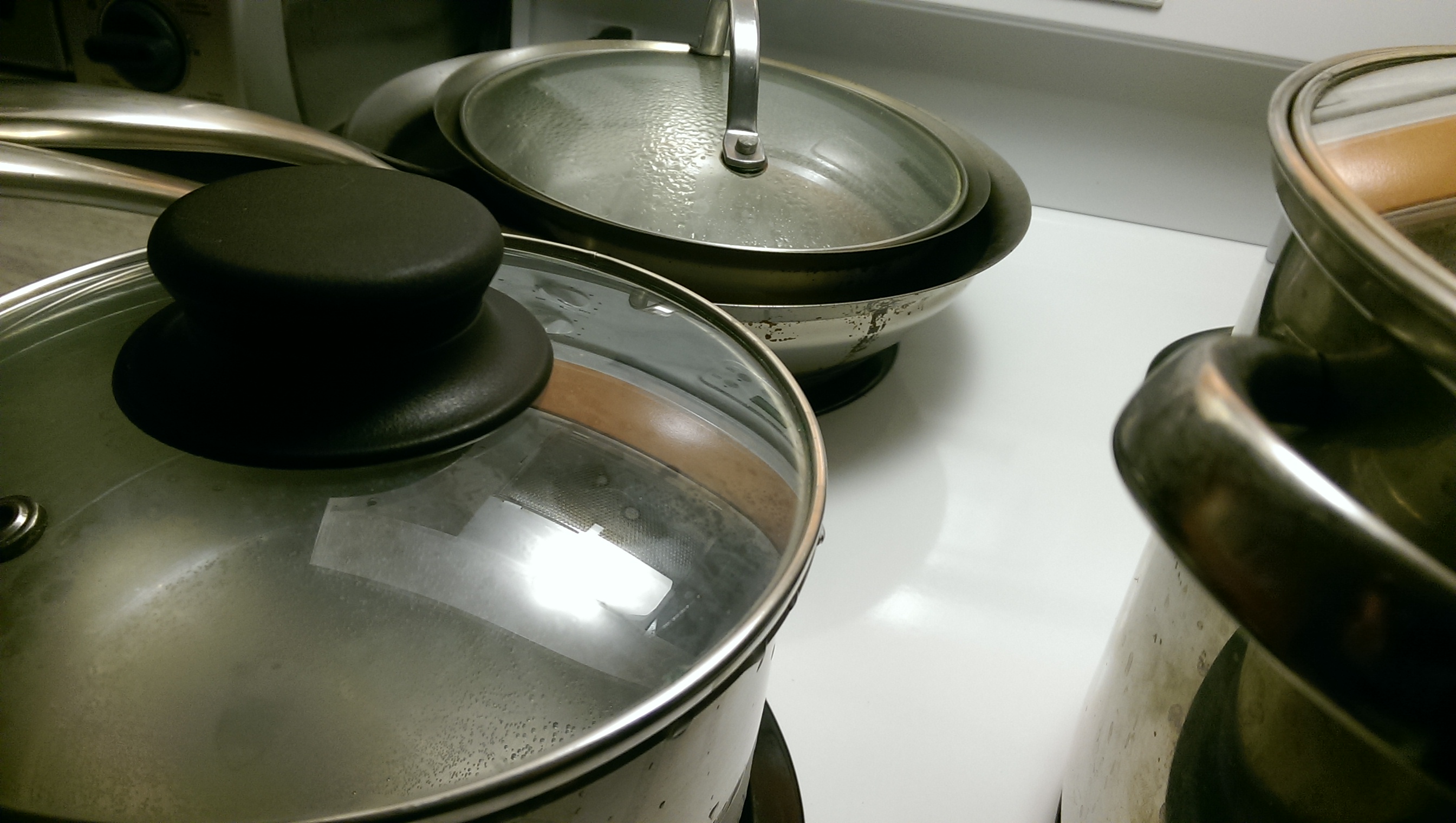
What I think my past self was trying to tell me was it wasn’t the entity of the scene of the pots on the stove I was finding pleaseing—it was many elements from many different perspectives I was taking in all at once to arrive at the final picture I was finding pleasing. My initial photograph I interpreted too literally, as I did with far too many scenes in Berlin, seeing it as a singularity, failing to see the so many parts making up a moment, failing to see just what it was I was actually seeing.

Take this view of some of my desk, for example…
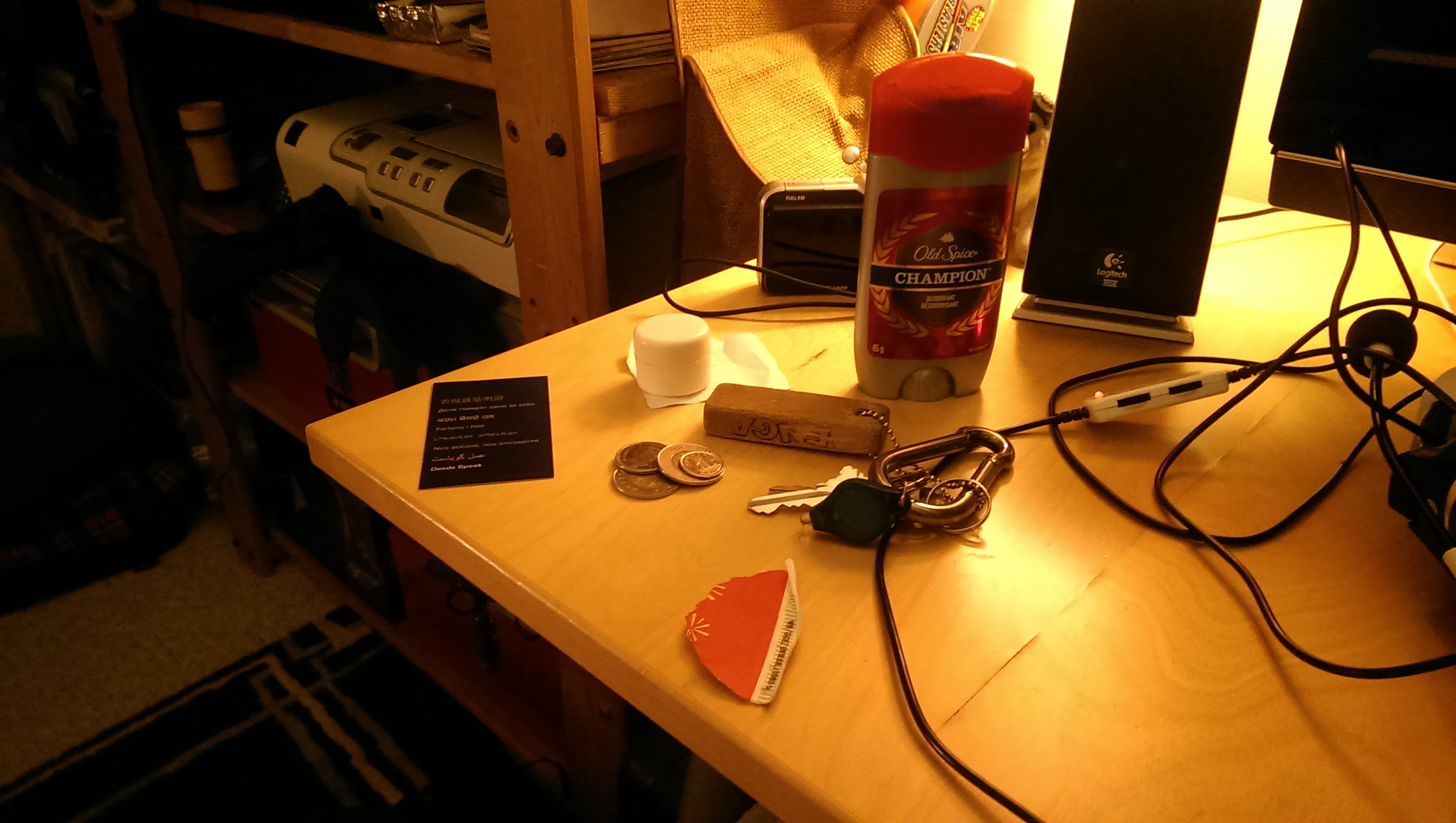
I like something about this view, but as photograph it’s not really showing what it is I like because that’s lost in the everything else about the picture.

But if I get in close…
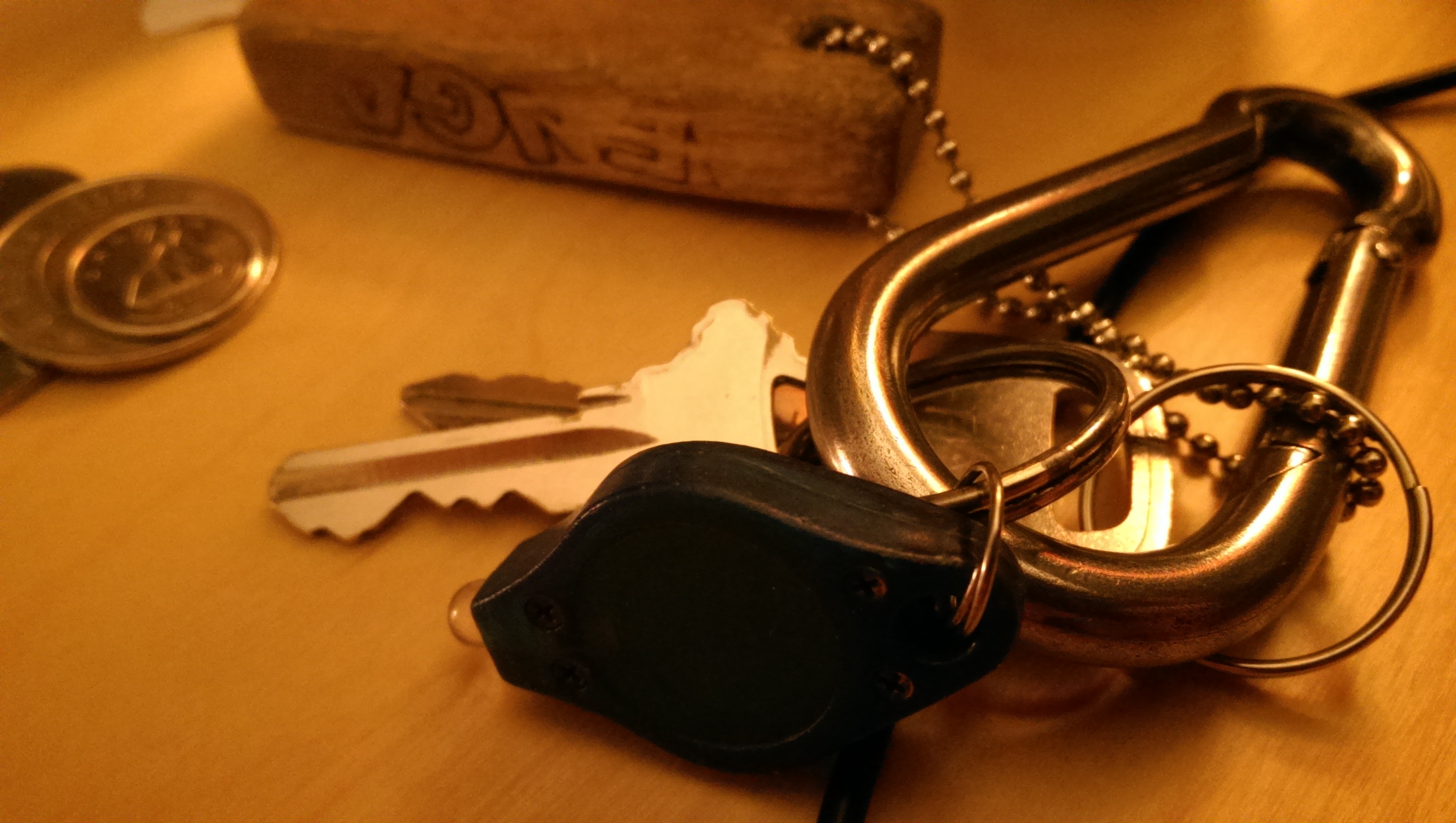
It’s the way my keys are sitting, the texture of the chain and Jenga block, the light reflecting off the worn carabiner. Suddenly the picture is more interesting, to me at least. It feels more like a picture I would take. And suddenly I feel better for having travelled thousands of kilometres to take pictures of signs, smashed televisions, and pavement. It’s the details where I find the beauty of life. Sometimes the big picture is just too big for me to know where to look, and that runs in stark contrast to when all I can see is the big picture.

Thinking back to the moment at the stove, I now remember all of this. I have my punctum back—the detail of a photograph which connects it to the viewer. I’m quietly happy. The water boils. And I’ve remembered why I take pictures.
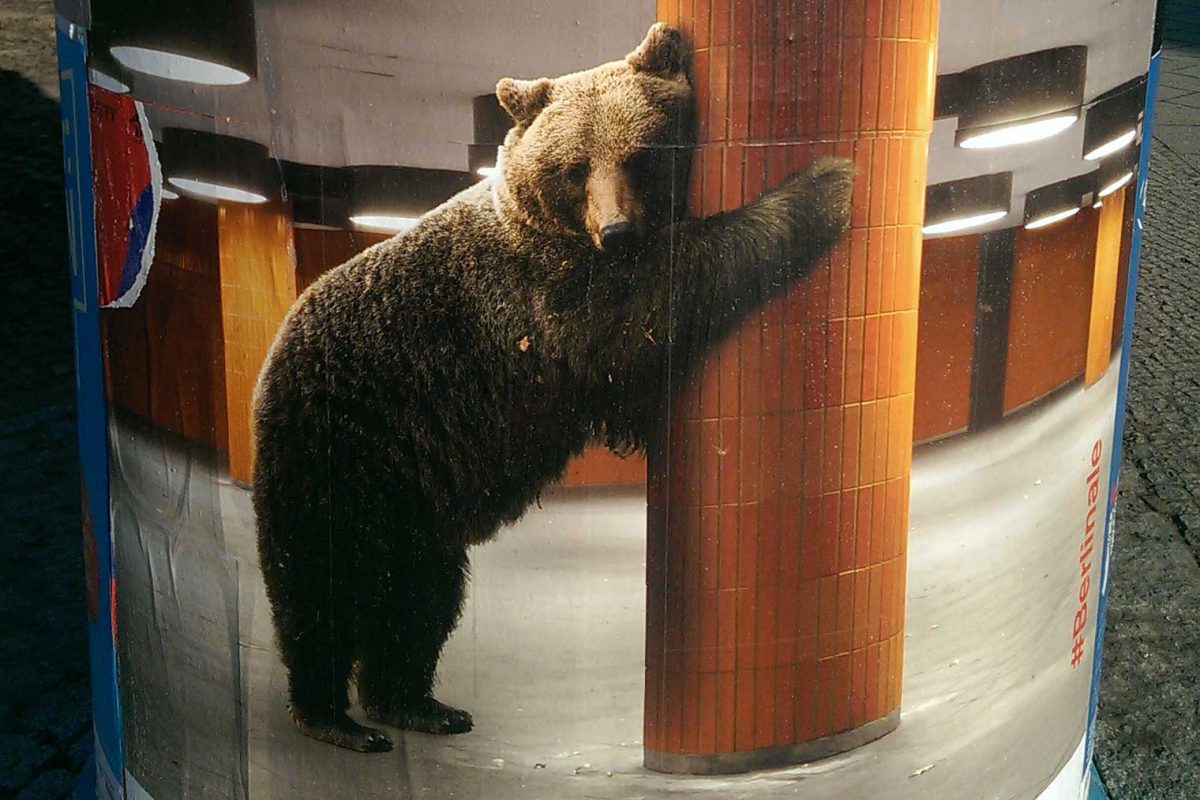
Back from Beartown

But pardon me while I geek‐out a little…

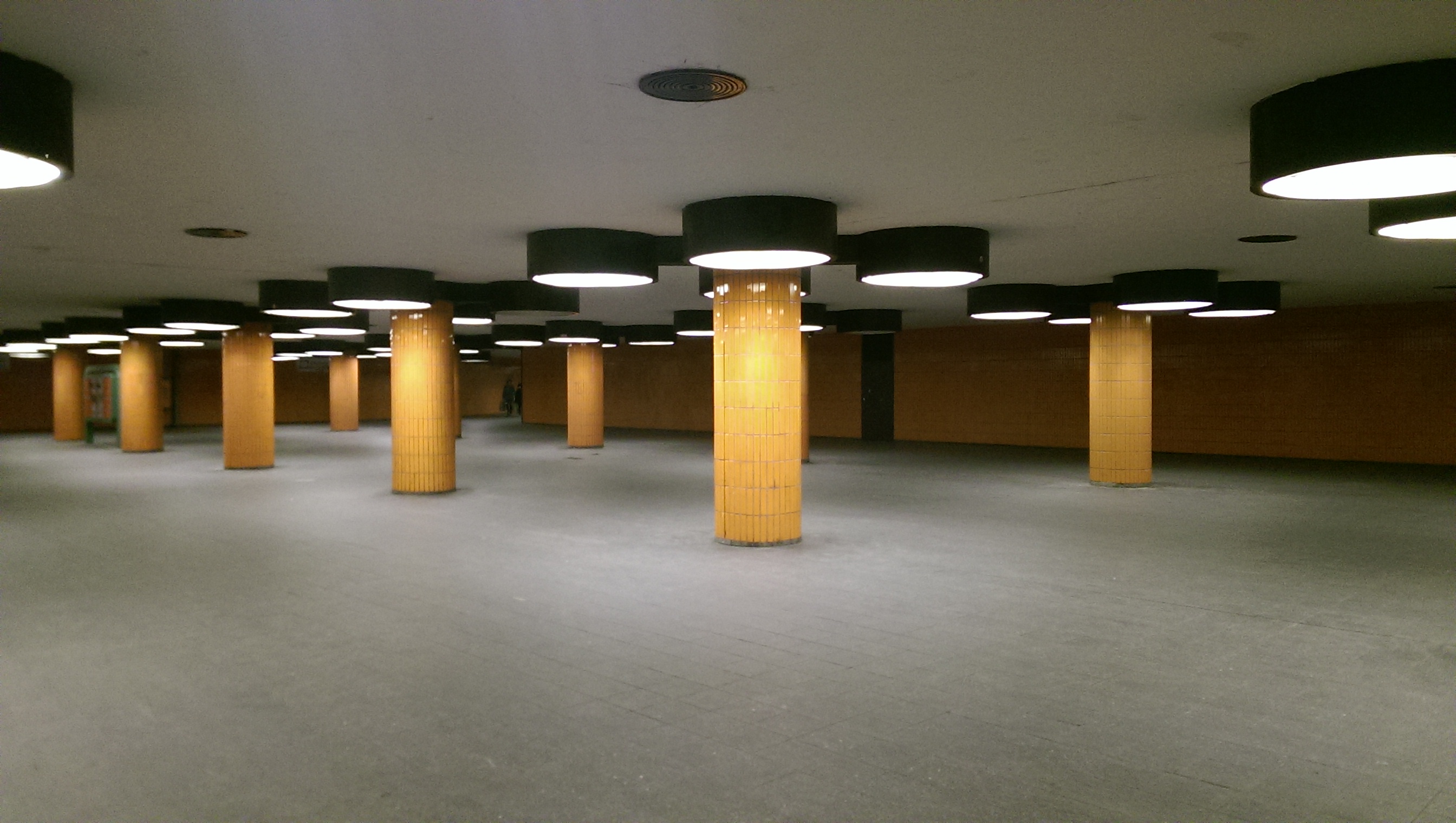
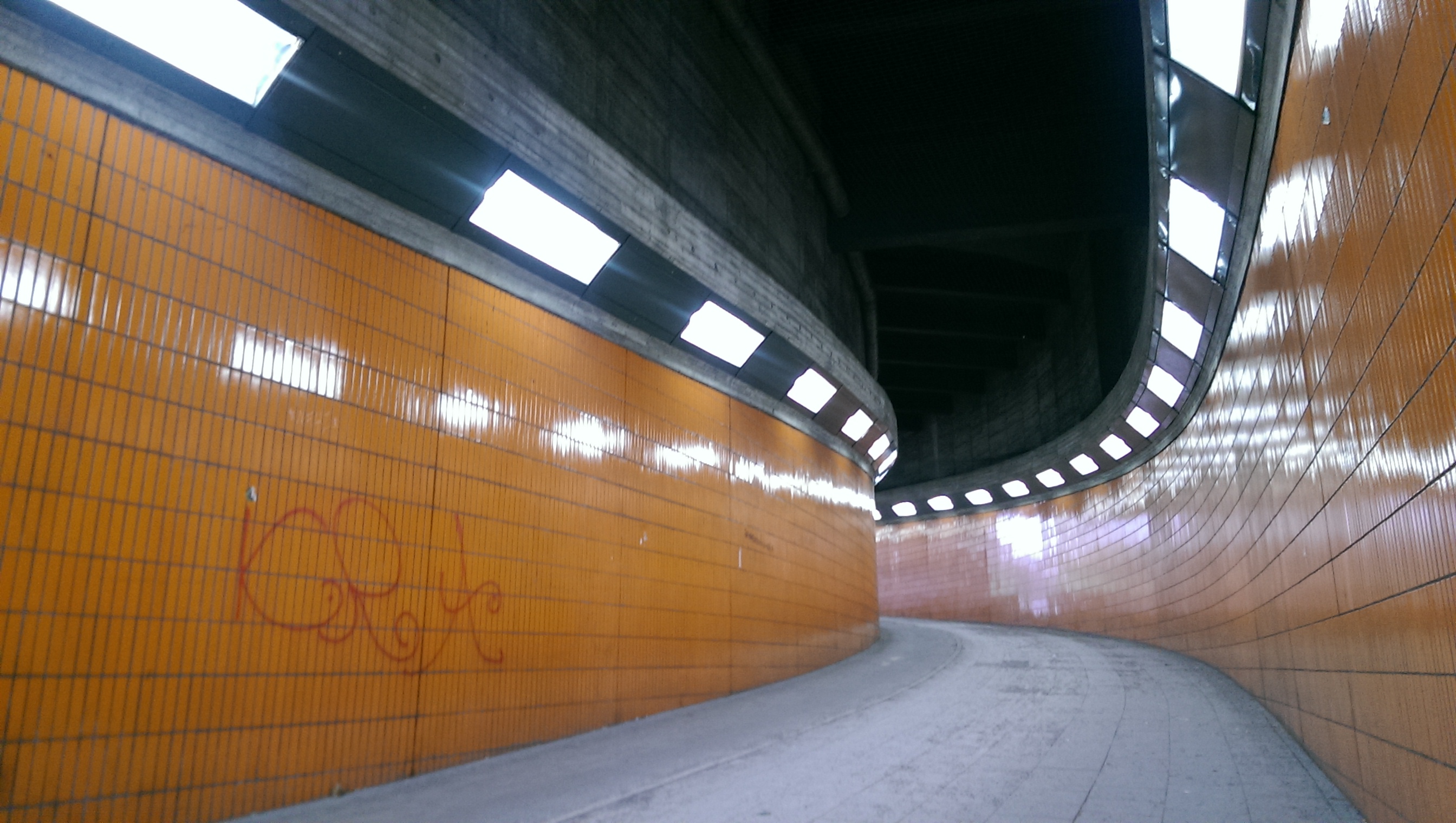
One of the things I knew I wanted to do in Berlin—along with all the things I didn’t know I wanted to do until I found myself doing them—was find a particular place I remember seeing in the movie Hanna and then walk around in its creepy orangeness. Yes—I find transportation infrastructure fascinating and, many times, beautiful. Form and function collide, and in this case, it was the heavy columns, low ceilings, and clusters of black pod lights I remember creating a suddenly empty place in busy Berlin where the baddies beat up Eric Bana.

But first I had to find the place, and all I had to go on was the sense from the movie this location was part of a subway station—a fair sense since heavy columns and low ceilings are usually holding up and underneath subways. And it turns out I was half‐right: I needed to find the Messedamm Underpass, not part of a subway station, but an underground pedestrian crossing area at Messedamm & Neue Kantstraße near the western-most point on the ringbahn—Berlin’s circular rail line—sometimes referred to as the Hundekopf due to its shape being more that of a dog’s head in profile rather than a circle. Messedamm is across town from where I’m staying, but I figure what better way to see some more of the city than to view it from an elevated train.

Turns out this rail line was also built in conjunction with a freight line, so the views I ended up seeing were mostly that of industrial parks, factories, big box stores, parking lots, other train stations, exit ramps, and rubble—all interesting in their own right, but made all the more dreary in the unwavering greyness of the what I’m told is the standard Berlin winter: perceptual overcast. I didn’t see the sun for a week and a half, and all the snow I ever saw fit into a single photograph.

However, back on the Dog’s Head, I reach my station, Westkreuz, leave the train, start walking vaguely in the direction I think I’m supposed to be going in, and then find a hint I’m getting closer, despite still not knowing exactly how to find what I’m looking for.

Just follow the orange tiles…

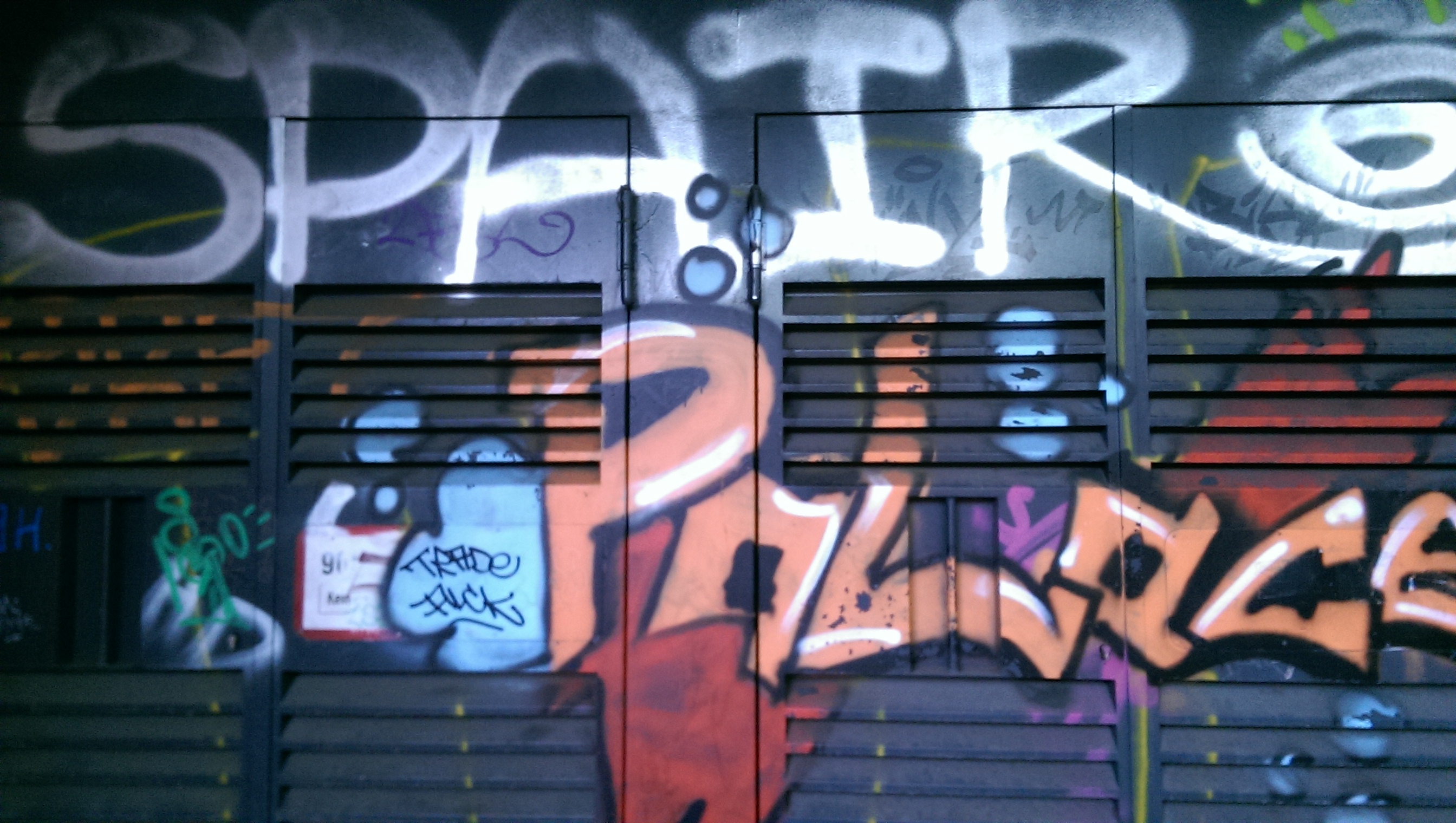
…and the colour‐coordinated graffiti. I also love graffiti.

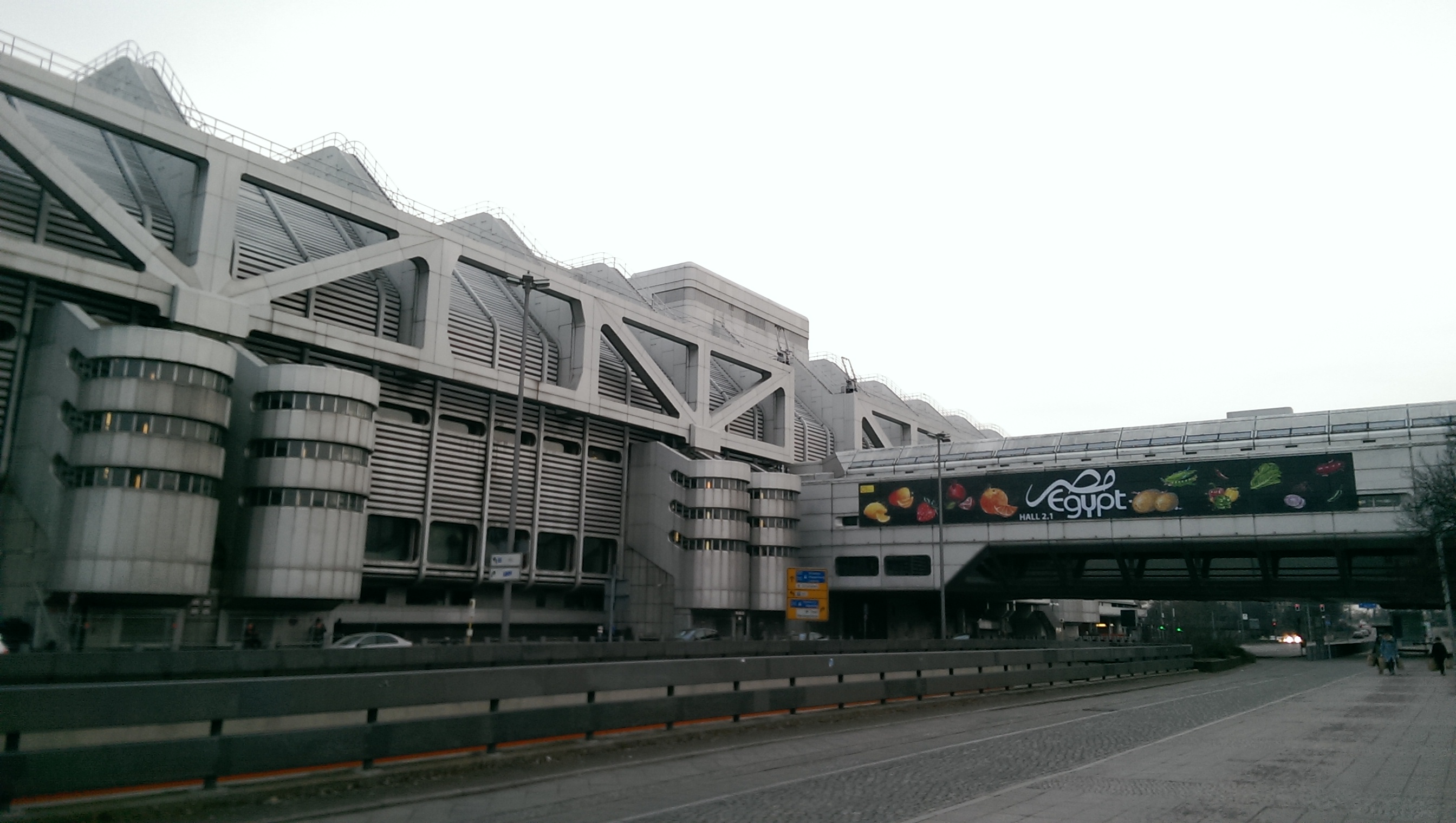
I’m suddenly perplexed when the tunnel I’m in immediately heads up and I’m behind this subtle building, the Internationales Congress Centrum Berlin, one of the largest convention centres in the world, built in 1979, and currently closed while undergoing asbestos removal.

But—I see a flash of orange tile by a set of descending stairs, and as I walk down them, as I walk by the skaters whose wheels are echoing off the walls in a perfectly eerie way, just like in the movie, just before Bana realizes he’s had it, the sound of the city fades, and I find myself in the middle of the silence of the underpass on a grey Saturday afternoon.

I am happy in this moment.

In my next post it will be back to Iceland, back to where my trip starts, but for now it will be back to work for me starting tomorrow. And it might be, if all goes well, one of my last days as a pack leader. A new position where I work was created while I was away—I applied for it today.

If I get it I’ll be managing the inventory of the entire warehouse as well as all the pack teams rather than just my own. I’ll be working to solve the problems I run into regularly in my current job so they won’t be problems later. It’s my favourite kind of work—making the future better.

And I am happy in this moment.

Reflex

I’ve made a book!

Resolutions came up as 2015 rolled to a close, and I decided to make mine simple: publish a photobook in 2016. See? Simple!

Then 2016 happened, and much like the year itself, things got started, and then they all sort of went sideways, then backwards, and then I gave up a little, things restarted, things moved, but then I gave up a little more, and then I forgot about the entire thing until a week before the end of the year.

I’d like to say I got the book out the door on December 31st—11th hour, down to the wire, Hollywood, fourth cliché—I didn’t. I published it January 4th. But the important thing is—I did it!

It’s an ebook, and you can read a little about it by clicking here and you can preview and buy a copy of it by clicking here.

Tweetstagrams

Time to expand.

I’m hooking my blog up to Instagram and Twitter accounts so I can still get my digital media fix—forgetting I didn’t like who I had been working for before, I do enjoy the work. And now I’m working for me!

I’ve got my laptop working again, and the parts to repair my external hard drive are ordered and on there way. I’ve found and hooked up my scanner—time to get some work done.

And it’s actually time to do some work. I’m sitting on one of the loading docks at work posting from my phone again before the night starts. But before I go, the links…

Twitter—tachyonandon
Instagram—tachyonandon

Enjoy.

Departures: Part III

Welcome to the city.

It’s been a month since moving—and I’m having trouble wrapping my head around everything I did leading up to and since. There was an abruptness to it all, like a well‐choreographed tactical strike. Or a daring escape.

It brings me to my last and final Departures post—fitting as I’ve got one last move to complete this weekend before I’m truly finished. The room in my house at the end of the universe has been in the basement, but starting next month I’m getting a loft room in the attic. I’ll have a proper place to write and to work on my other projects, and there is an air conditioner. I’m excited!

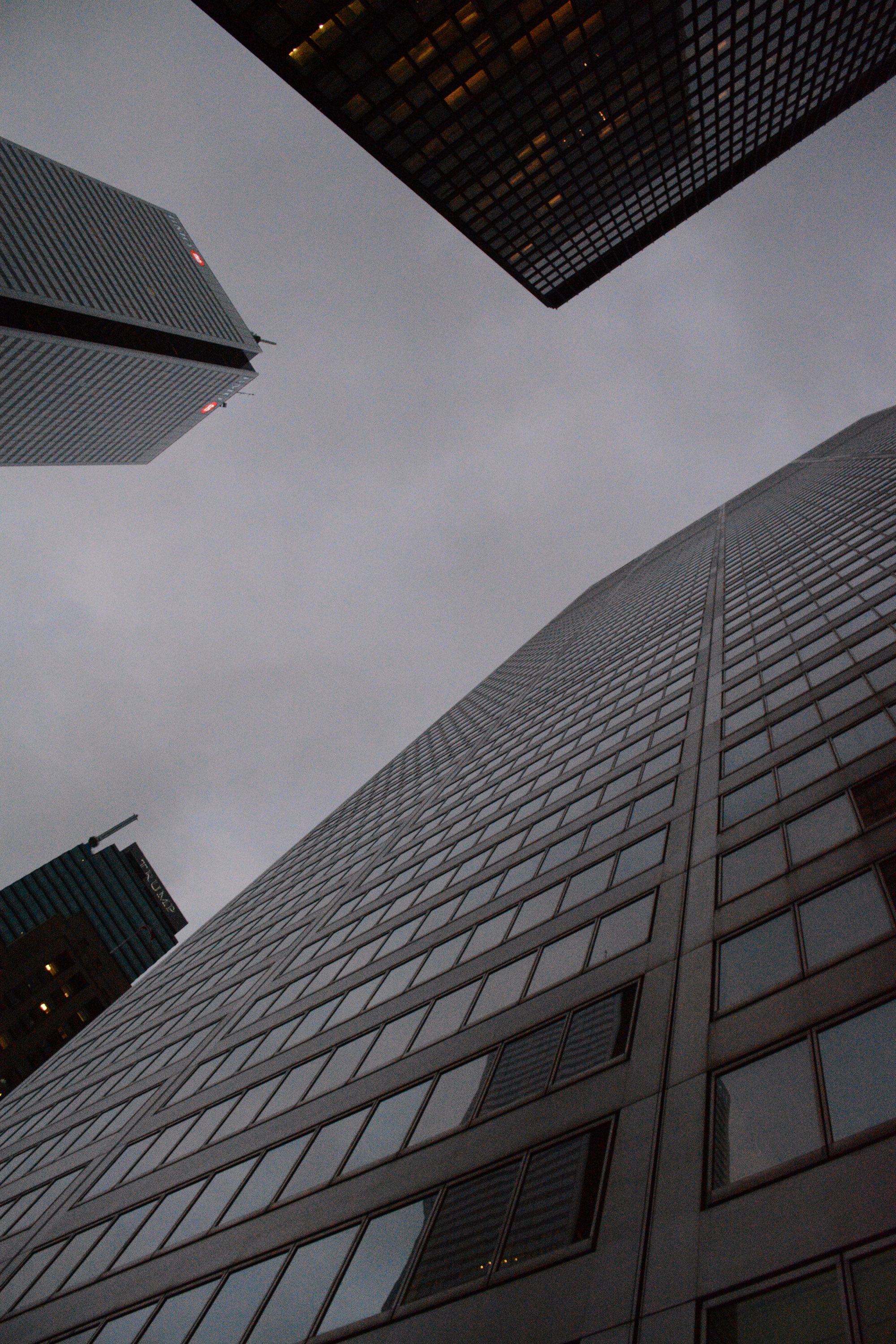
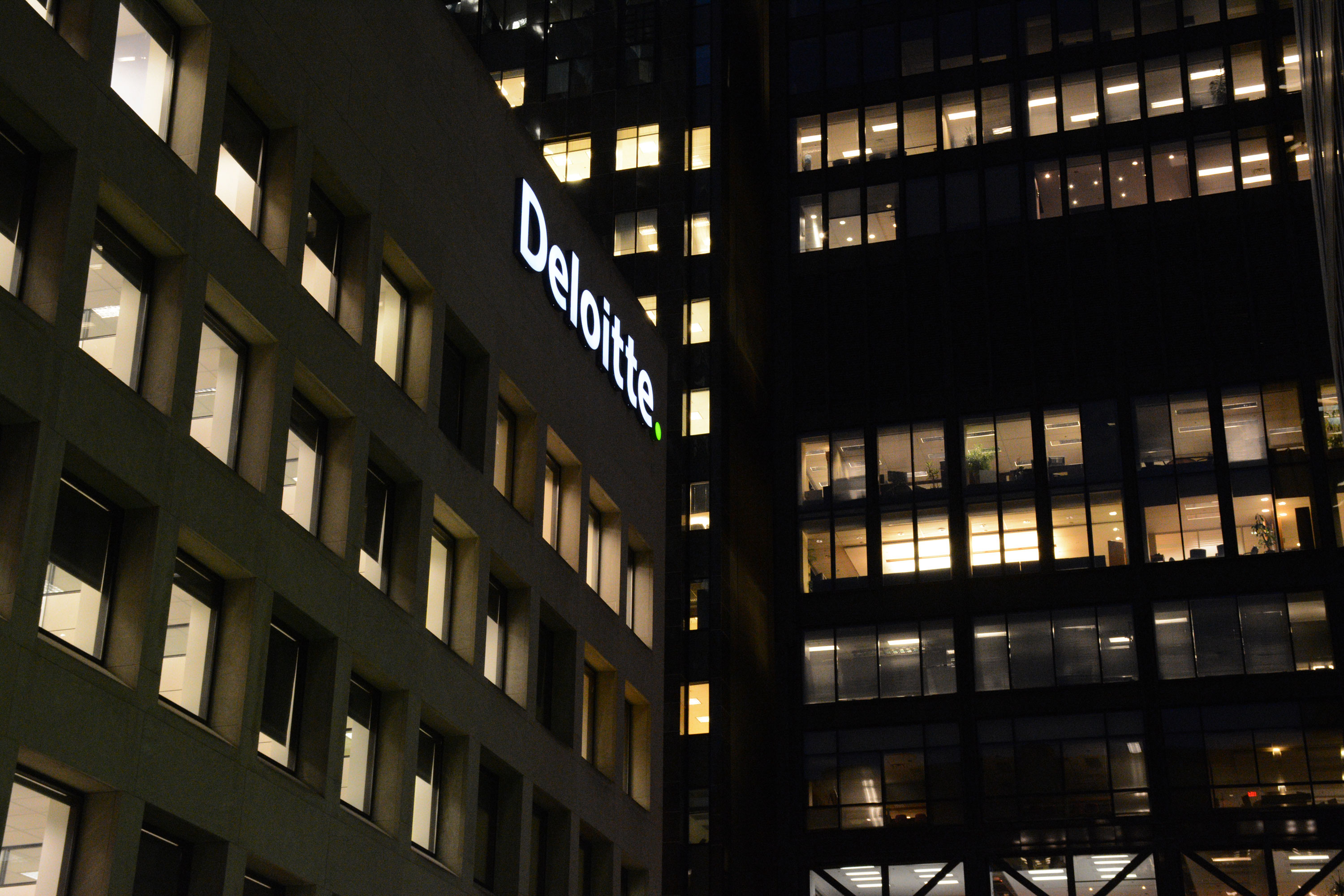
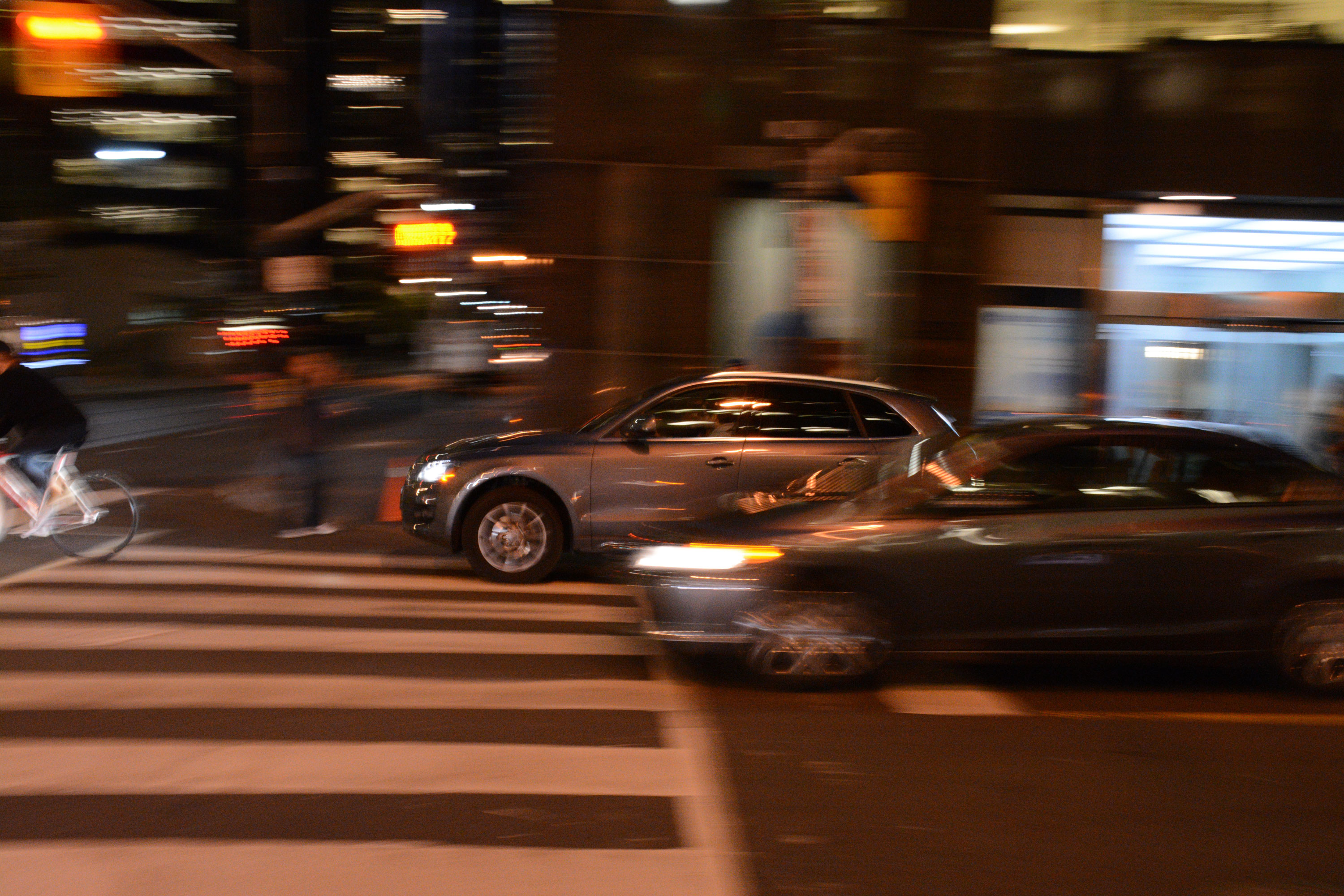
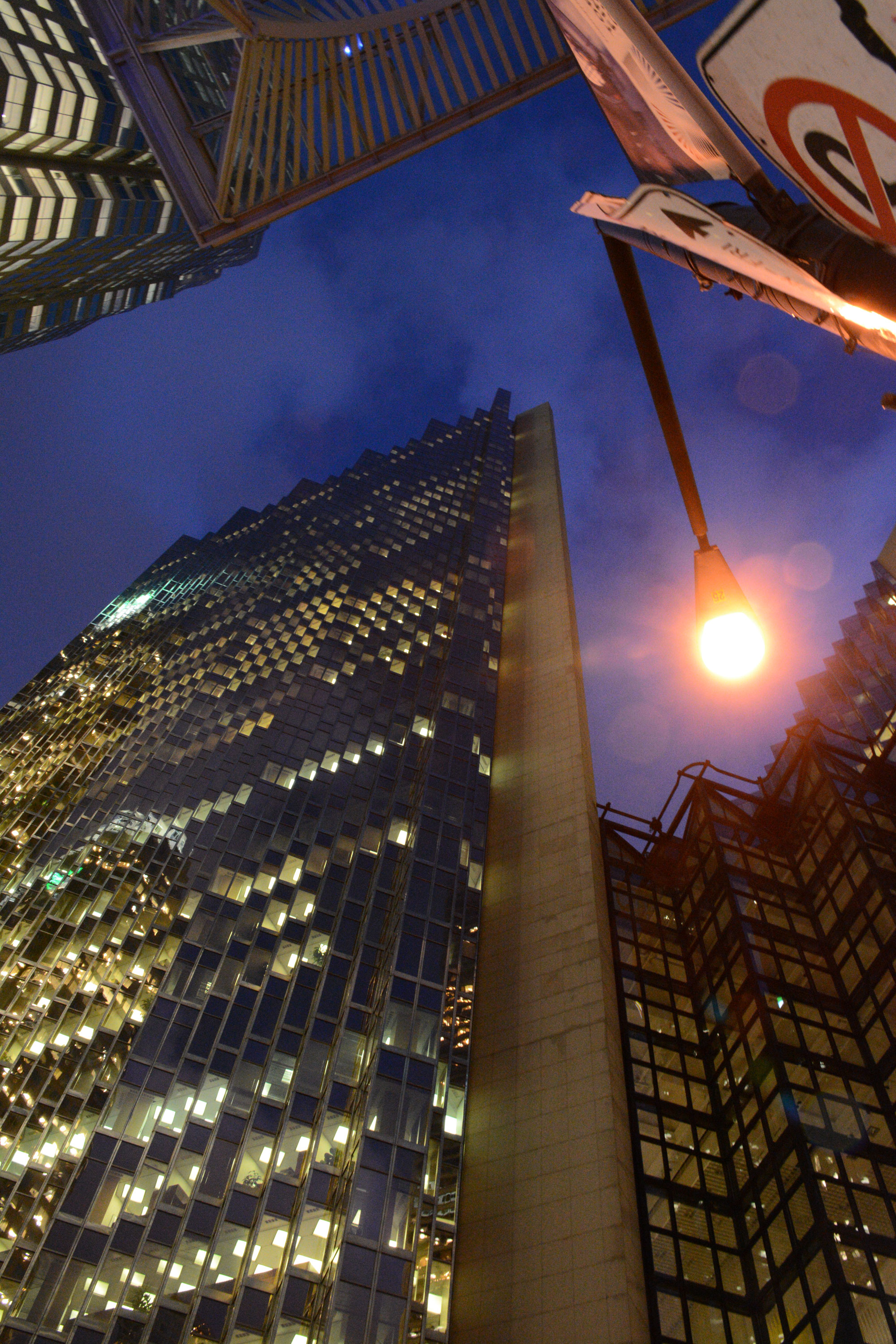
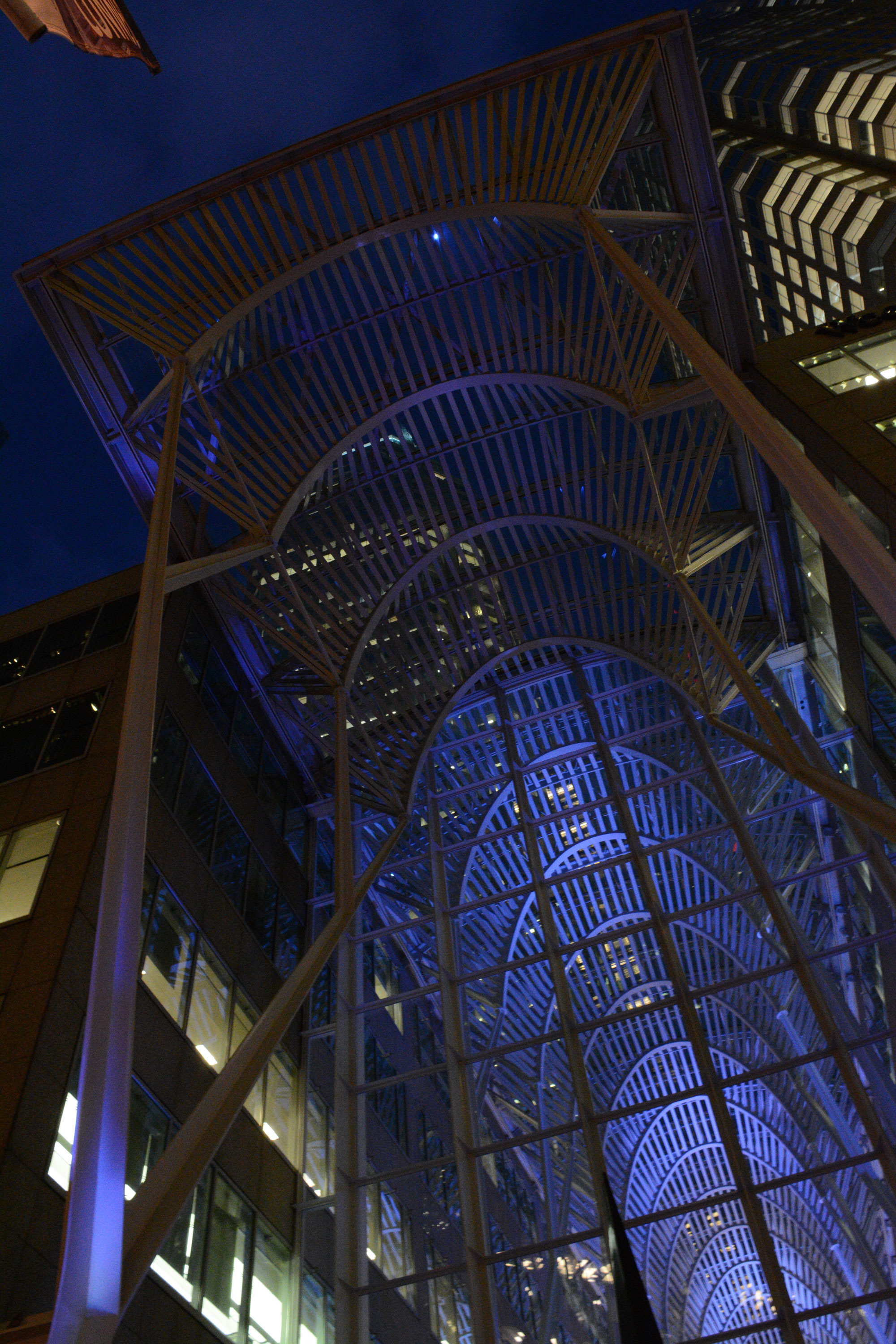
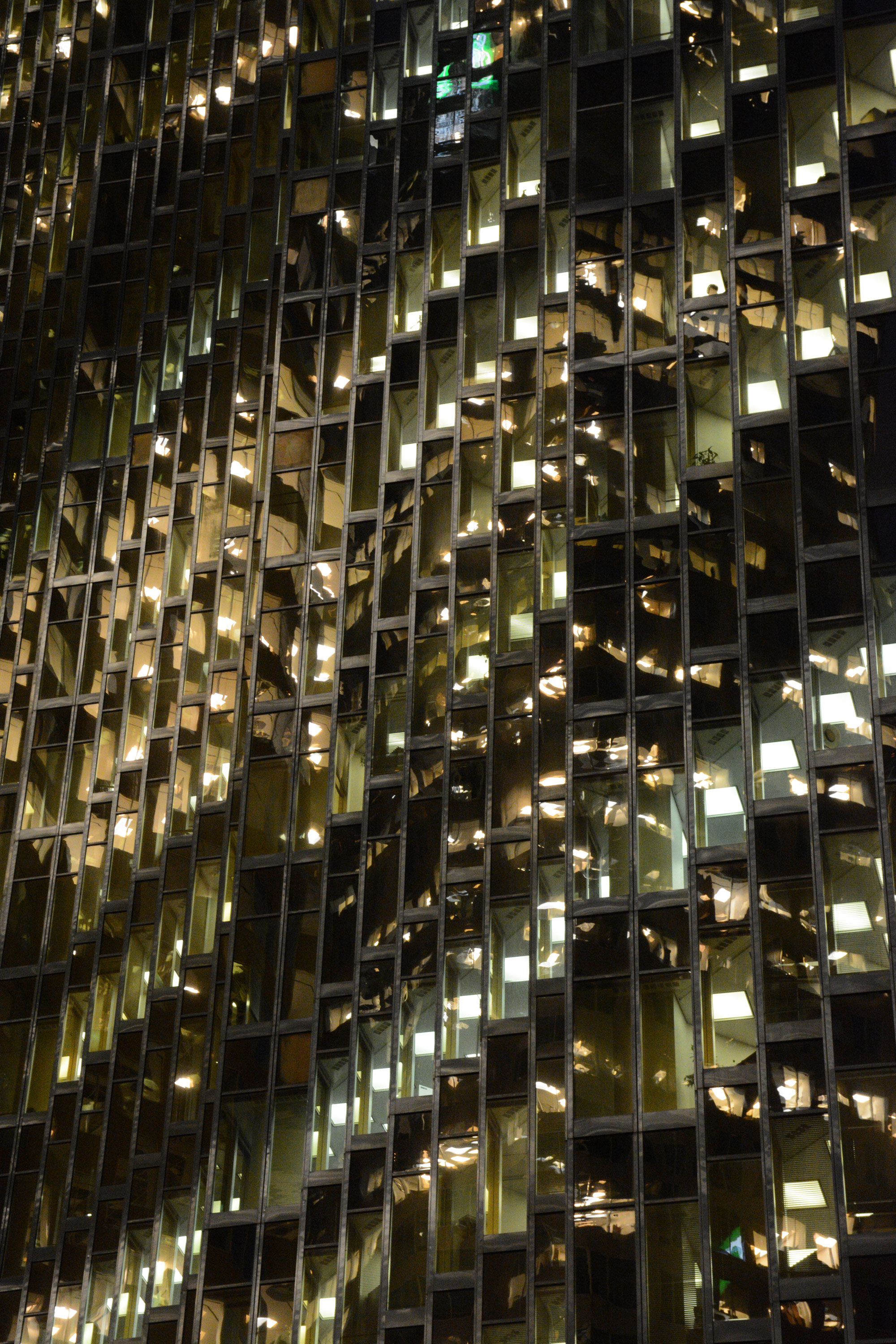
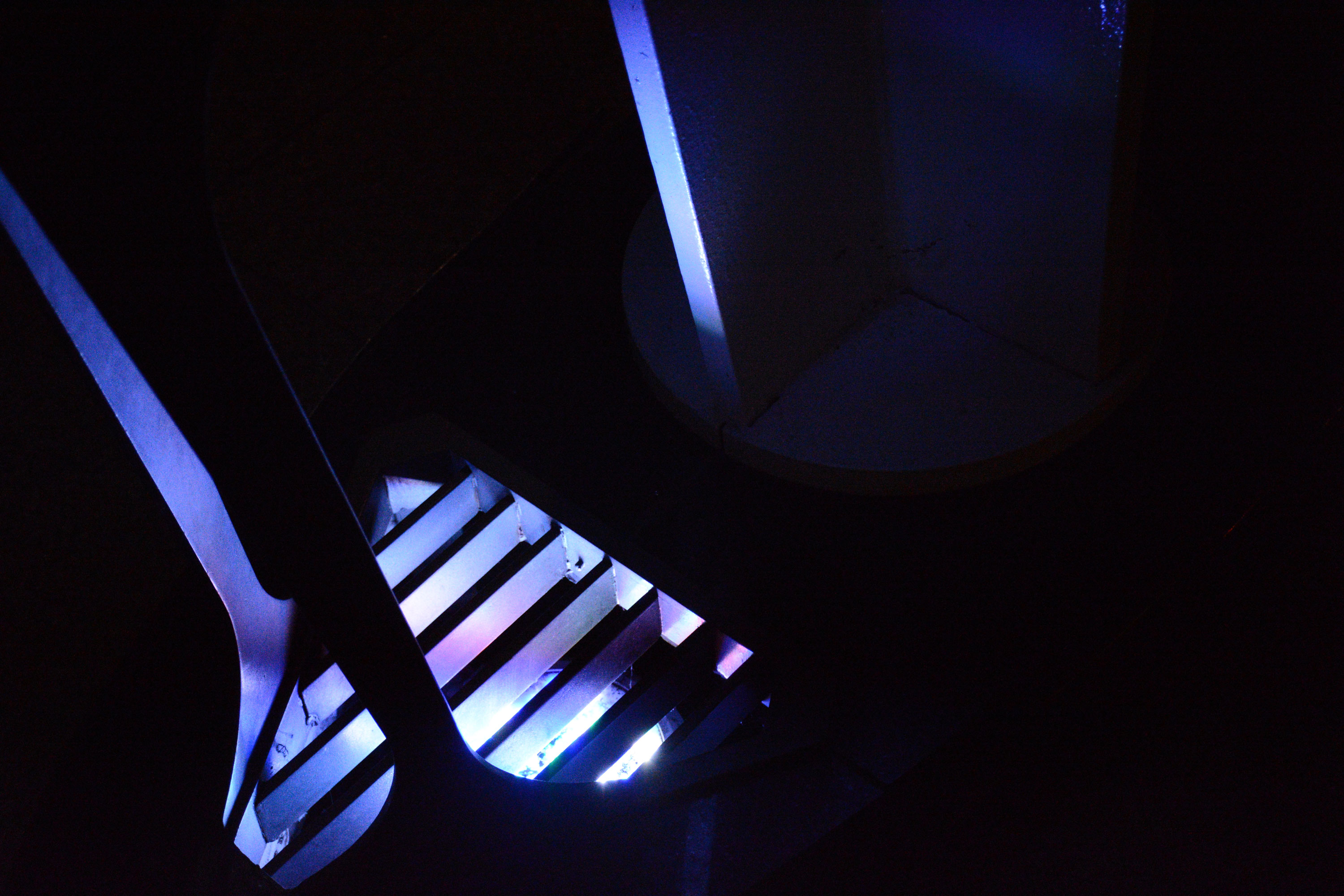
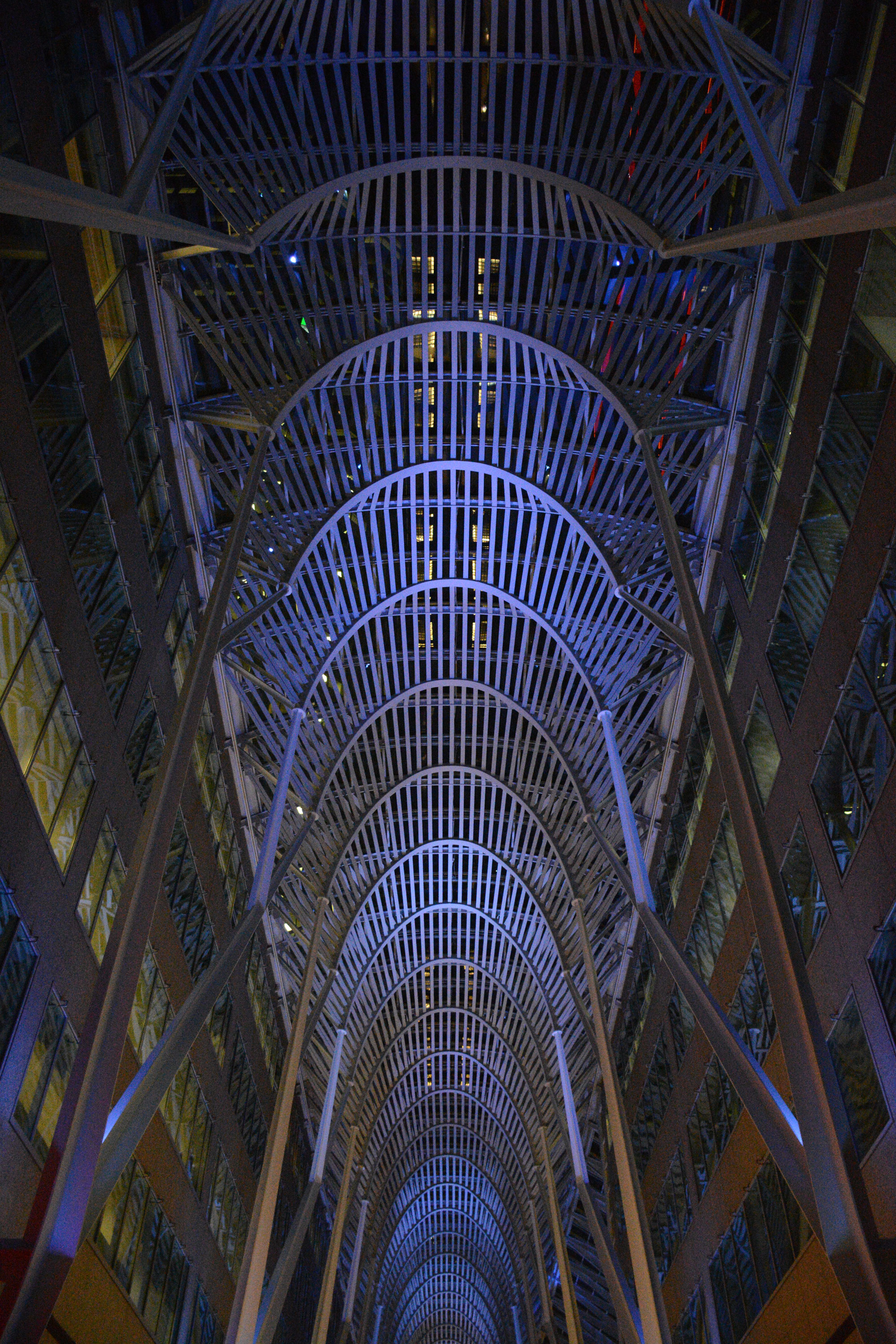
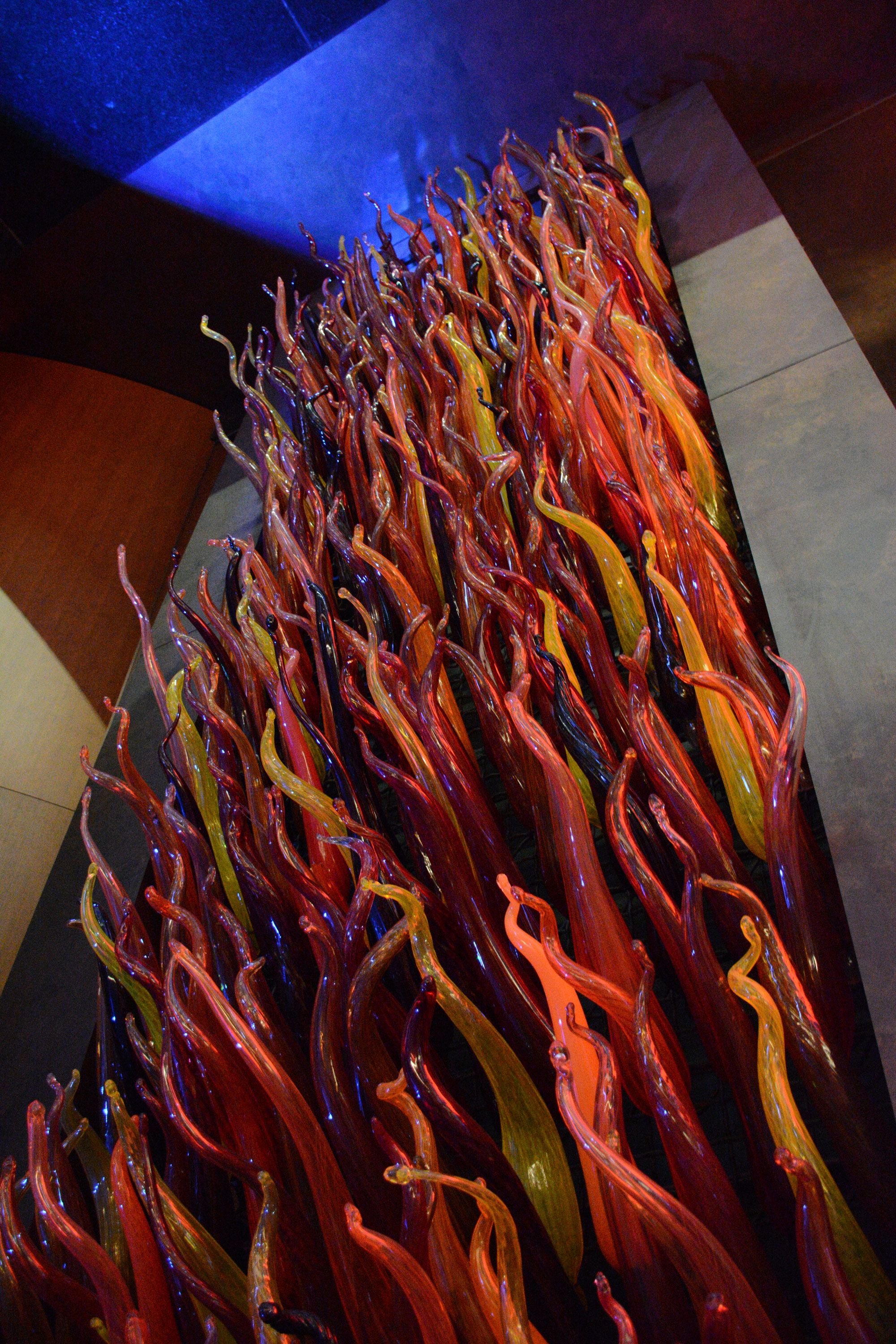
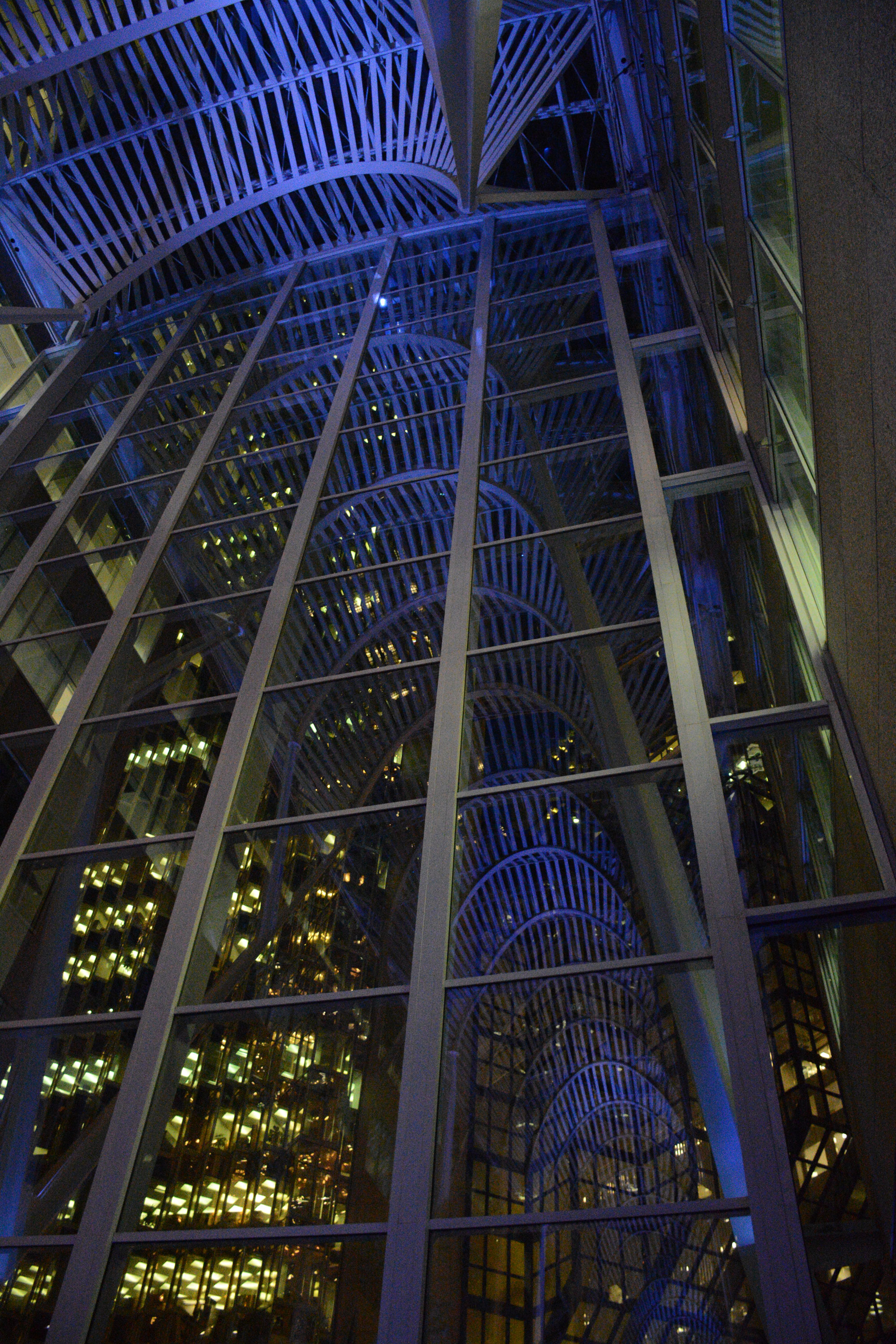
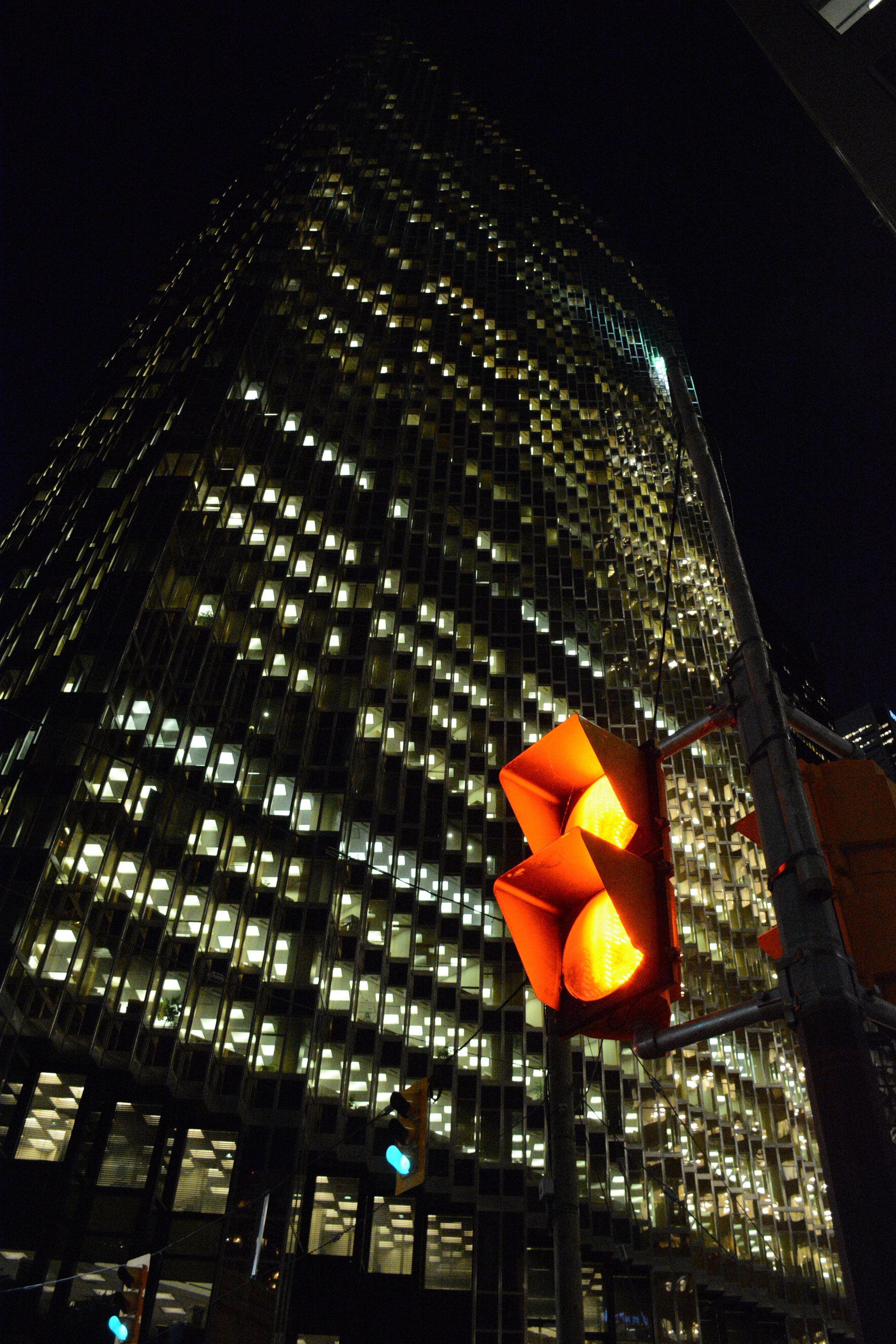
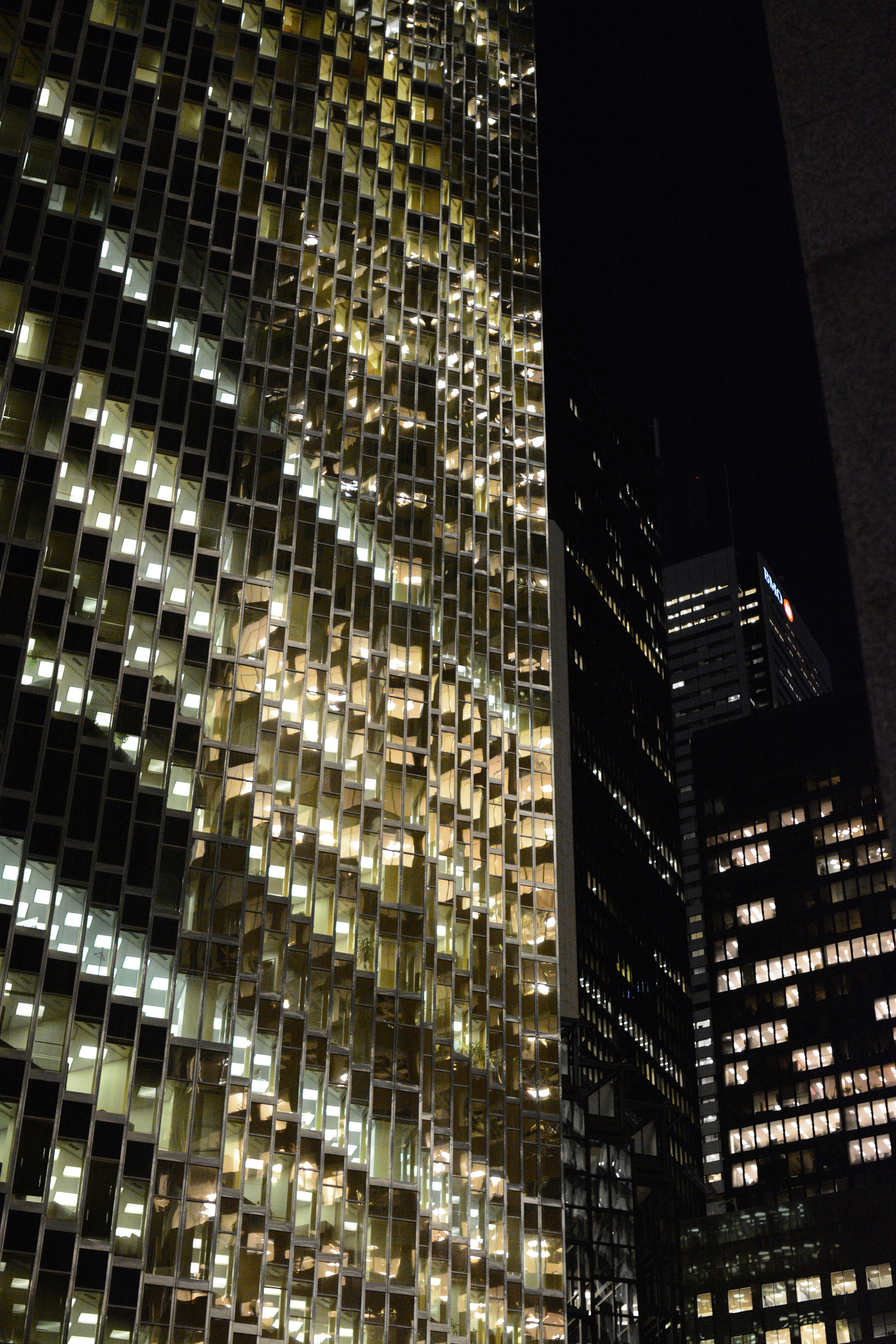
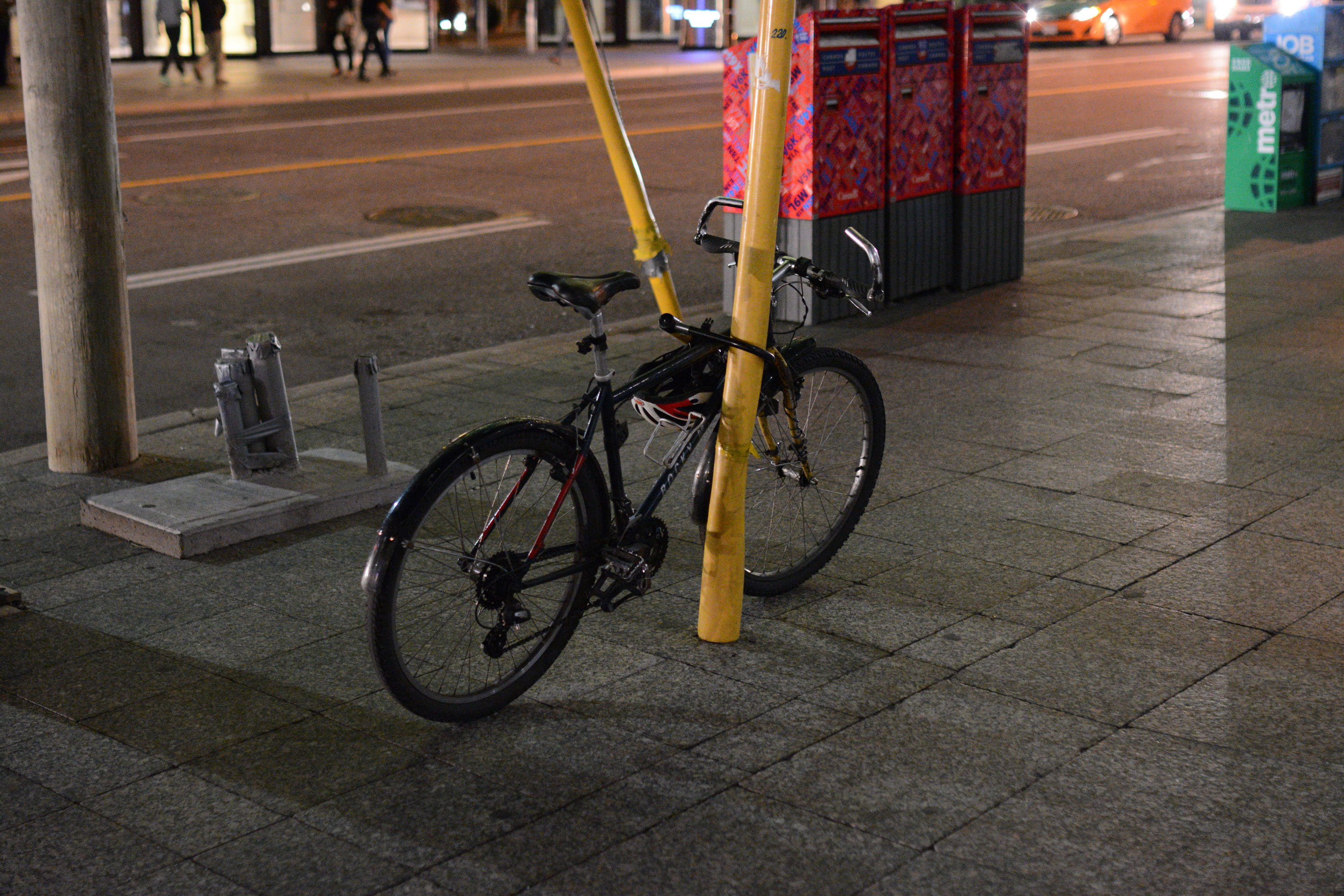
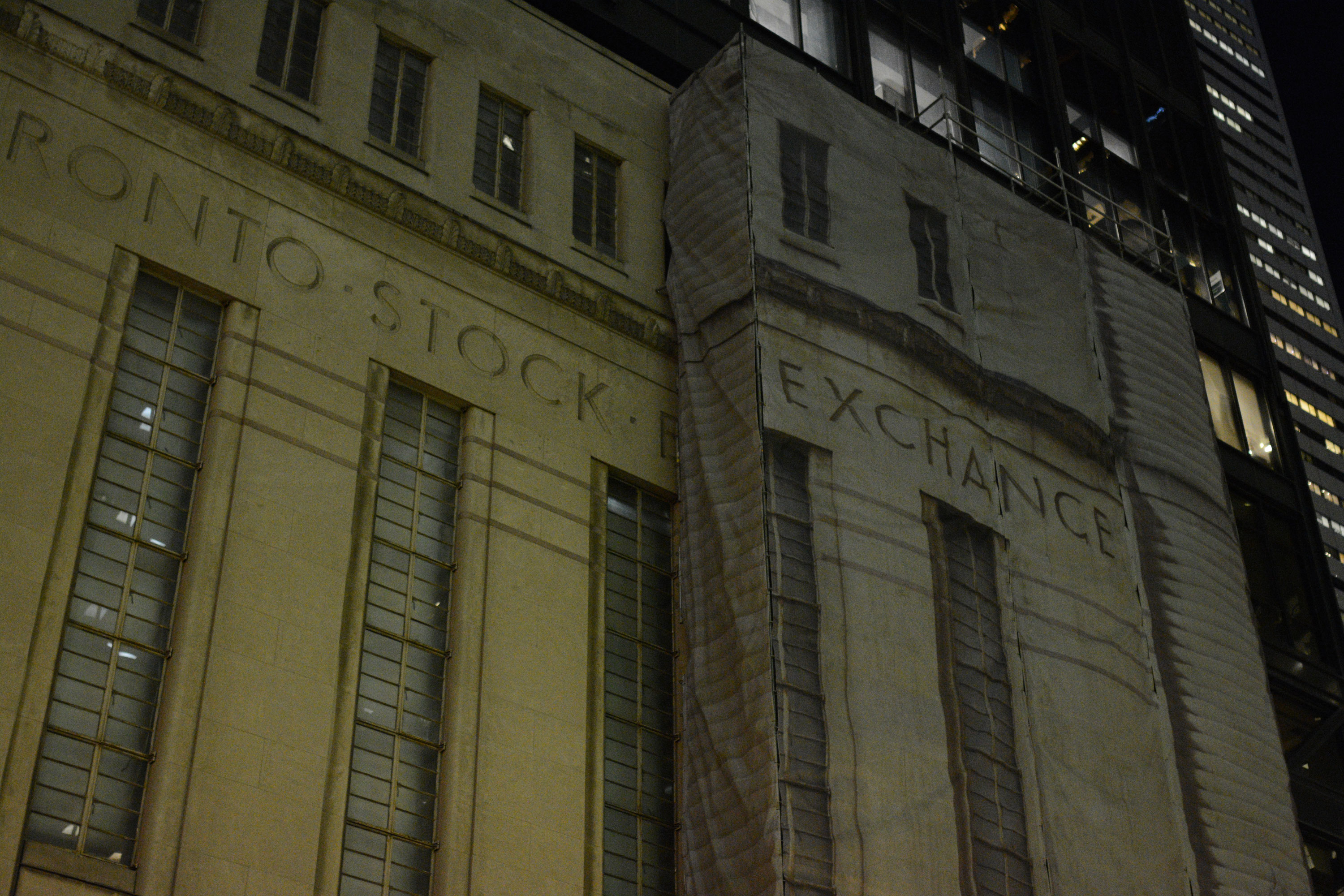
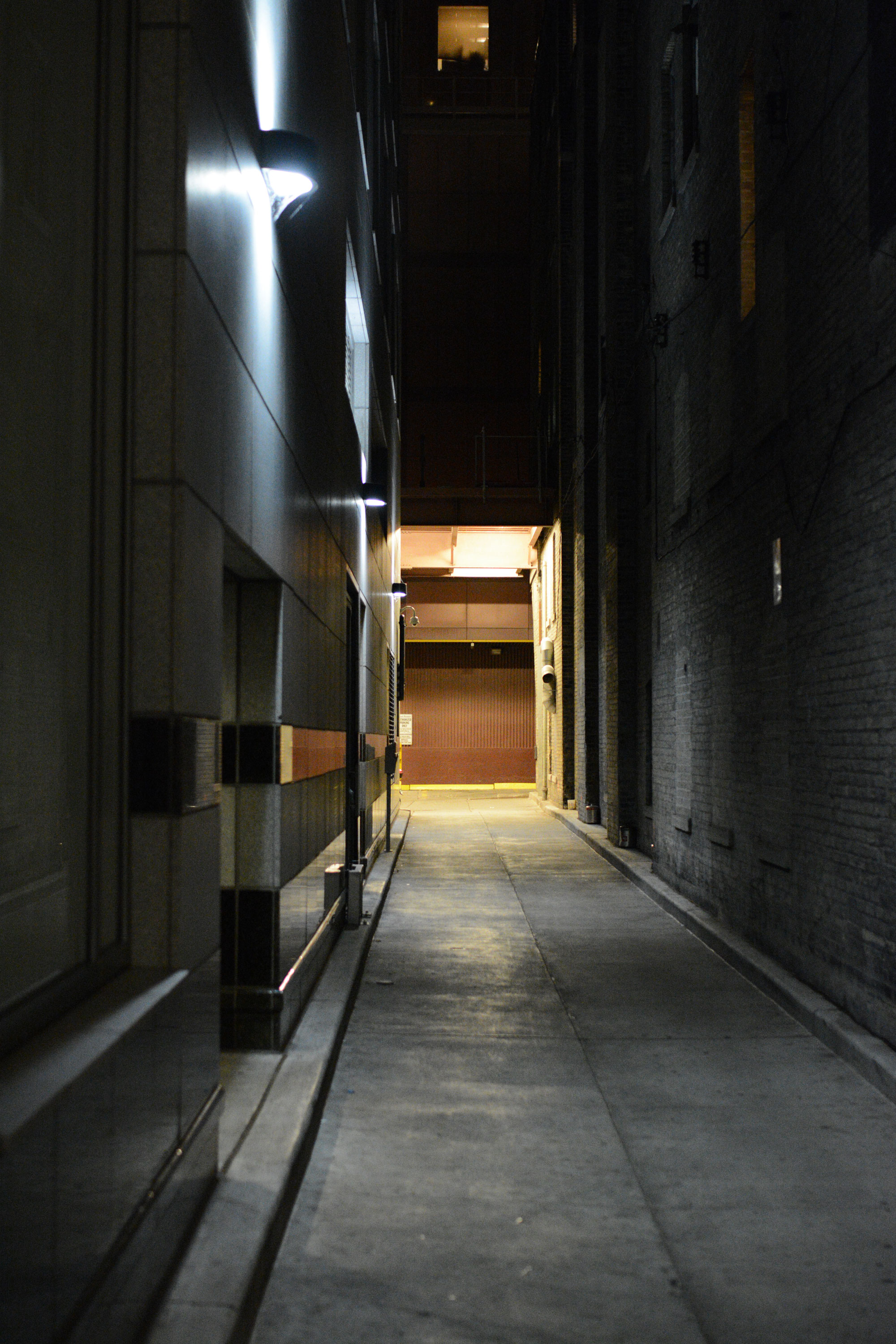
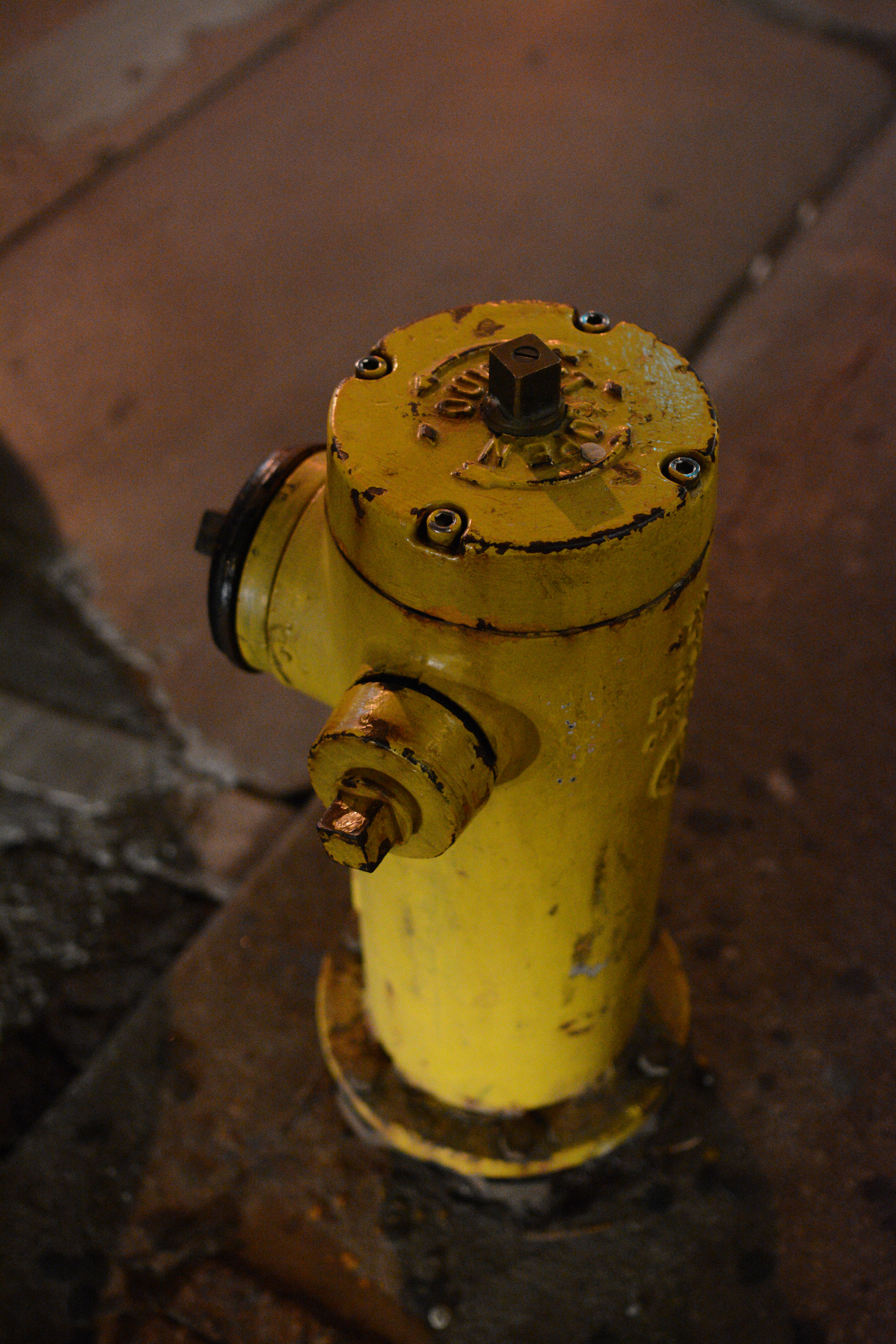
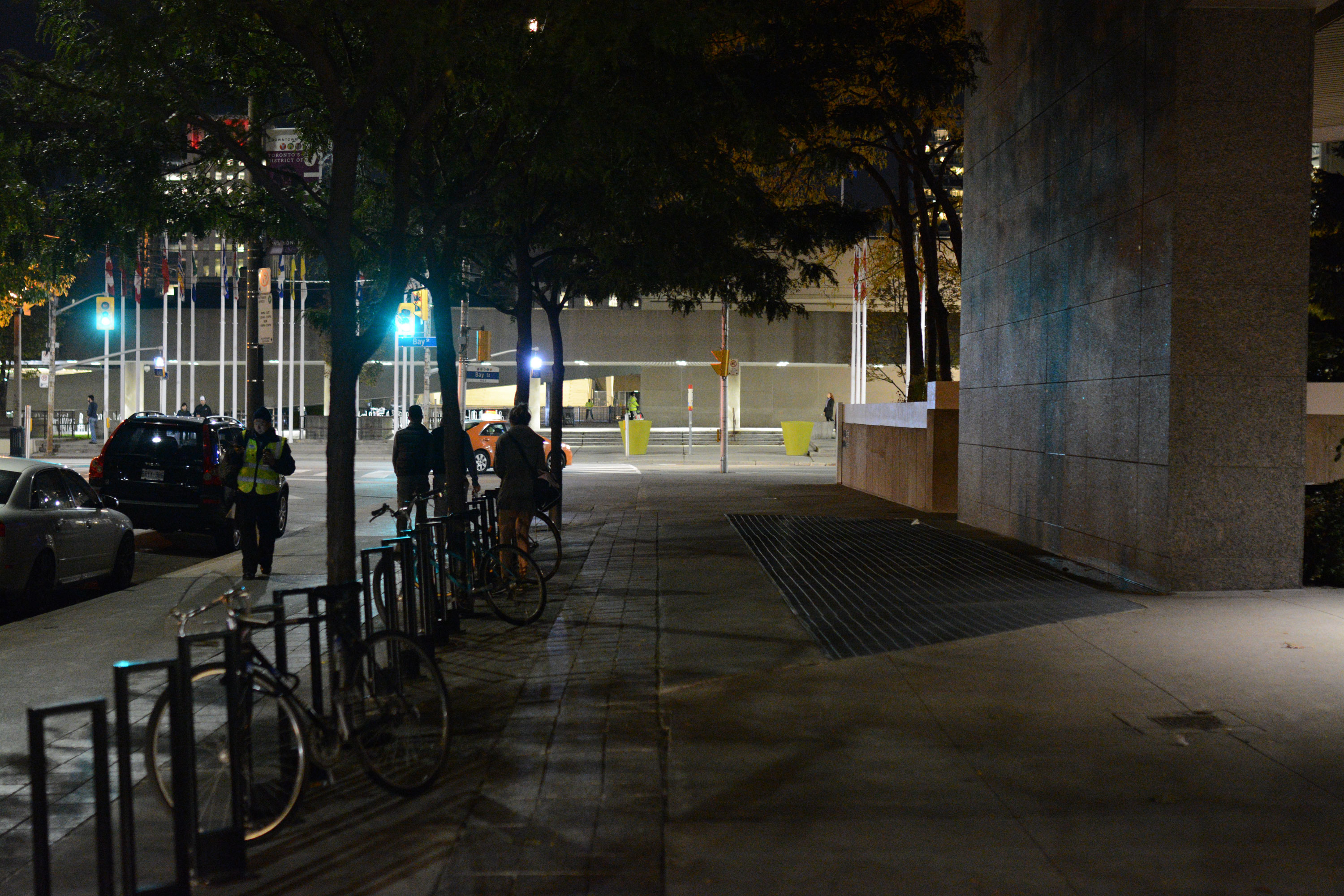
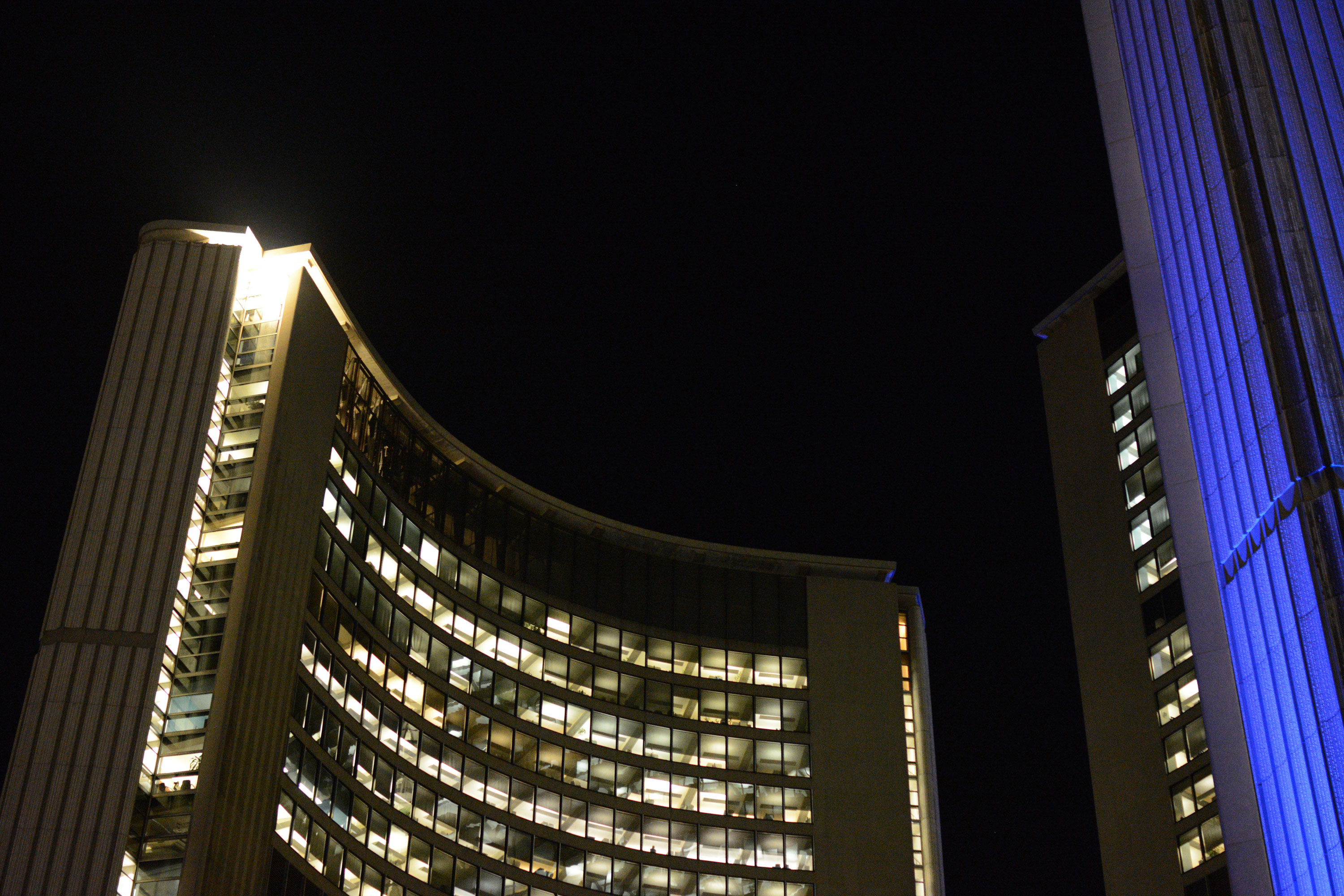
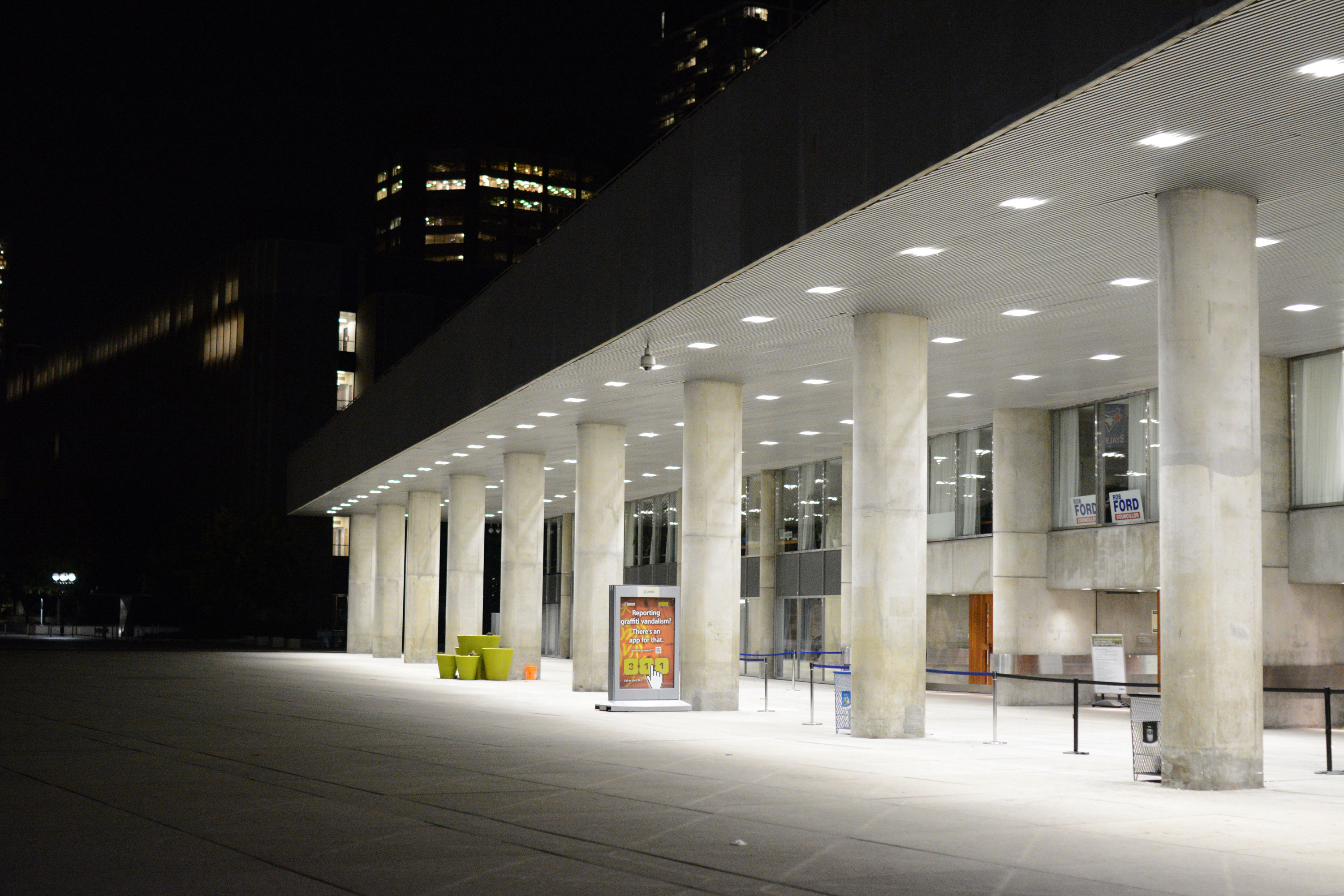
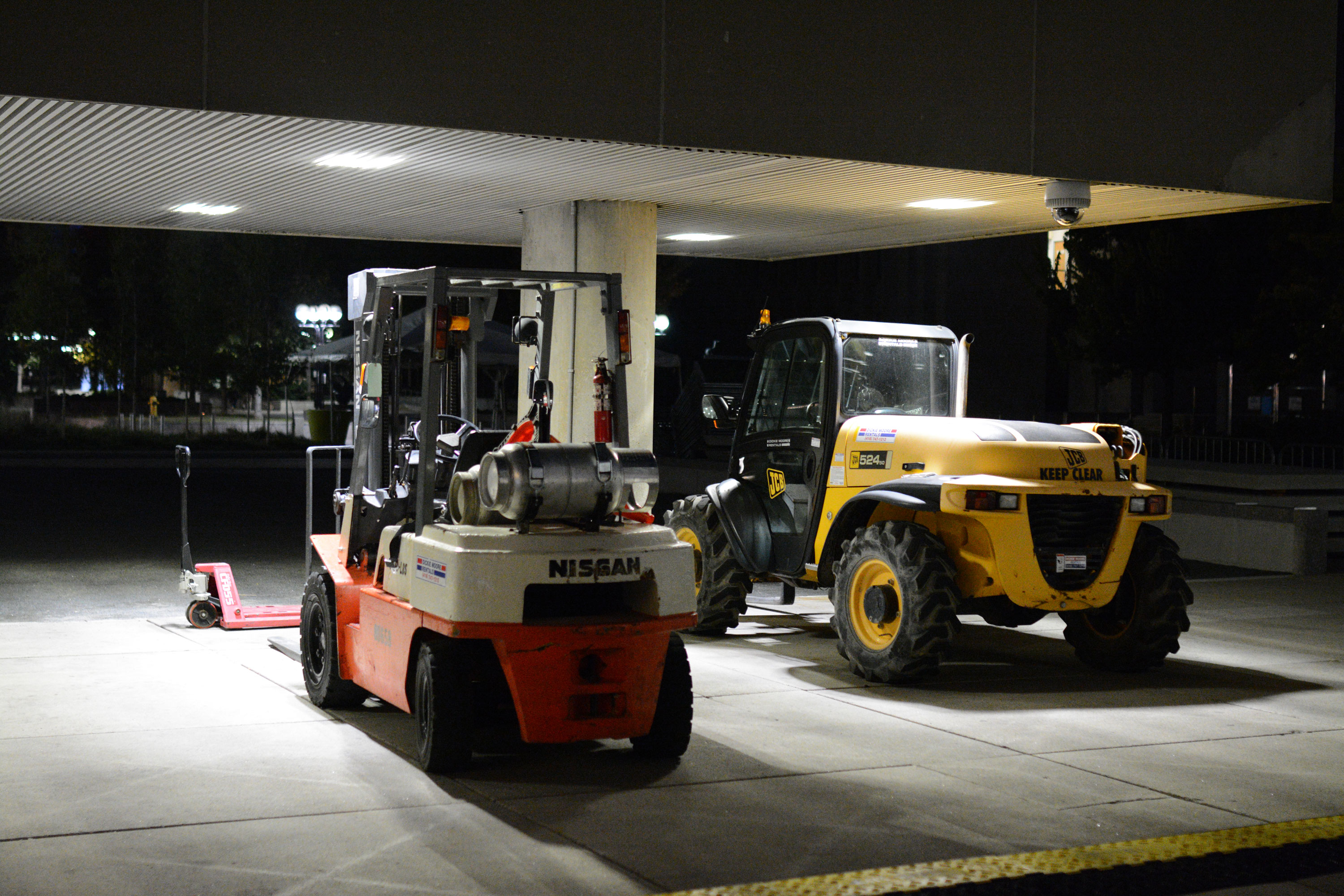
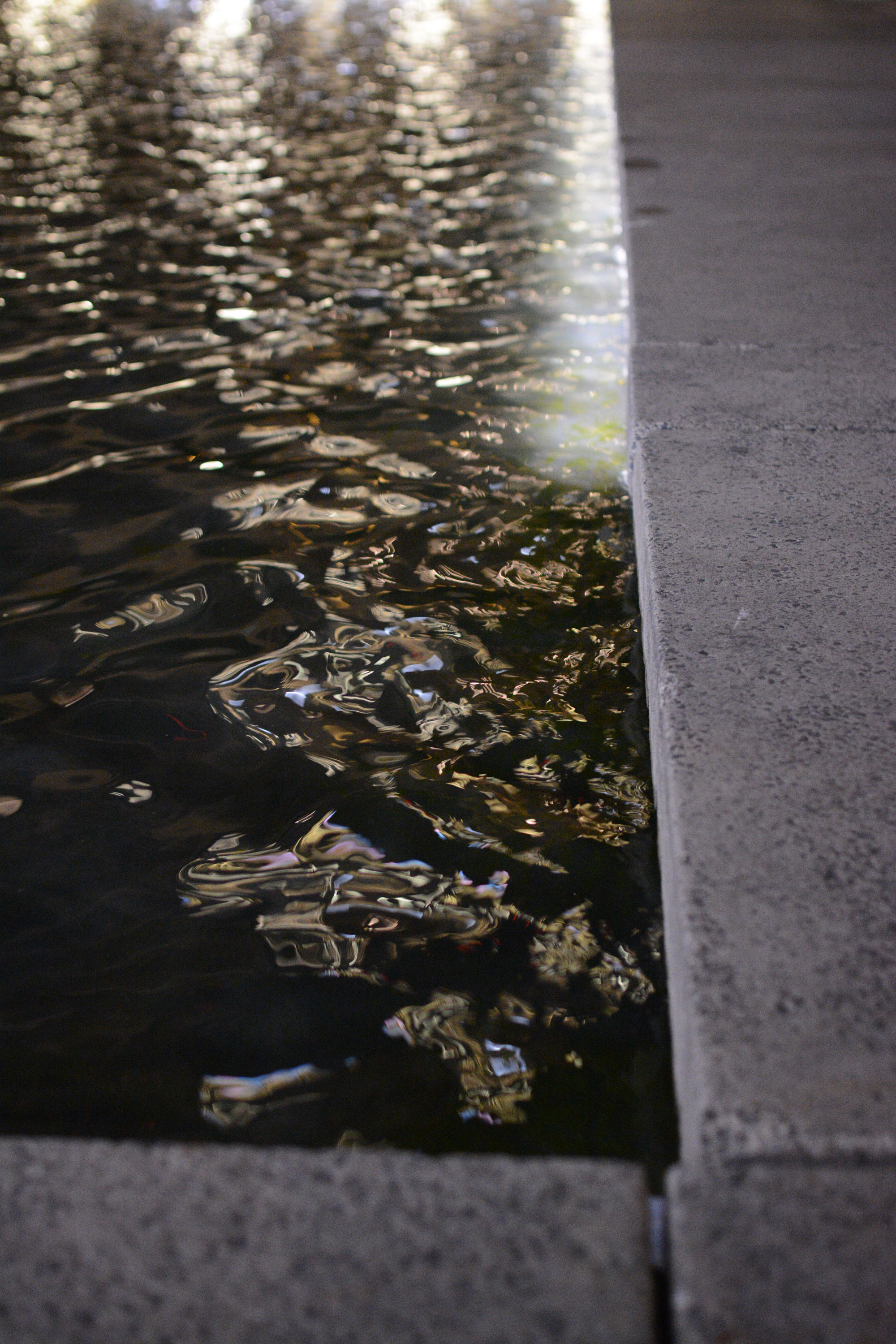
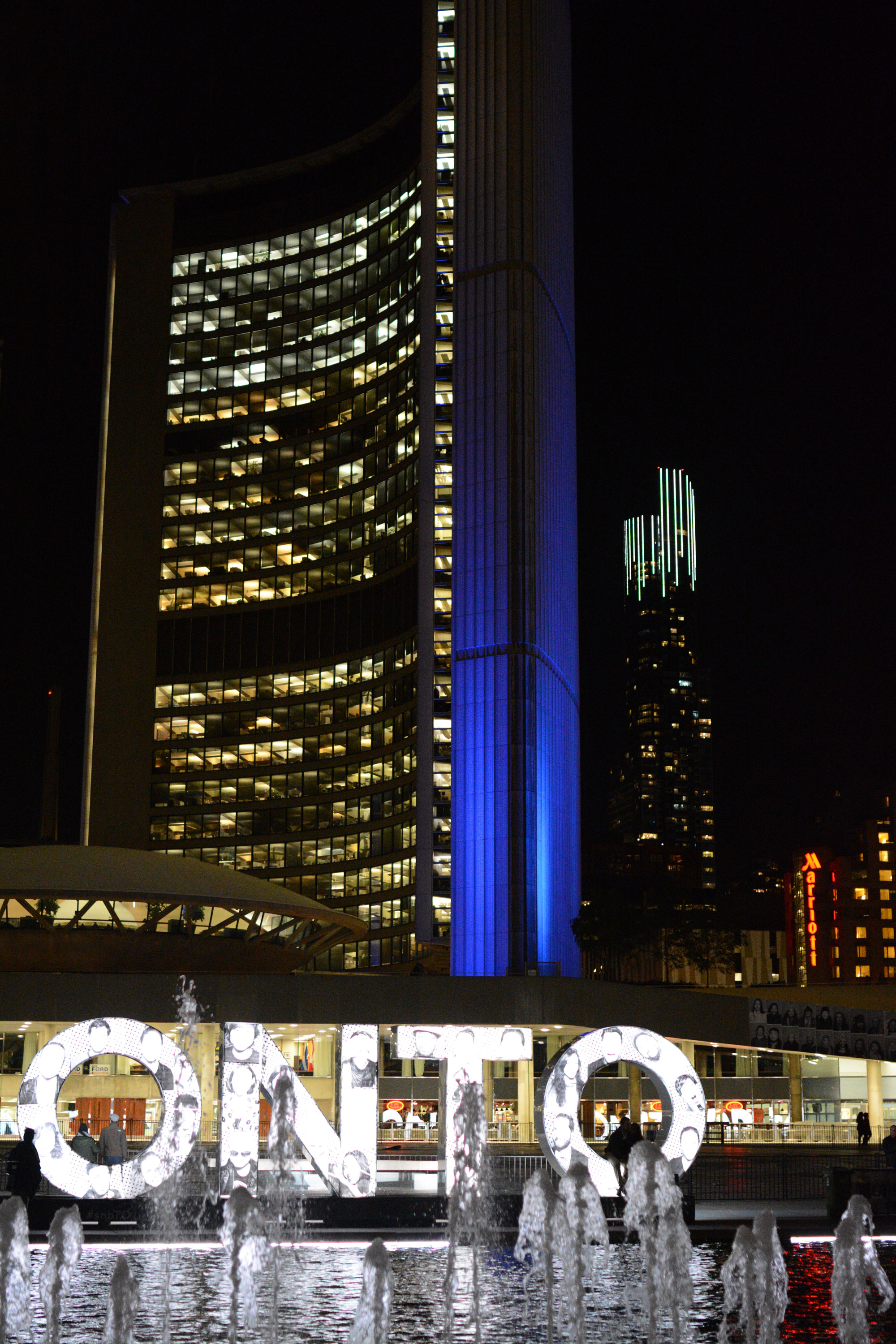
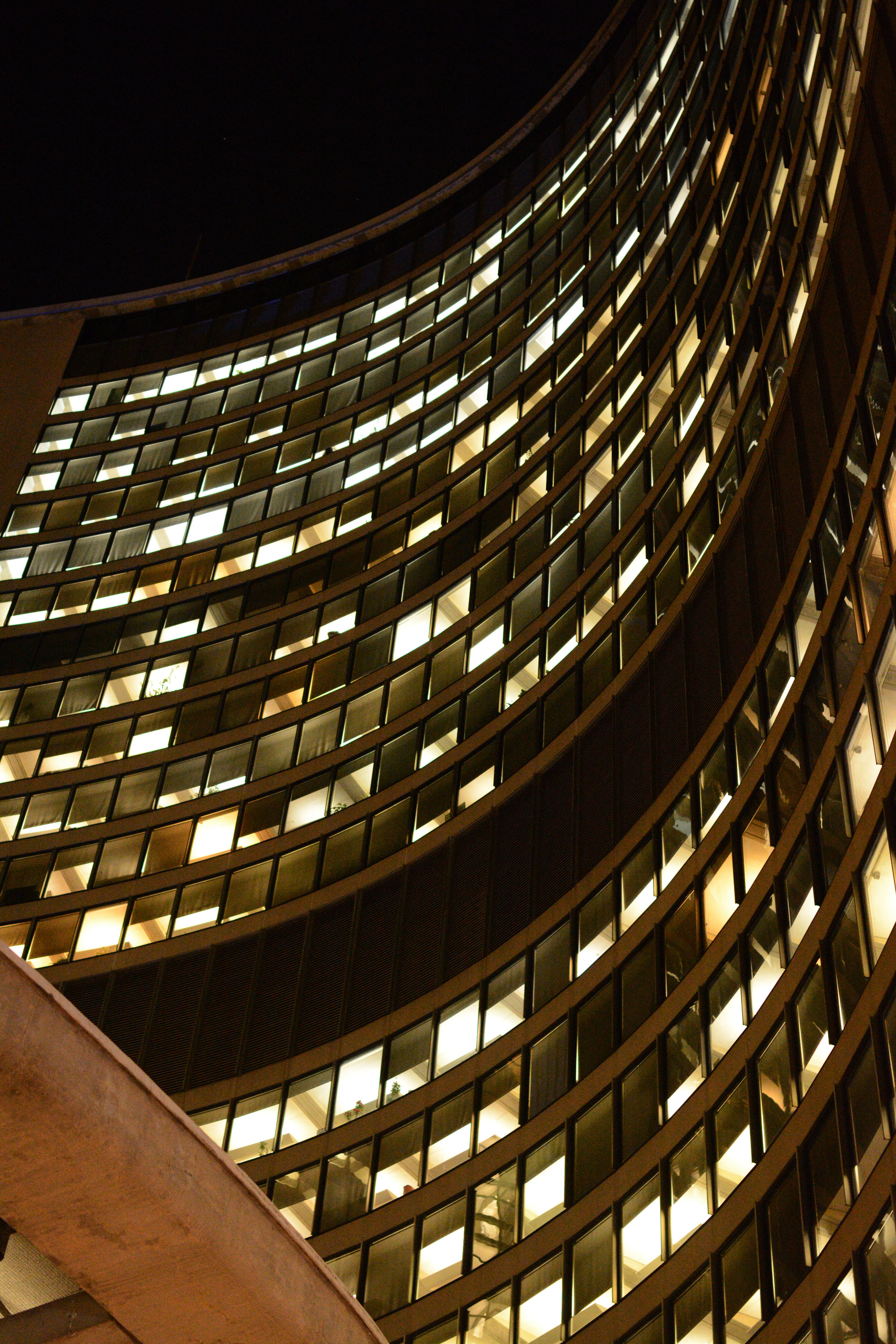
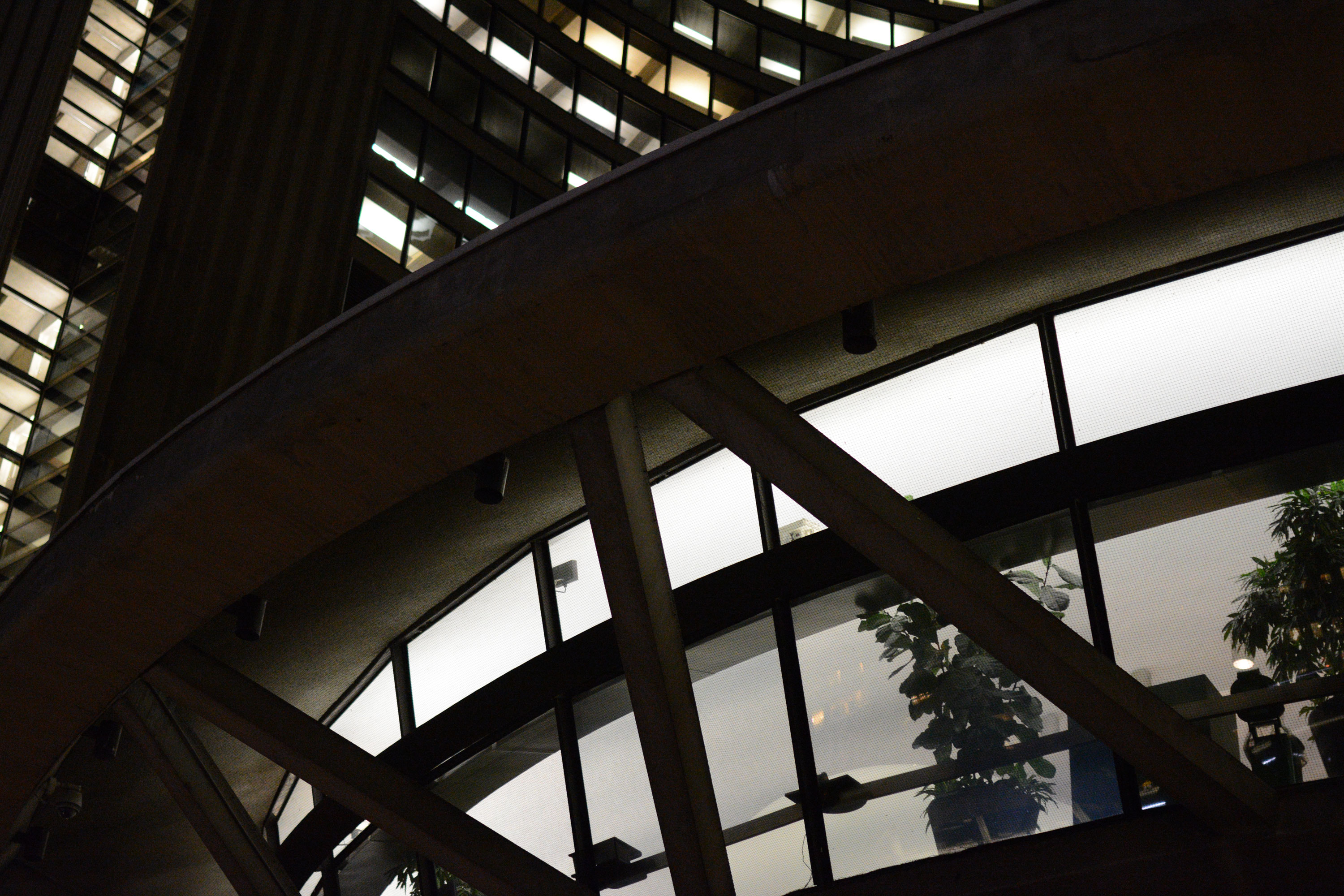
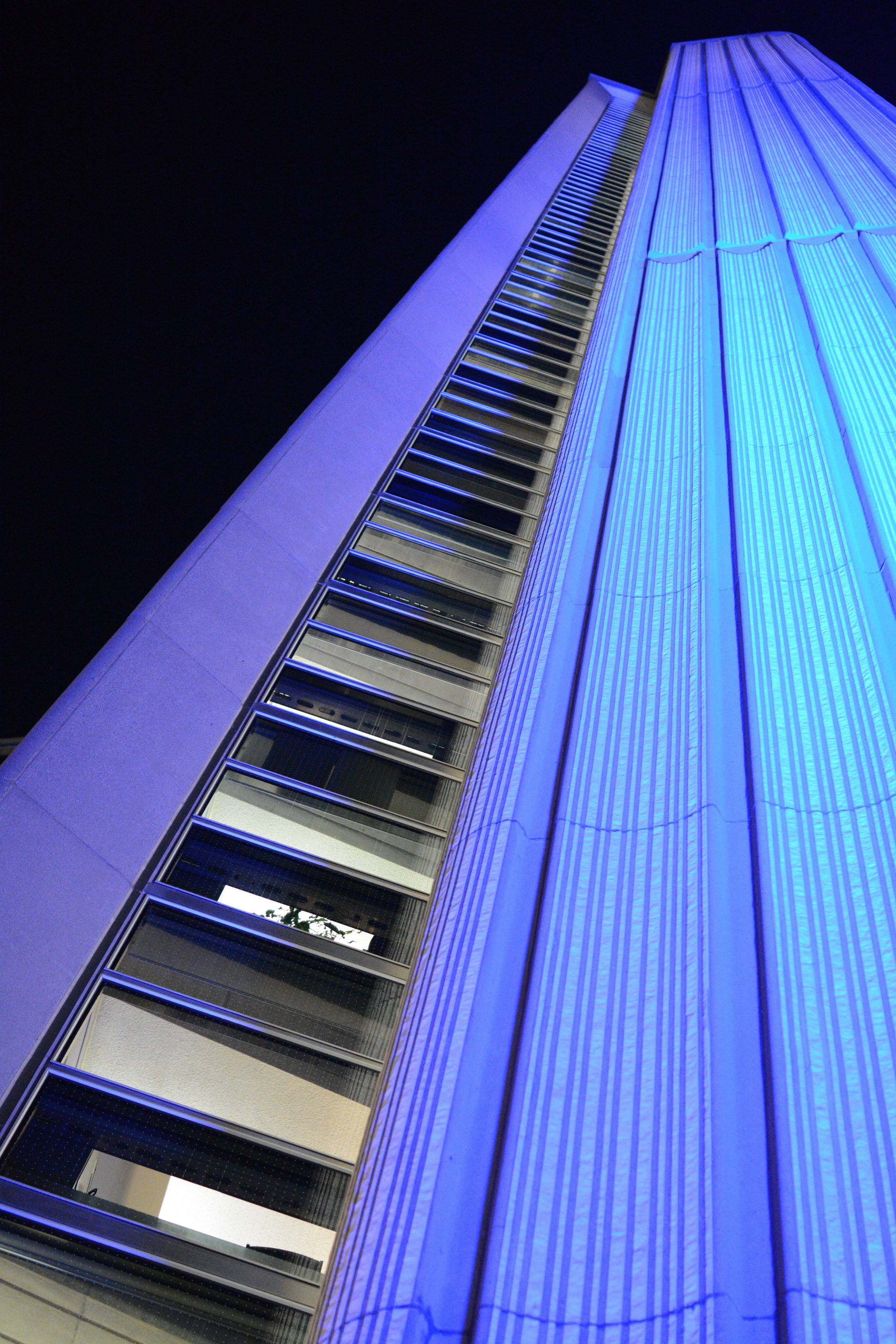
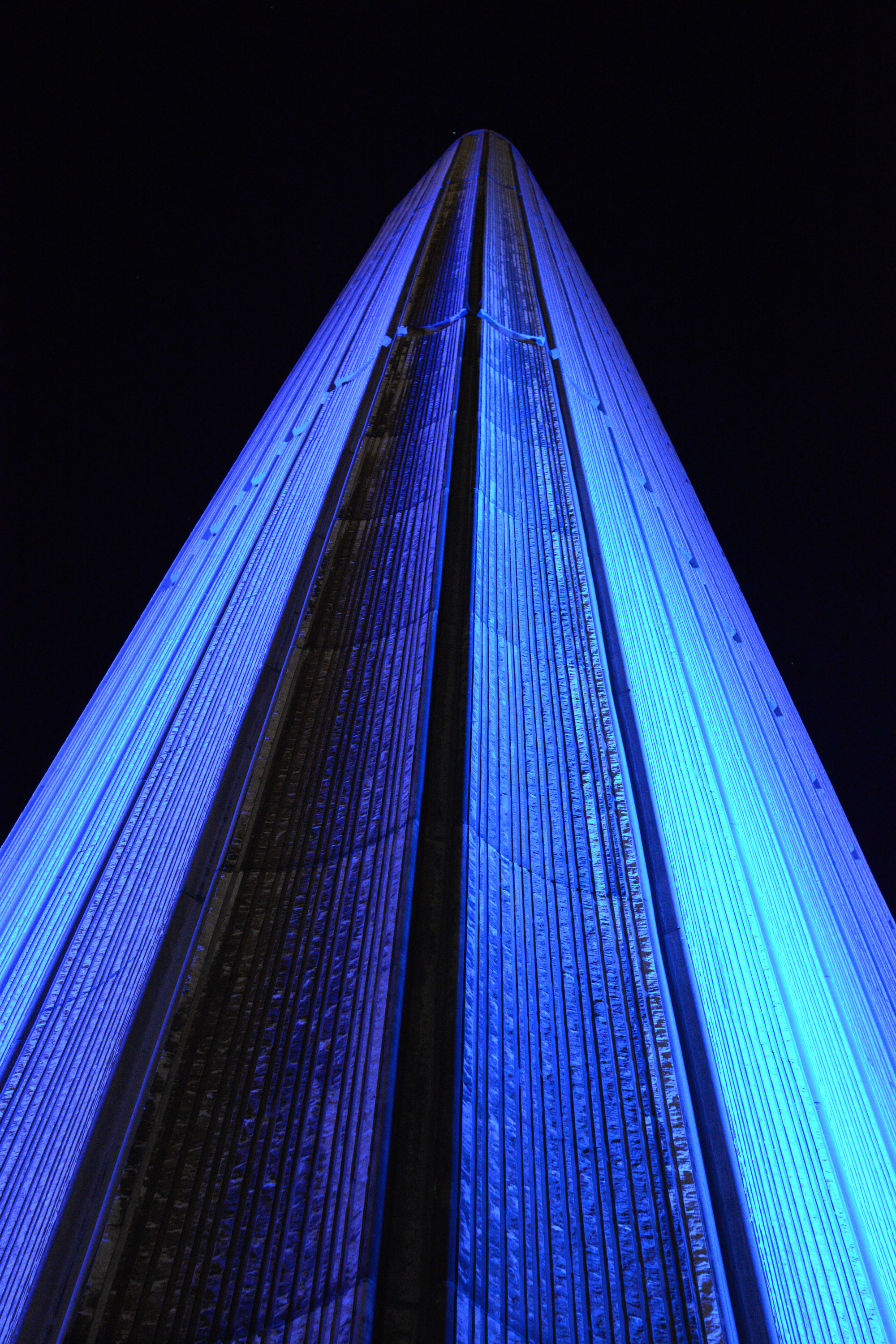
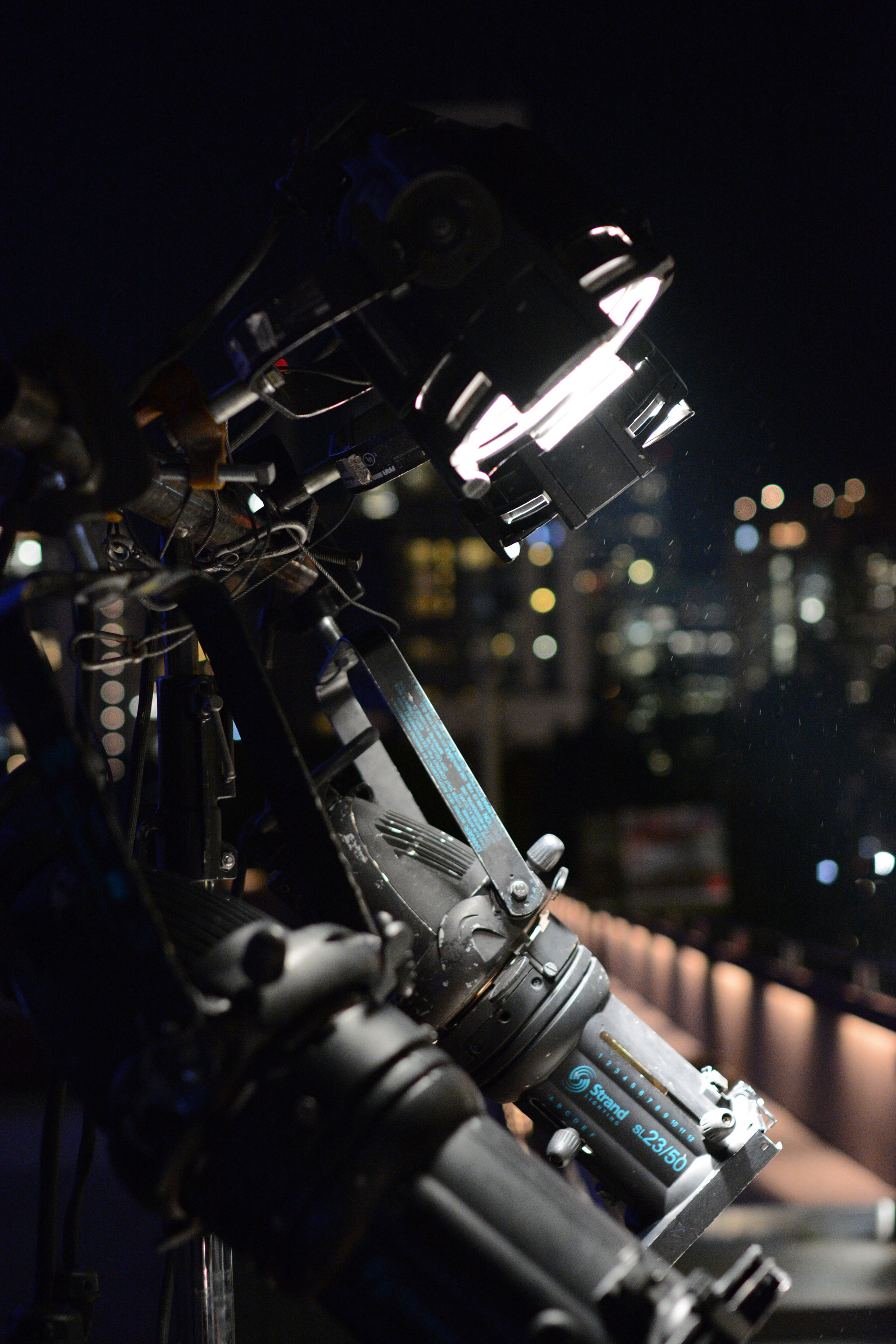
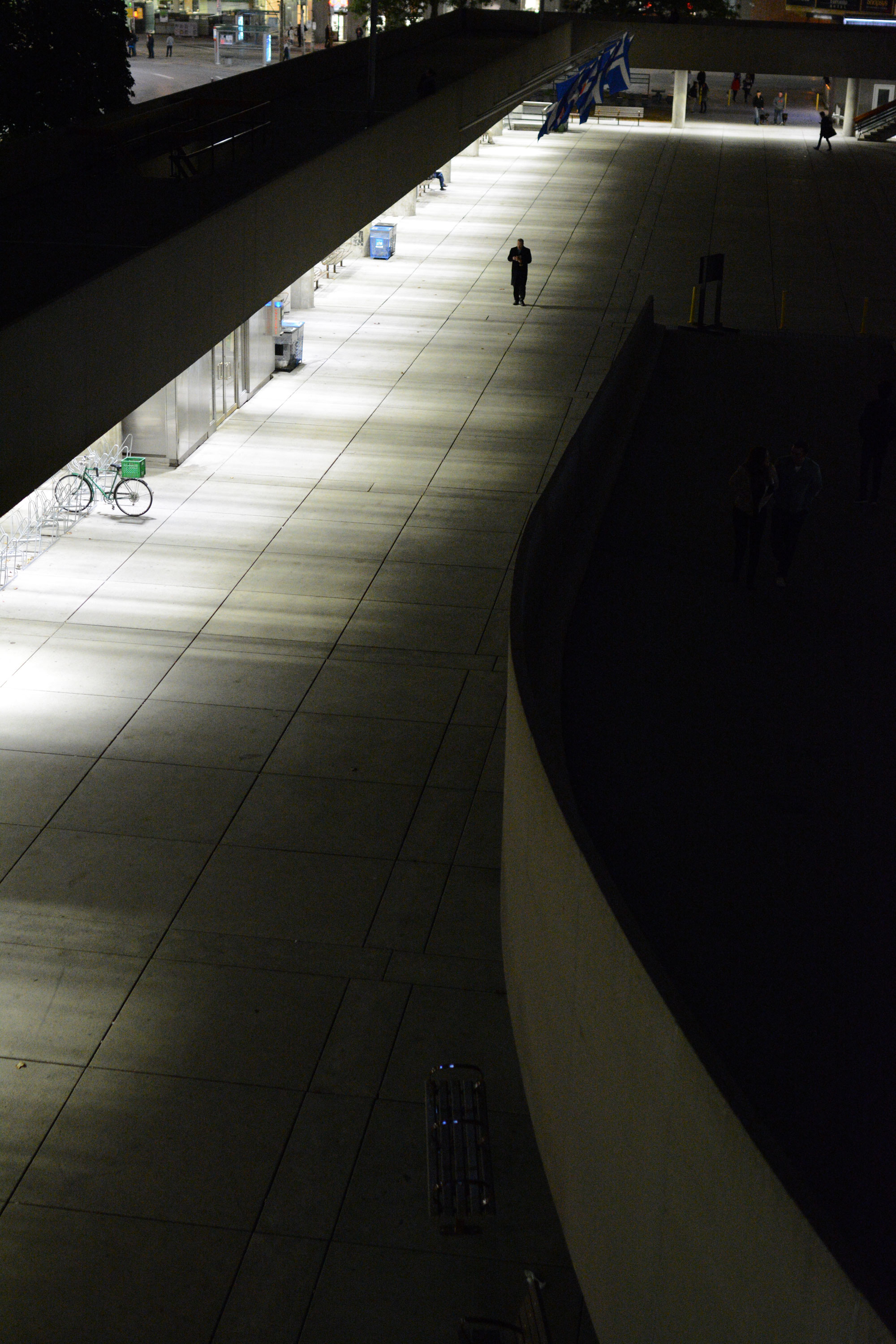
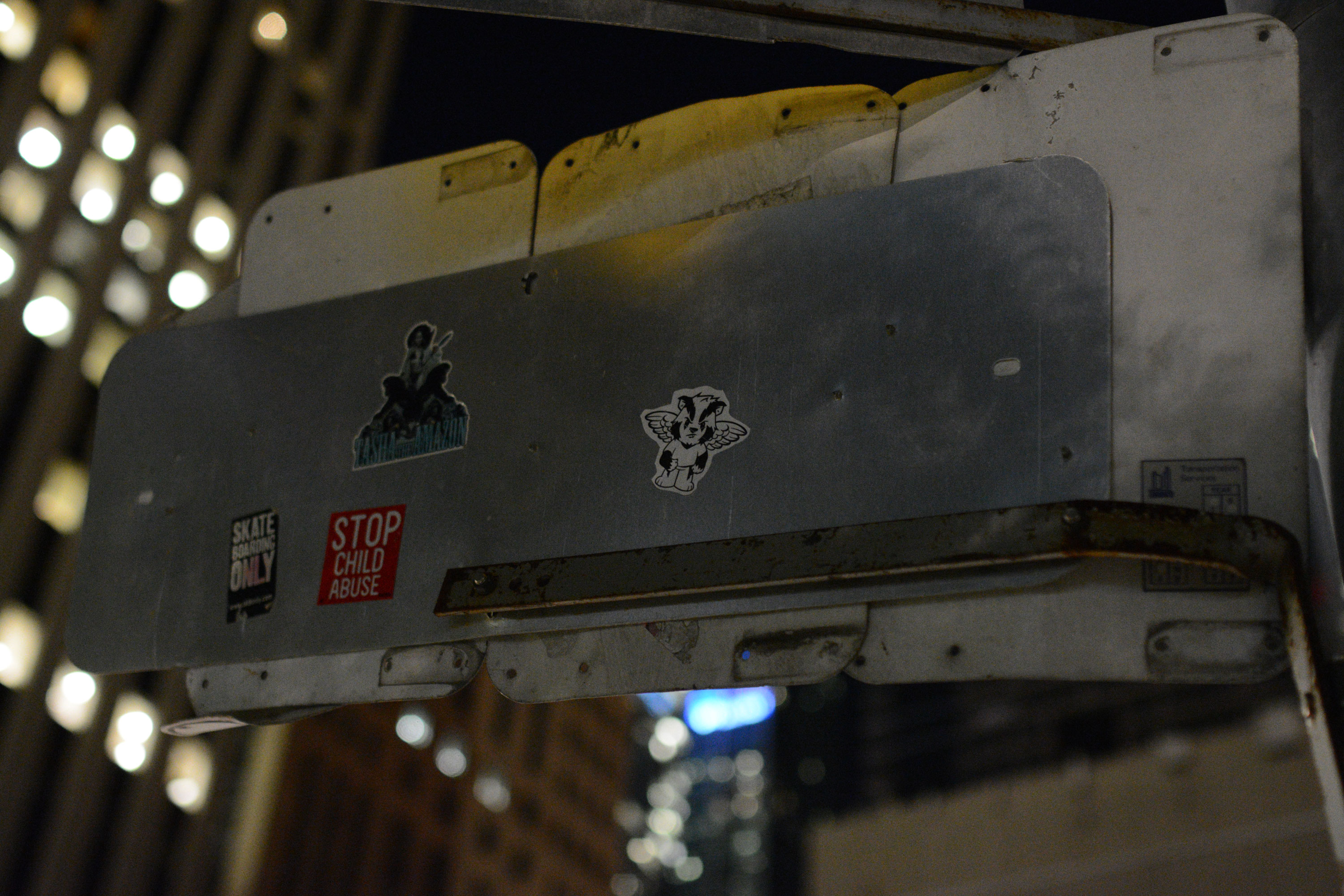
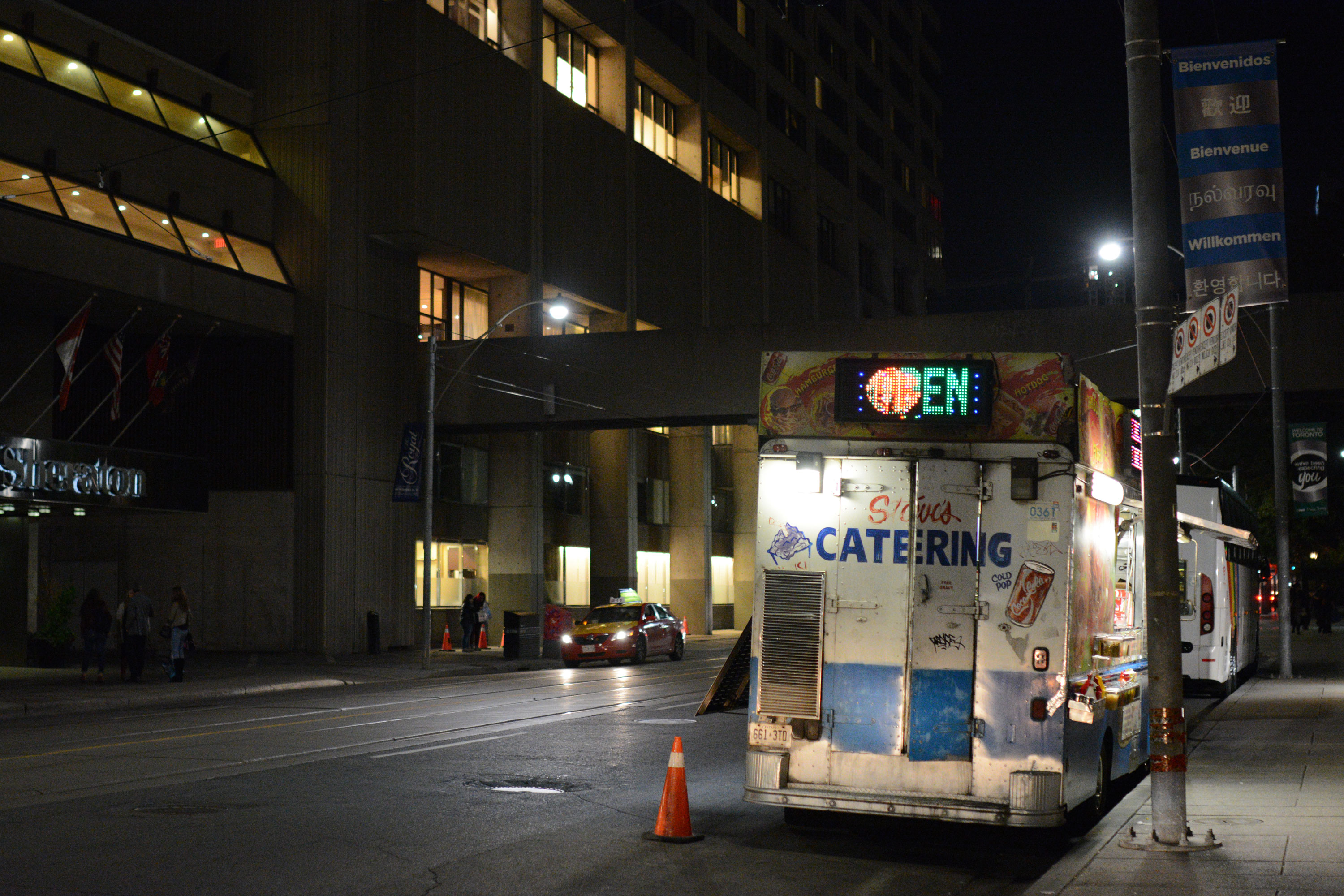
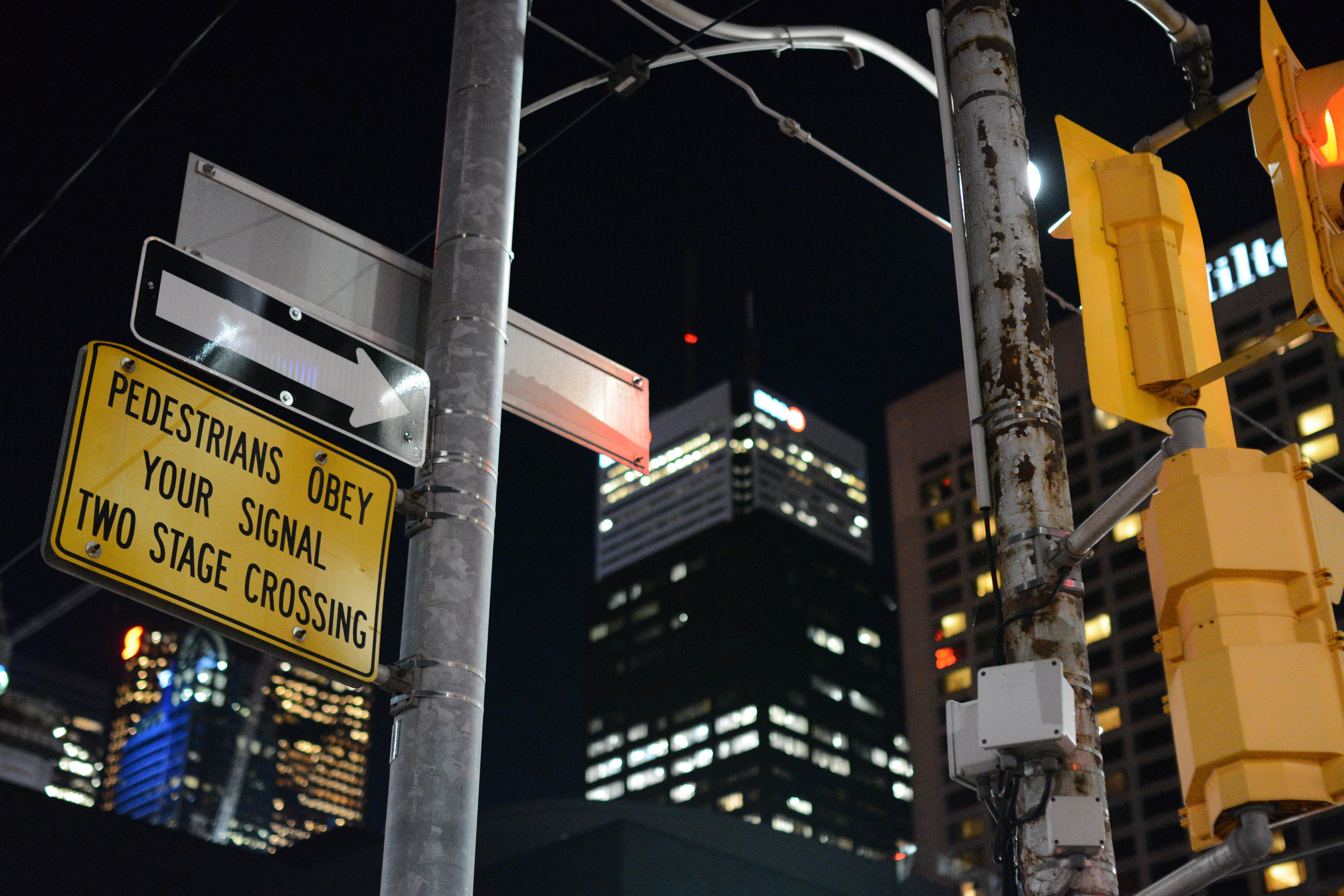
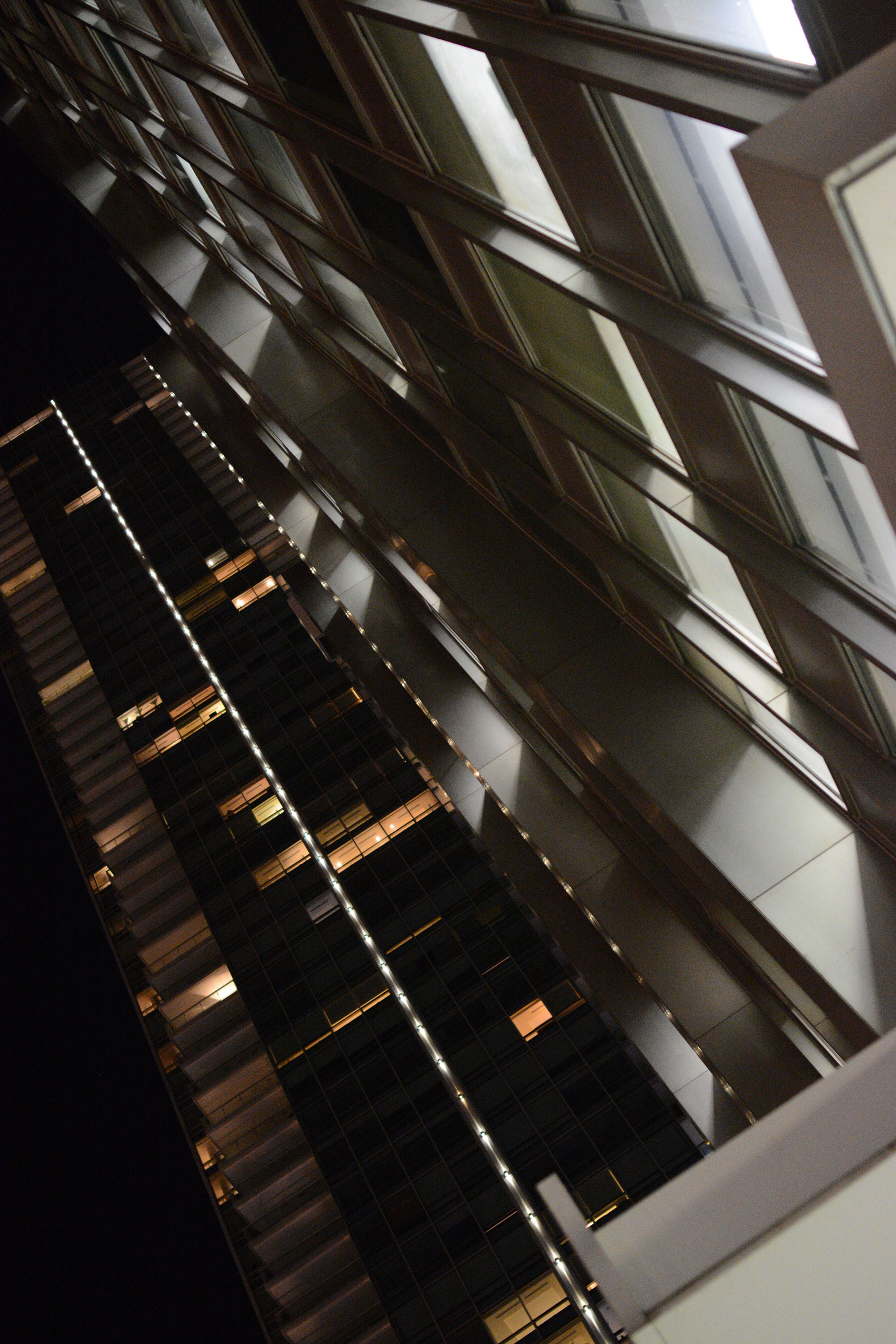
After doing a night shoot of CityPlace in Part II, my dad and I went out again at night, but this time we walked around the Financial District and Nathen Phillips Square before heading over to Queen and University. No longer summer the cool October evening turned into a much colder night, and by the end of our walk I didn’t want to change any settings on the camera for it would mean taking my hands out of my pockets.

I like the city during the day. But I also like the city during the night. With my late shifts at work I’ve been getting to see so much more of the city at night, the other city as I like to call it, when whatever can’t be done during the day gets done once it’s dark. I’m reminded of one of the few photographer’s I know—Brassaï—who photographed almost exclusively at night, exploring the city streets and night life of Paris after moving there in 1924. He saw everything—from the high society crowds at operas to the maintenance workers who cleaned out the city’s sewers.

I mostly photograph things. It’s rare for me to include people, and if I have, it’s usually because I hadn’t been able to get the shot without them there. Normally I’ll wait for a frame to clear of people if I can. It’s not that I don’t like people—it’s just they’re often in the wrong place of the picture. That said, there are more people in this shoot than there ever have been in previous ones. It’s hard to avoid them in such a busy part of the city—even on one of the first colder nights of the year.
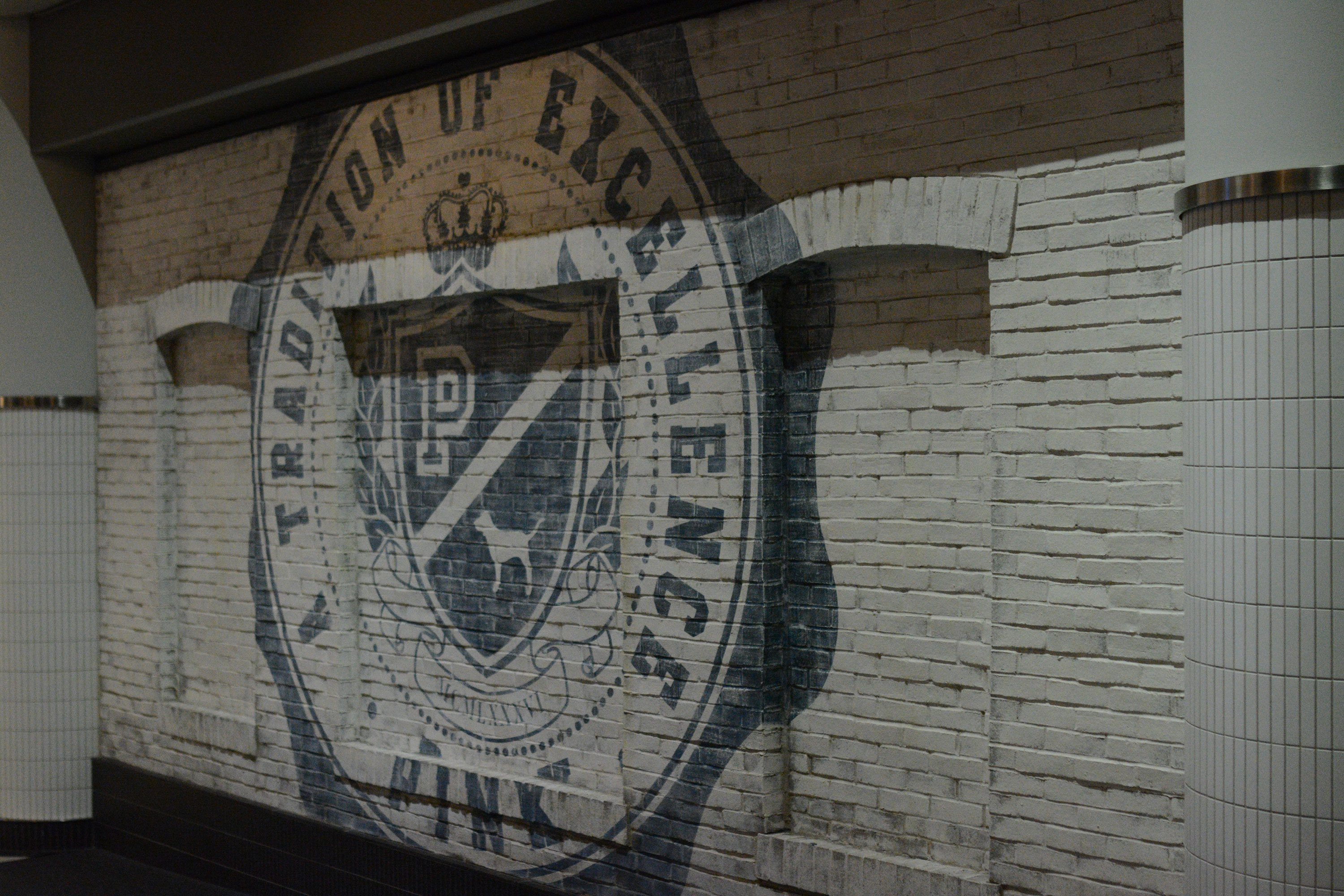
The narrative is chaotic—fitting, as at the end of this shoot I return home and find myself in the middle of the beginning of the ending of something which, in hindsight, needed to have ended long before it ever started. Yes—chaotic. Such is the nature of gaslighting—you don’t notice the sanity of your life slowly leaving until you’re surrounded by chaos. Or covered in cat scratches.
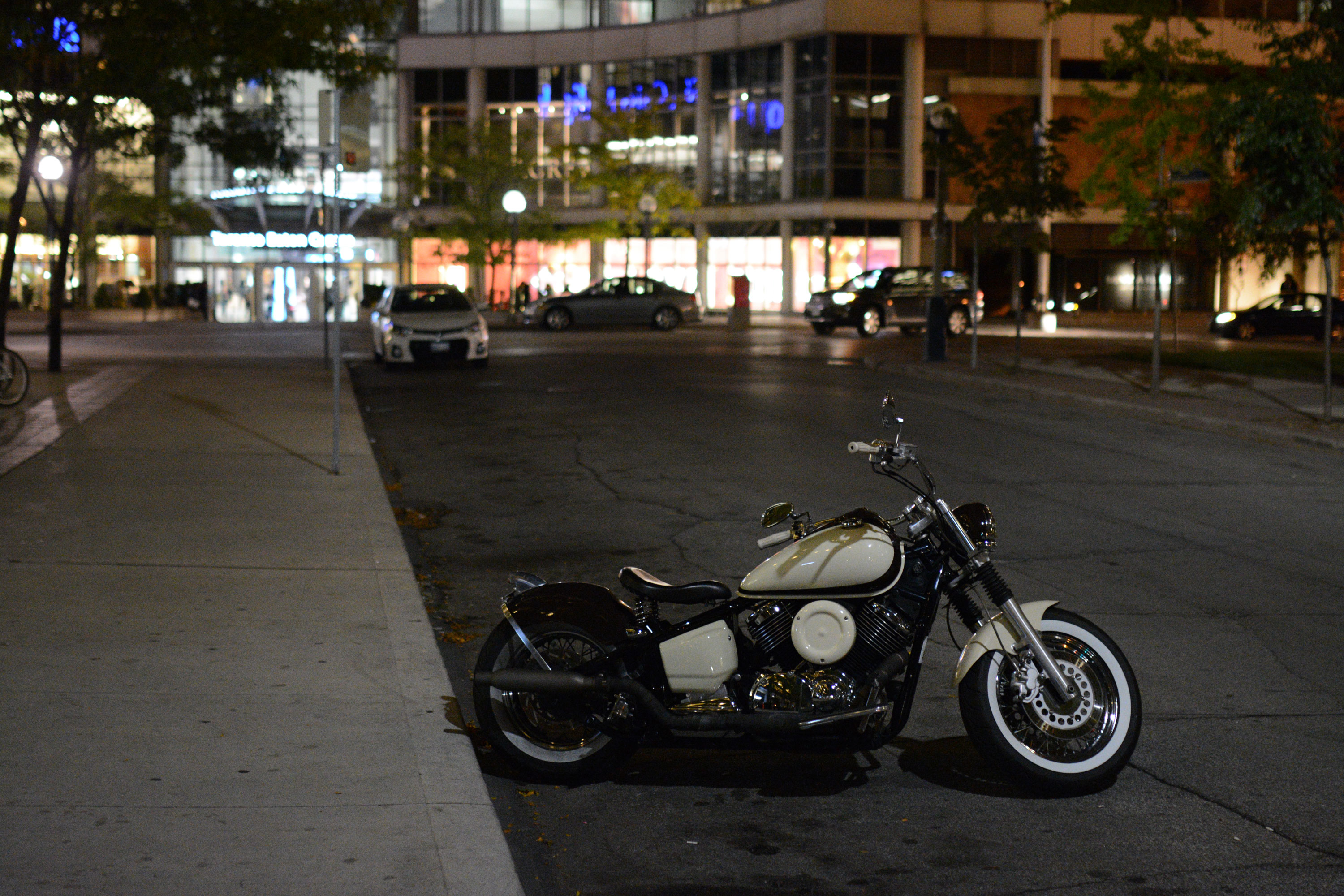
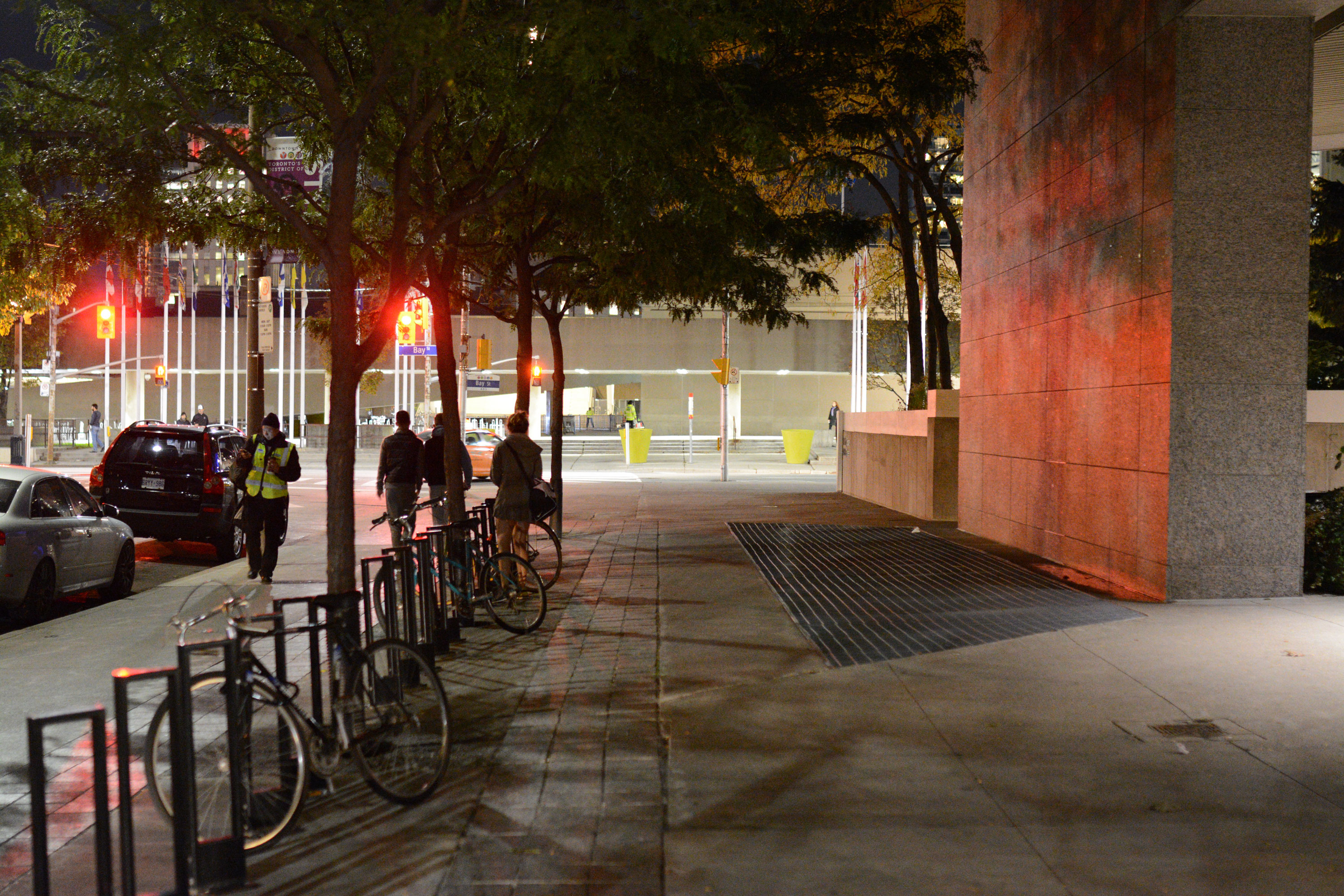
Yet I make my escape… I’m free. And all it cost me was my life up until then. But it’s okay. I’m building a new one now—a better one.

This is the part where everything breaks and you fix it, remember?

I remember.