NostalgiaLite™

No gas—just light.

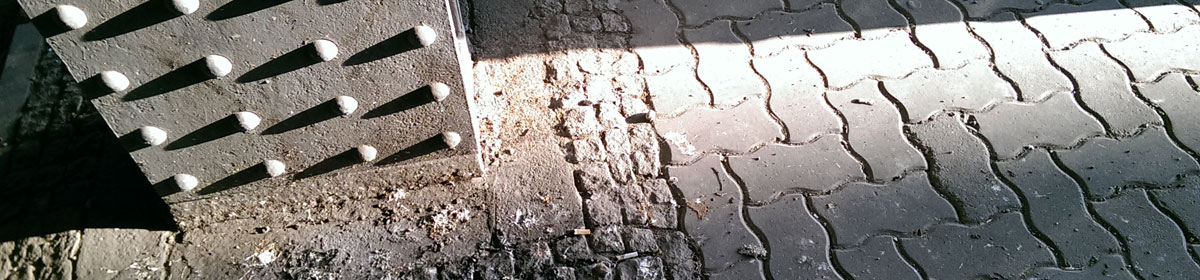
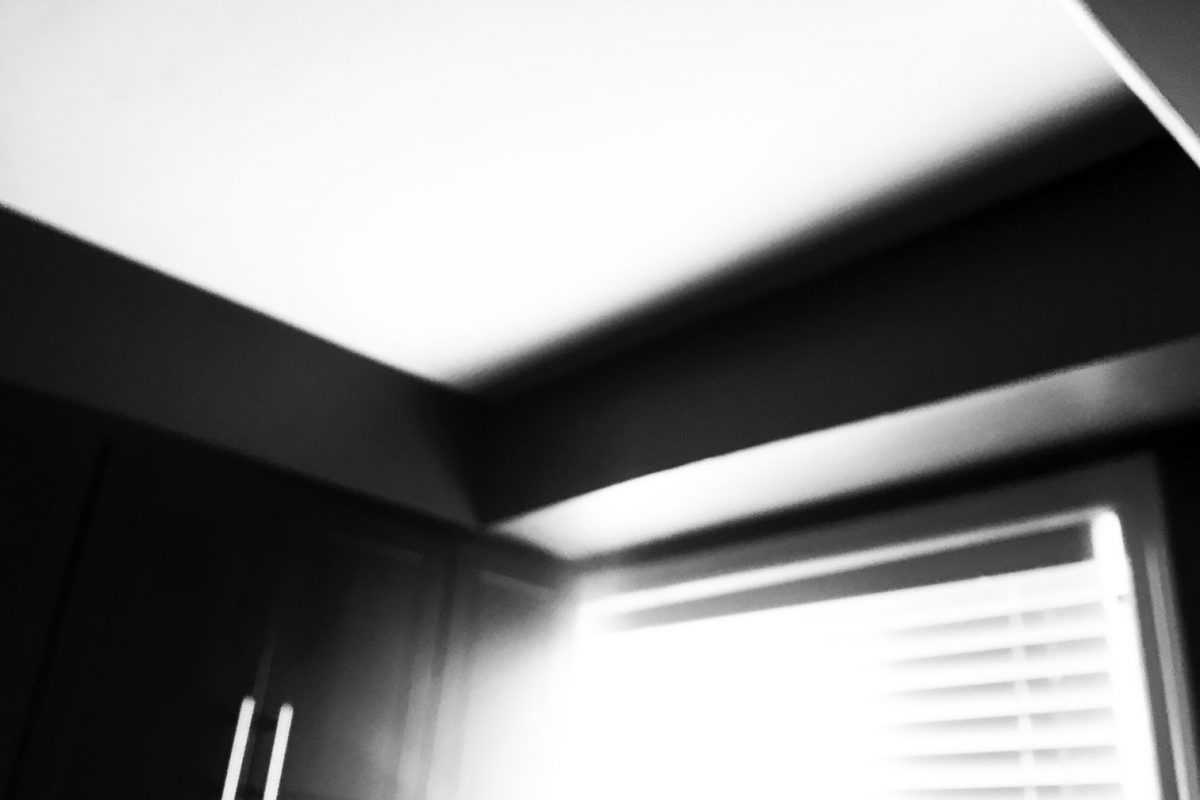
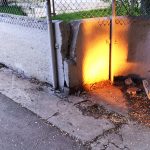
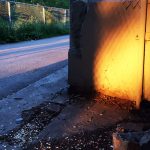
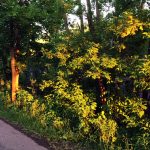
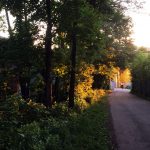
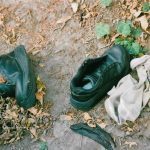
My recent exposure to film‐based prints got me thinking about the qualities a traditional photograph has when compared to a digital one. I wanted to see if I could simulate the look and feel of a scanned photo using software and a digital camera. Then I wanted to see if I could simulate some of the framing produced from using a rangerfinder camera with manual focus. And then I wanted to simulate the multiple pictures effect of perhaps not being sure if the exposure was correct or the focus was correct or the framing was correct, so another similar but different picture gets taken again—maybe even again again.

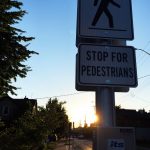
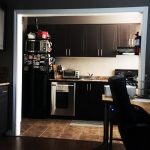
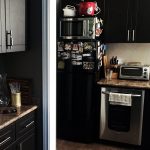
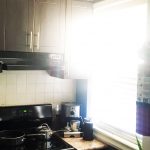
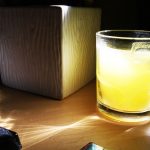
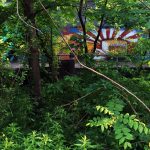
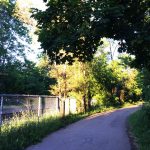
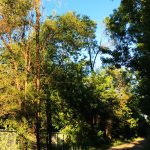
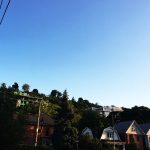
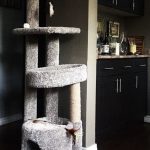
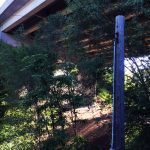
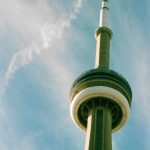
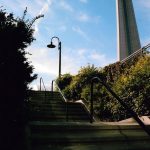
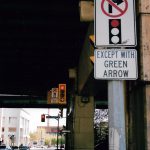
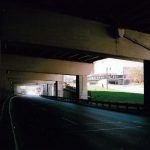
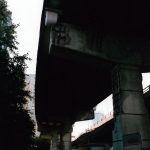
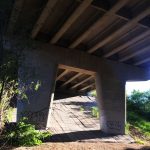
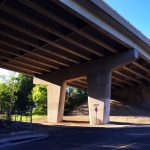
The outdoor pictures are all from spots within a short walking distance from my apartment. It’s a great part of the city to explore. I’ll usually go for a stroll when the shadows are long now that the summer weather is here. The light is wonderful, so intensily seasonal. There’s a little bit of everything close by—be it forested pathways, quiet residential streets, or massive slabs of infrastructure. The indoor pictures are mostly of my living room and kitchen during a particularly magical sunrise. I swear it has something to do with having cleaned the windows last week.

This one’s short and sweet—no heavy lifting required.

Enjoy!

Departures: Part IIII

CityPlace epilogue.

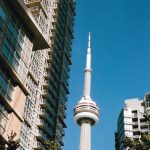
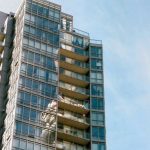
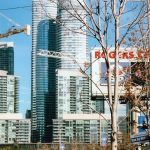
In a long ago post I mentioned shooting a roll of film that was already several years old. At some point I must have developed the roll, because I found the prints from it the other day. From an early October weekend in 2015, they’re pictures of my old neighbourhood in Toronto’s CityPlace.

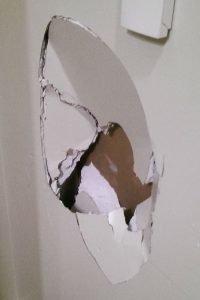
The circumstances I found myself in the day I went to take these pictures were troubled. The short version is the night before I stood up to someone who had been mentally abusing me for a long time. They physically attacked me for it. I was knocked into and partially through a wall in my apartment. My face and neck were scratched for my family to see on Thanksgiving the next day. Upsettingly it wasn’t the first time they’d attacked me—but it was the last time. This individual had slowly crept and creeped their way into my life, colonized my thoughts, and curated my experiences. I thought I was going insane, hanging on by just a thread at one point—such is the goal of a gaslighter.

But I got away.

When I found the prints I was struck by how far from ago they felt. The film stock itself was old and expired, likely responsible for some of the washed out colours and fuzzy details, though some of that look might be from me being out of practice with the exposure control. I generally use a camera’s aperture‐priority mode so I can influence the depth of field, but it can get tricky when using ISO 400 film outside on a brilliantly lit autumn afternoon. The rest of the look must come from the effect of scanning a photographic print—there’s something about the way a scanned picture looks… it’s gotta be the dust.

Nostalgia is something I have to watch out for. At times it’s still too easy for my mind to wander from a trip down memory lane to a detour up a cul‐de‐sac of regret or across a boulevard of unfinished business. Rampant nostalgia becomes a subtle gaslight of the past—tempting one to forget there’s usually a few reasons why it’s been left behind.


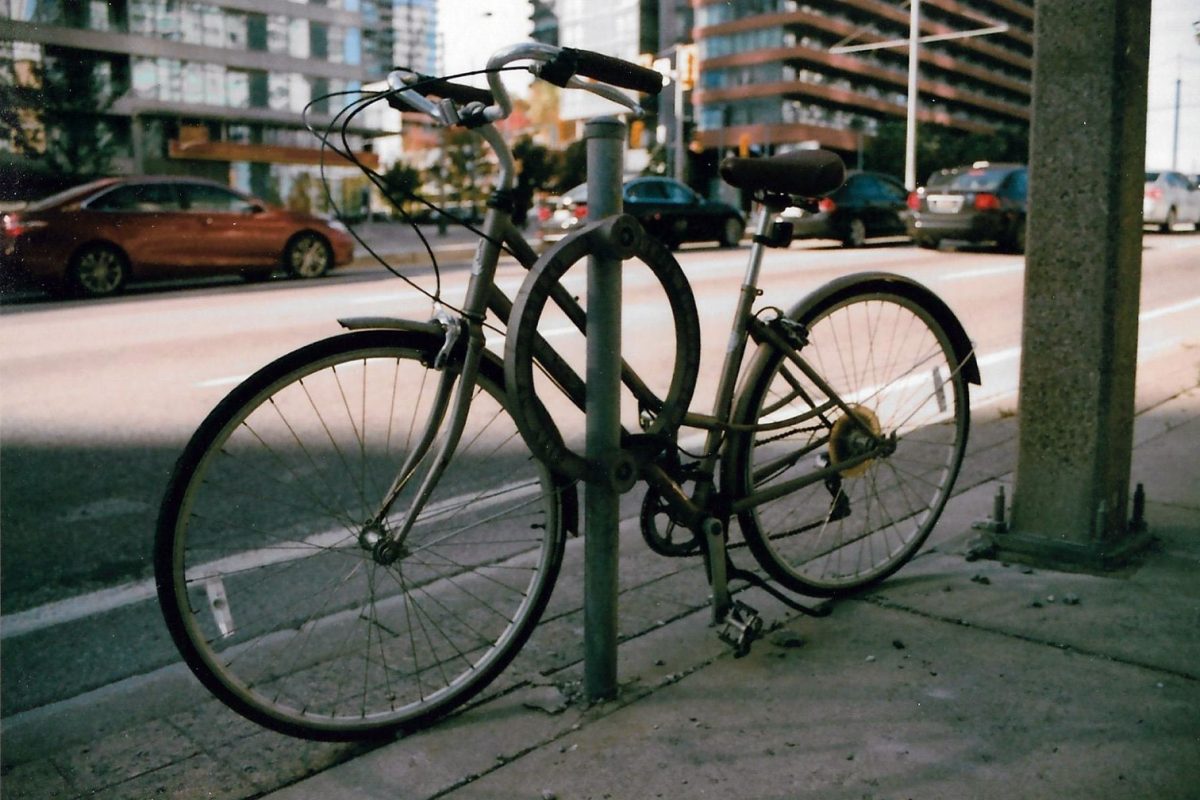
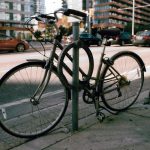
The bicycle used as the featured image for this post was always locked up in the same spot outside my old building on Spadina Avenue. It was there the day I moved in, and it was there the day I moved out. Archived Street View images confirm the bike has been there for years prior and years since—always in the same spot. I last saw it in 2018 when as I was passing through the neighbourhood on a streetcar.

The most recent Street View suggests the bicycle isn’t there anymore, but the images don’t make it clear. I’d need to visit the site itself and see for myself—though that’s assuming I care enough one way or the other about the bicycle’s status. Its location frozen not in time but in place is what was of interest to me, but I realize now the bike’s entire existence is irrelevant. It’s either there, or it isn’t, and either way I’m no where near it.

Perhaps my cautious thoughts of gaslit nostalgia or dead‐ended regret are misplaced. Something definitely feels over. Business feels finished.

Reykjavík: Harpa

I’ve been up for over 36 hours—I think?

I had it all planned out: I was going to go back to work part‐time, watch math, science, and energy videos on YouTube, and work on my photo and writing projects. I felt better, and the prospect of a continued school strike or a lost semester didn’t concern me anymore: either way I was going to be fine.

But then the college employer council decided to force the government’s hand: they requested a lengthy voting procedure on a contract known to be unpalatable to the union membership, the union overwhelmingly rejected it, and, unsurprisingly, the government stepped in, right on cue, to legislate the entire thing into independent binding arbitration—the dry hump of labour dispute resolution.

In the midst of all the post‐strike school nonsense, I forgot I was walking disoriented around Reykjavík waiting for my room to be ready. At this point I am tired and my legs are starting to hurt. It’s not raining anymore, mostly. There is a fine mist blowing around from every direction. It’s loathful, but it’s also unlike any weather I’ve experienced, so a part of me is fascinated by it and attempts to figure out what exactly it is making the experience so truly terrible as I continue to walk.
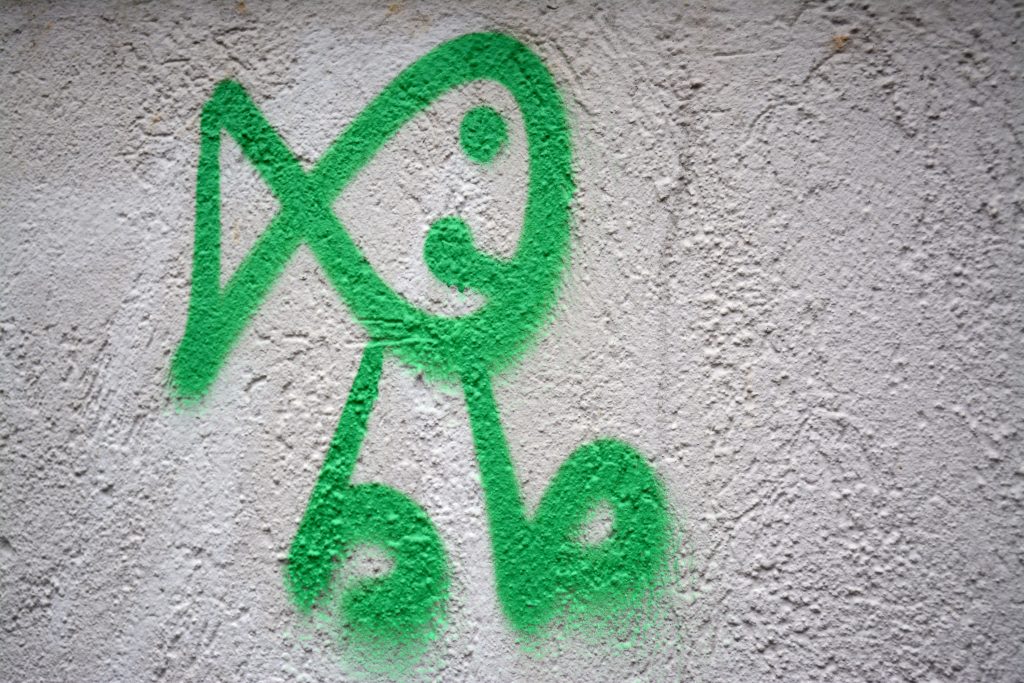
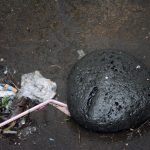
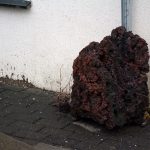
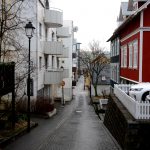
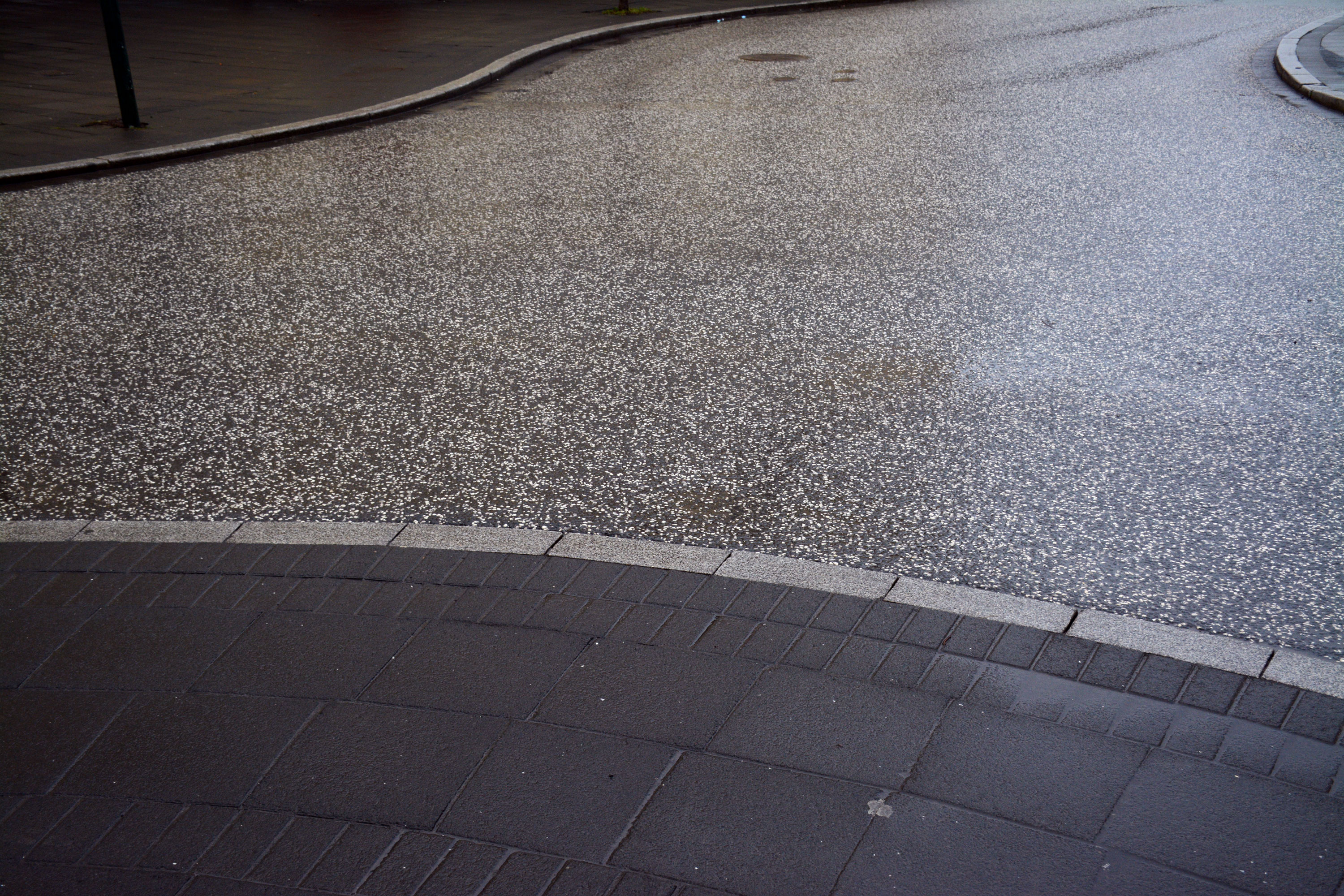
Most of the city streets are narrow, lined with brightly coloured buildings, and sprinkled with volcanic rock.

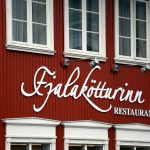
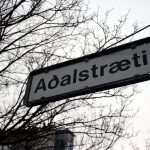
There’s something about written Icelandic I love: familiar Latin letters with little bits of otherness balance a visual pacing of characters to create beautiful words I cannot understand.

Each and every road, curb, and sidewalk is stone. The cars and trucks with their studded snow tires tap dance down streets in a sound I still hear in my head.
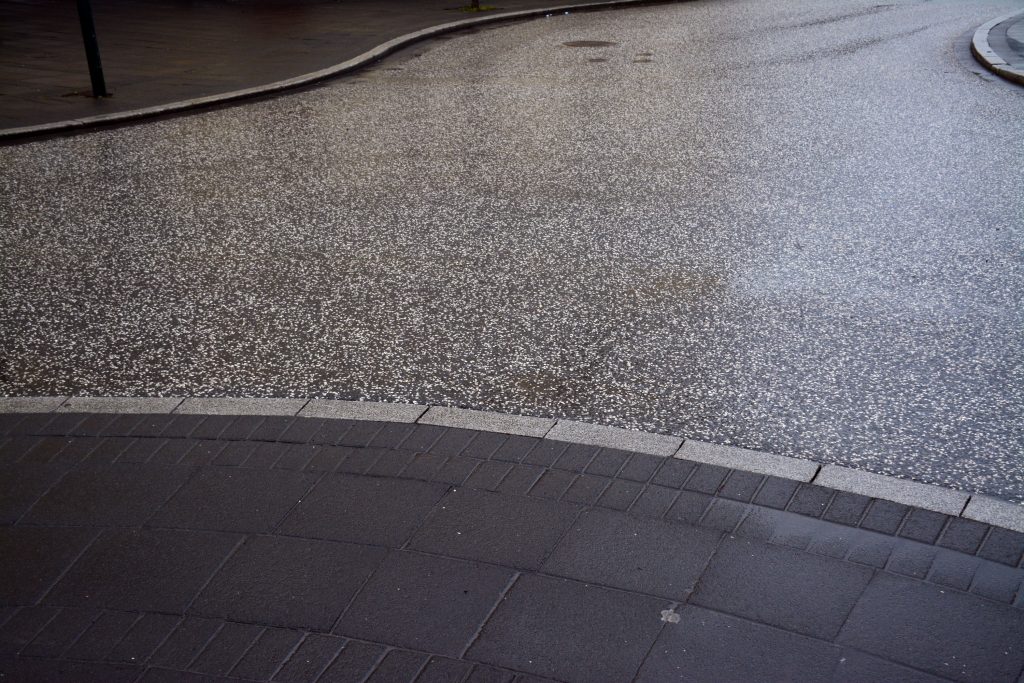
Not a single piece out of place. Will whoever did this please come over here and show us how to do stone like this?

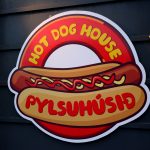
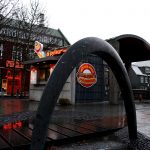
A coworker of mine told me to have a hot dog when I got to Iceland, so I did at this small square not far from where I’d be staying.

I’m not sure what the hot dog itself was—that’s the allure of the hot dog—but it came with crispy fried onions stuffed into a soft and crusty bun along with an unfamiliar mayonnaise‐mustard hybrid sauce: delightful!

I’ve also determined the terribleness of the weather is because there is no way away from it. No matter where you are, no matter what piece of cover you think you have, the omnidirectional wind and ever‐present mist are right there with you, reminding you it’s just warm enough to keep things from freezing, but not cold enough for a warming snow fall.

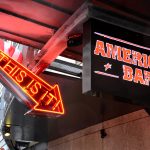
And then I see it: American Bar. Giant lettering lit up with marquee bulbs alerts you to its presence, and, just in case, flashing red neon arrows and waving flags point you to the front door where loud music pours out. Much like the terrible weather and America itself, it’s hard to miss…

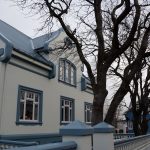
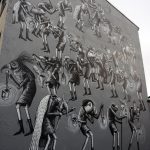
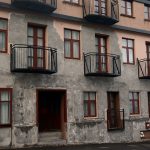
Leaving the city centre again I’m struck by the variety in building style and repair, or that entire sides will be covered in pristine murals.

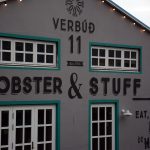
Just down the road from the last picture is the harbour, and by this point I am just an hour away from being able to check into my room and rest. I’d read about Iceland’s playful use of English and saw a few examples of it—the “& Stuff” construction being my favourite. I’ve never been around English like that before: I like it.

I’m also very cold now. As the first little patch of blue sky appears above the city and out to sea, I see what looks like a glass honeycomb in the distance. I decide I’m going to walk over, see what it is, see if I can get inside it, and by my guess that will occupy the last hour of time before a warming shower. Oh—and I figure there is a non‐zero chance I will be able to at least spend some time inside of a heated structure before the walk back across the harbour.

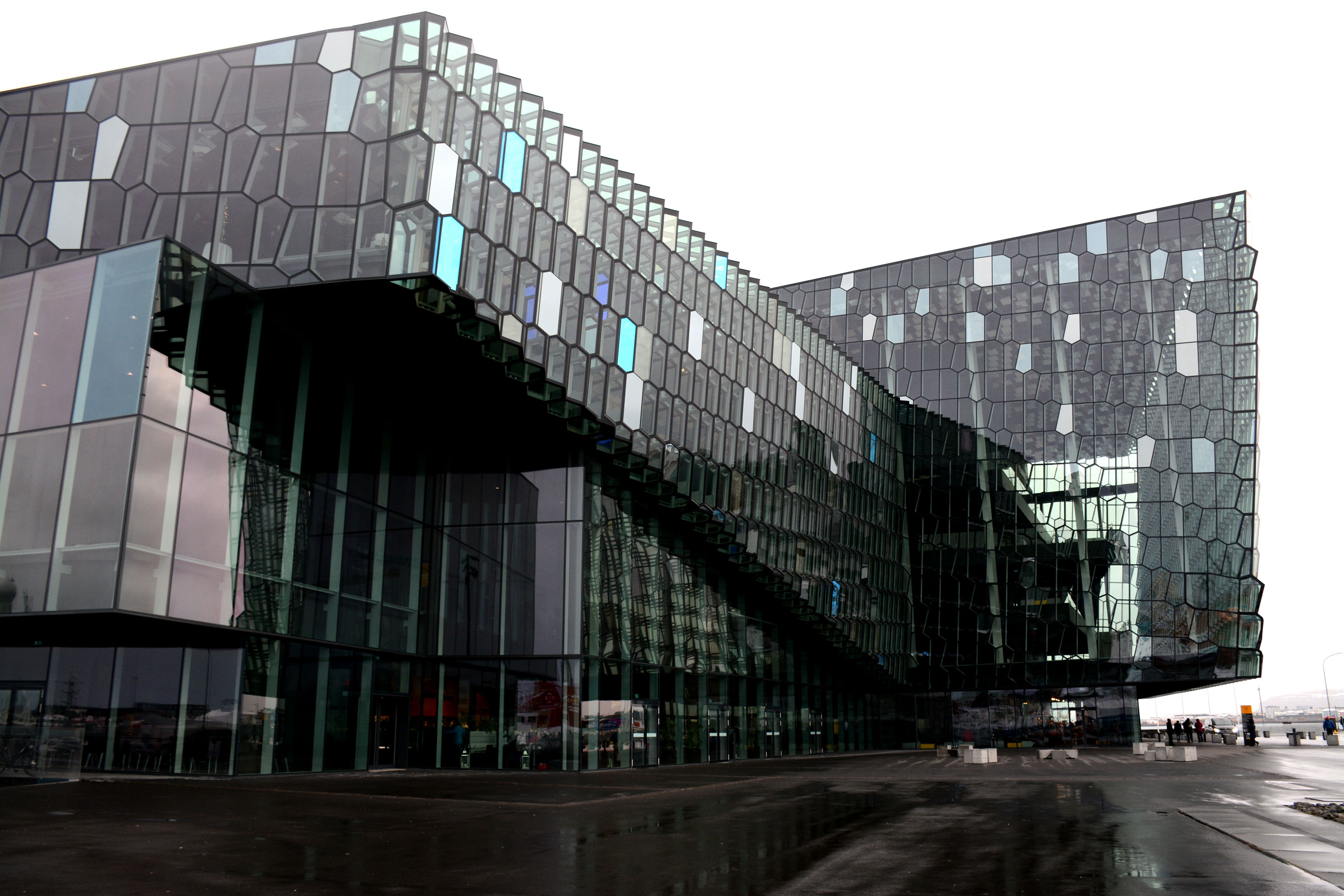
The building gets closer slowly as I realize it’s taller and father away than I thought. But I arrive eventually at Harpa—a concert hall completed in 2011.
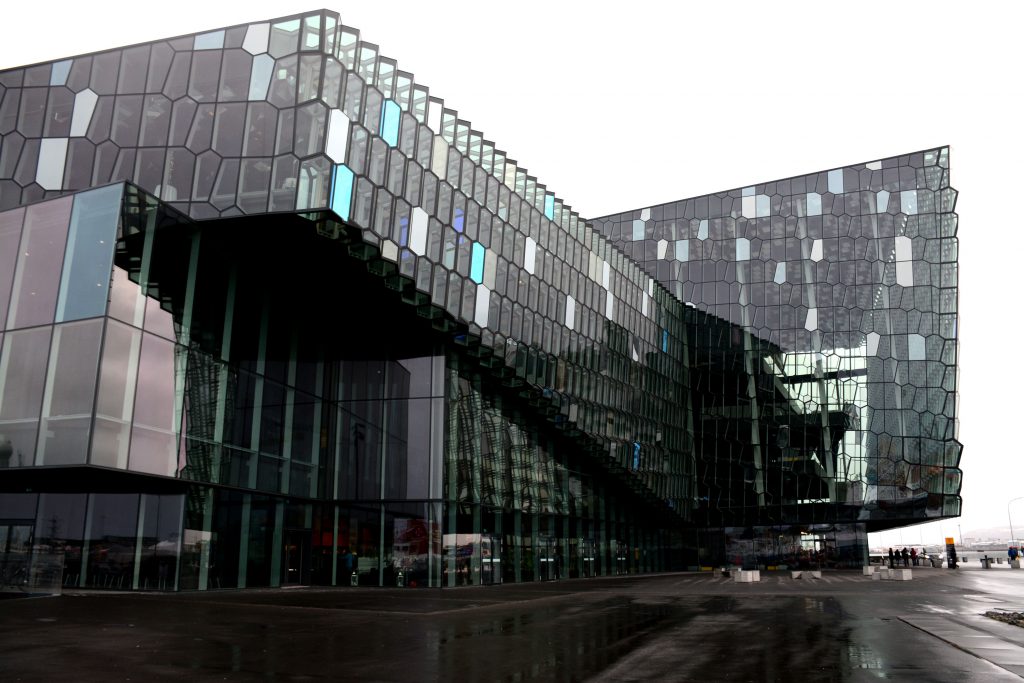
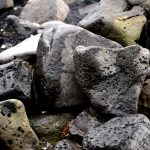
Much like everything else in Reykjavík, there are volcanic rocks sprinkled around the building.

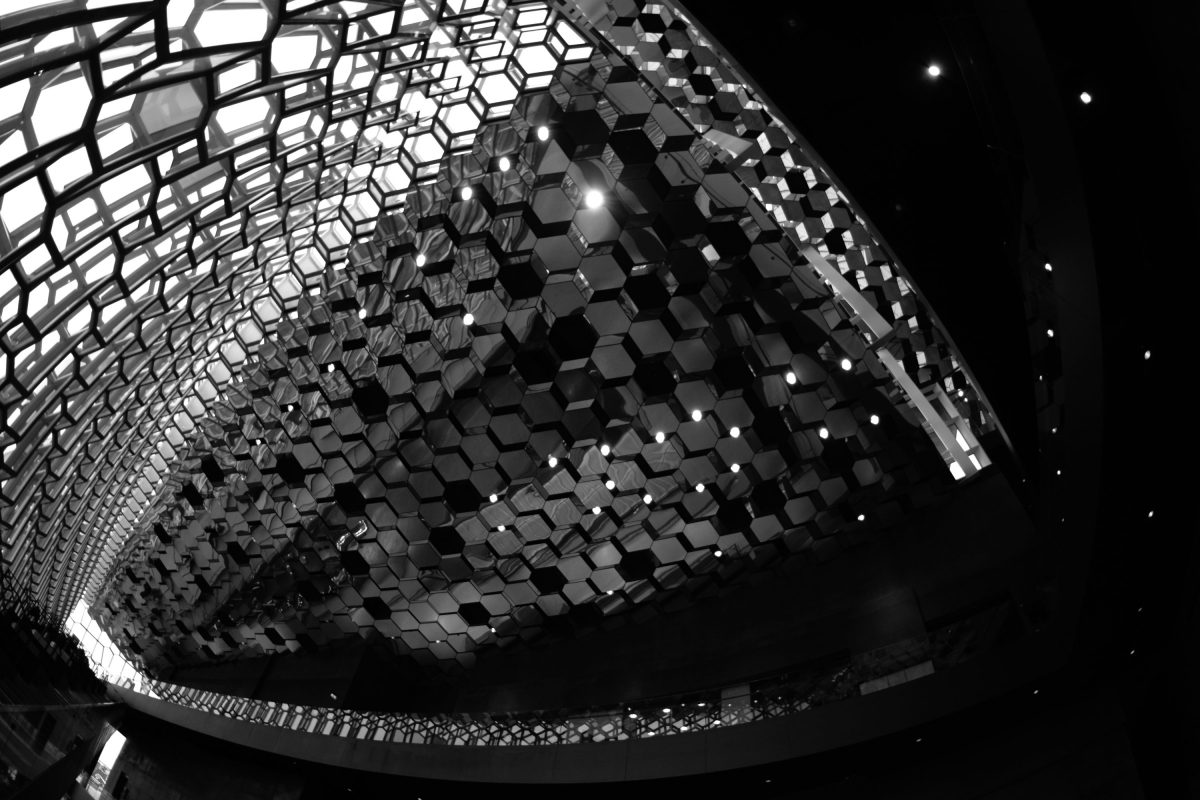
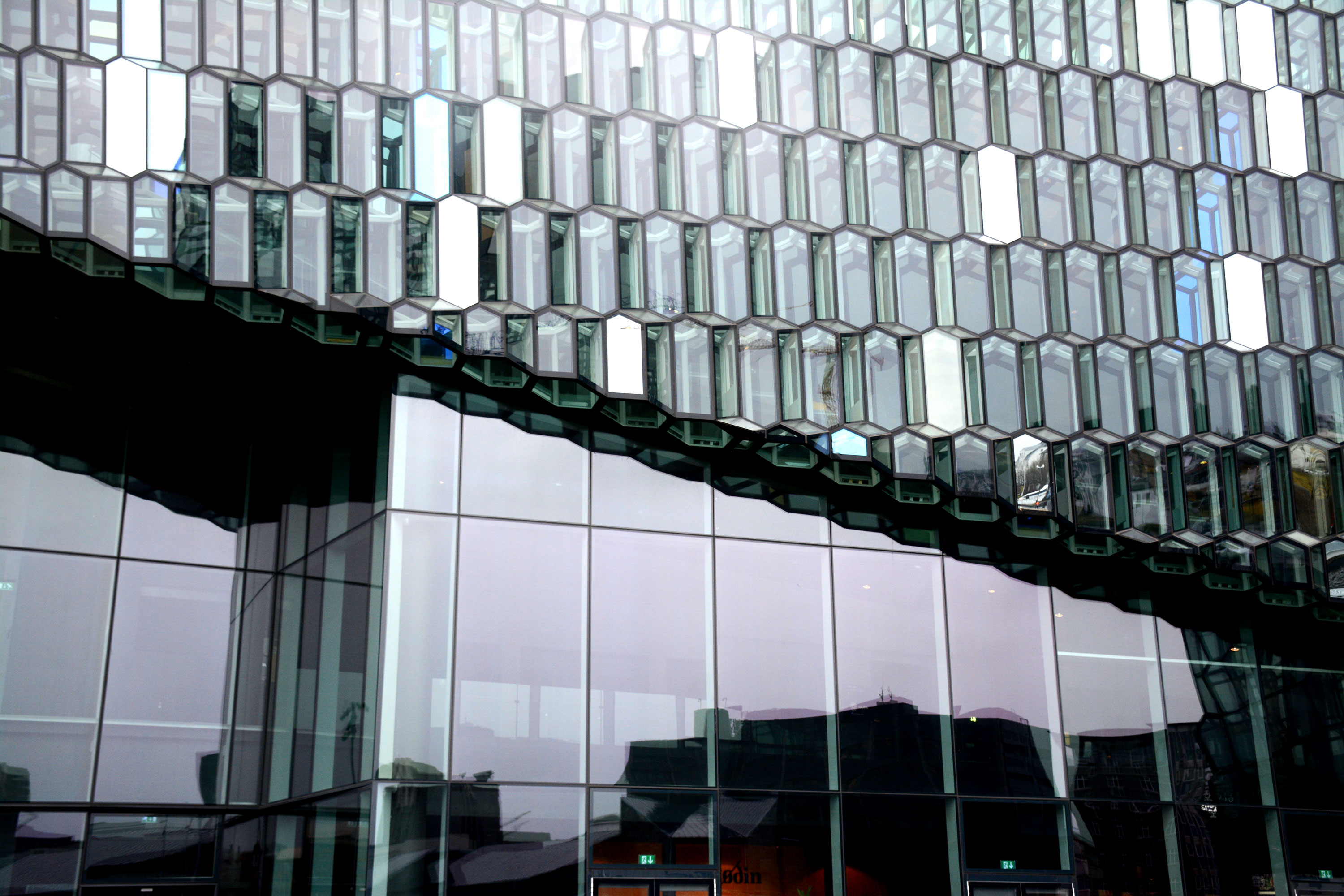
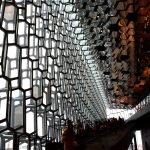
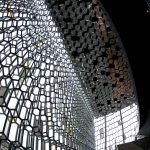
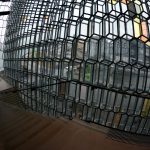
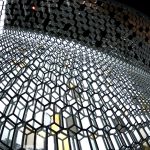
And the outside of the structure is indeed covered in a glass honeycomb.
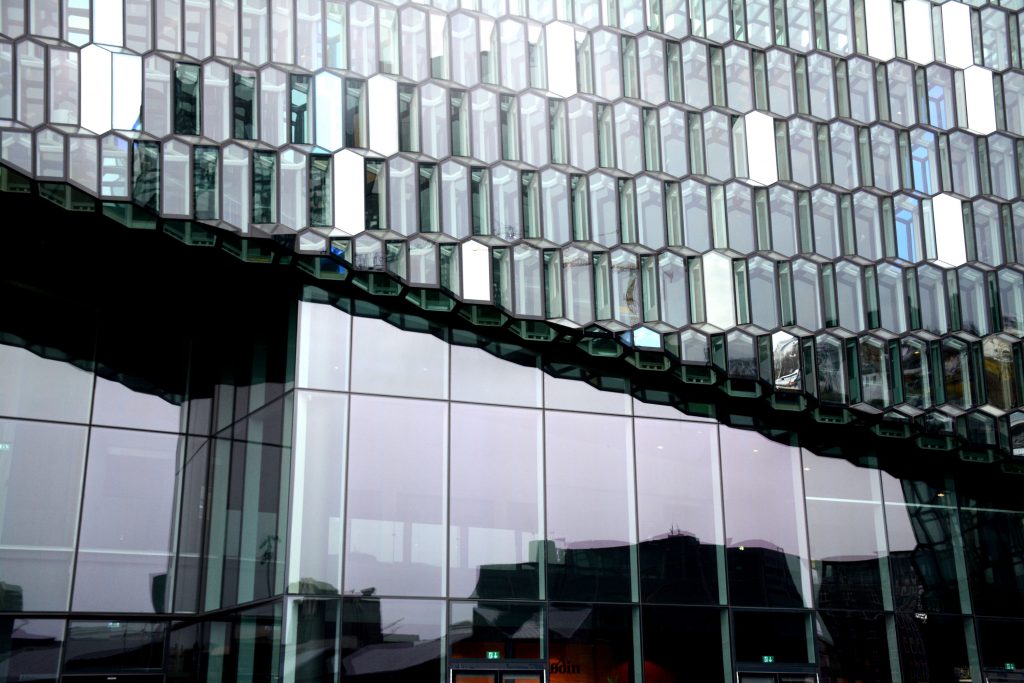
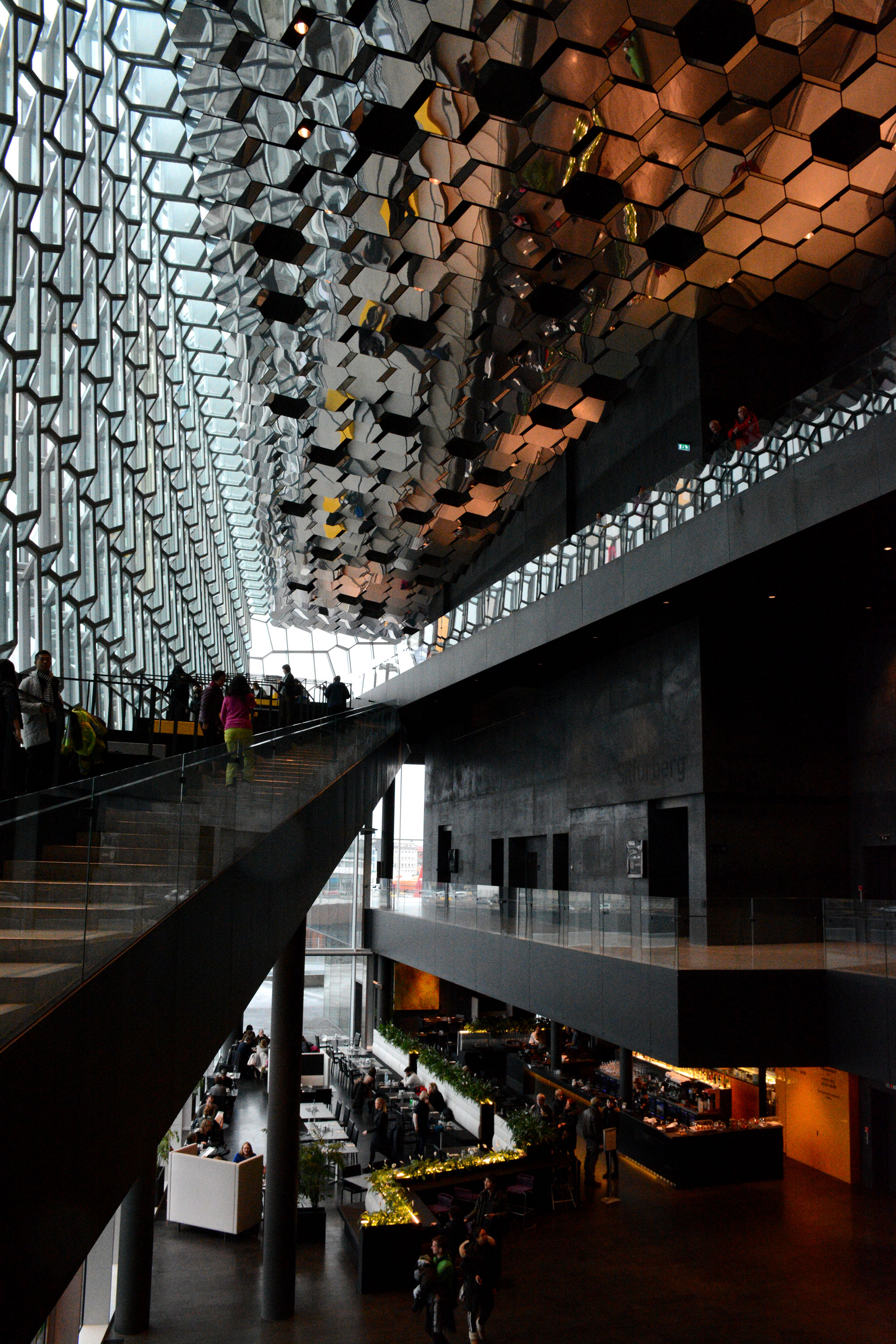
But the best part—I can get inside where it’s warm and dry!
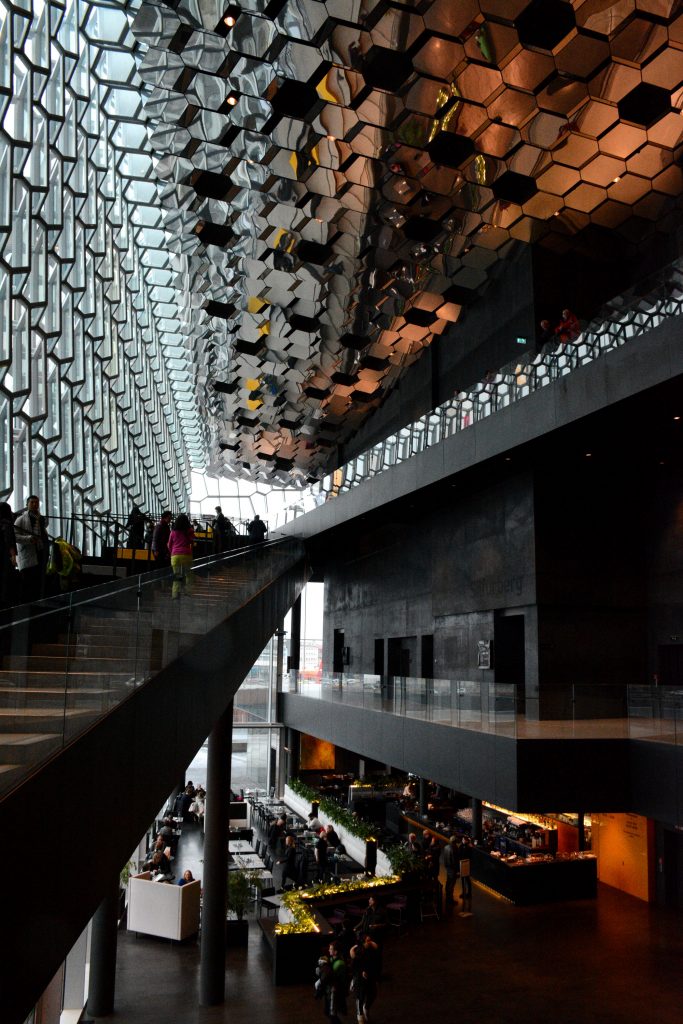
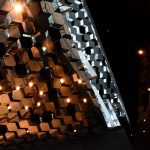
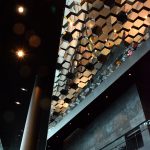
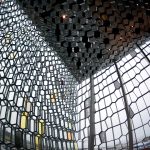
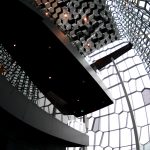
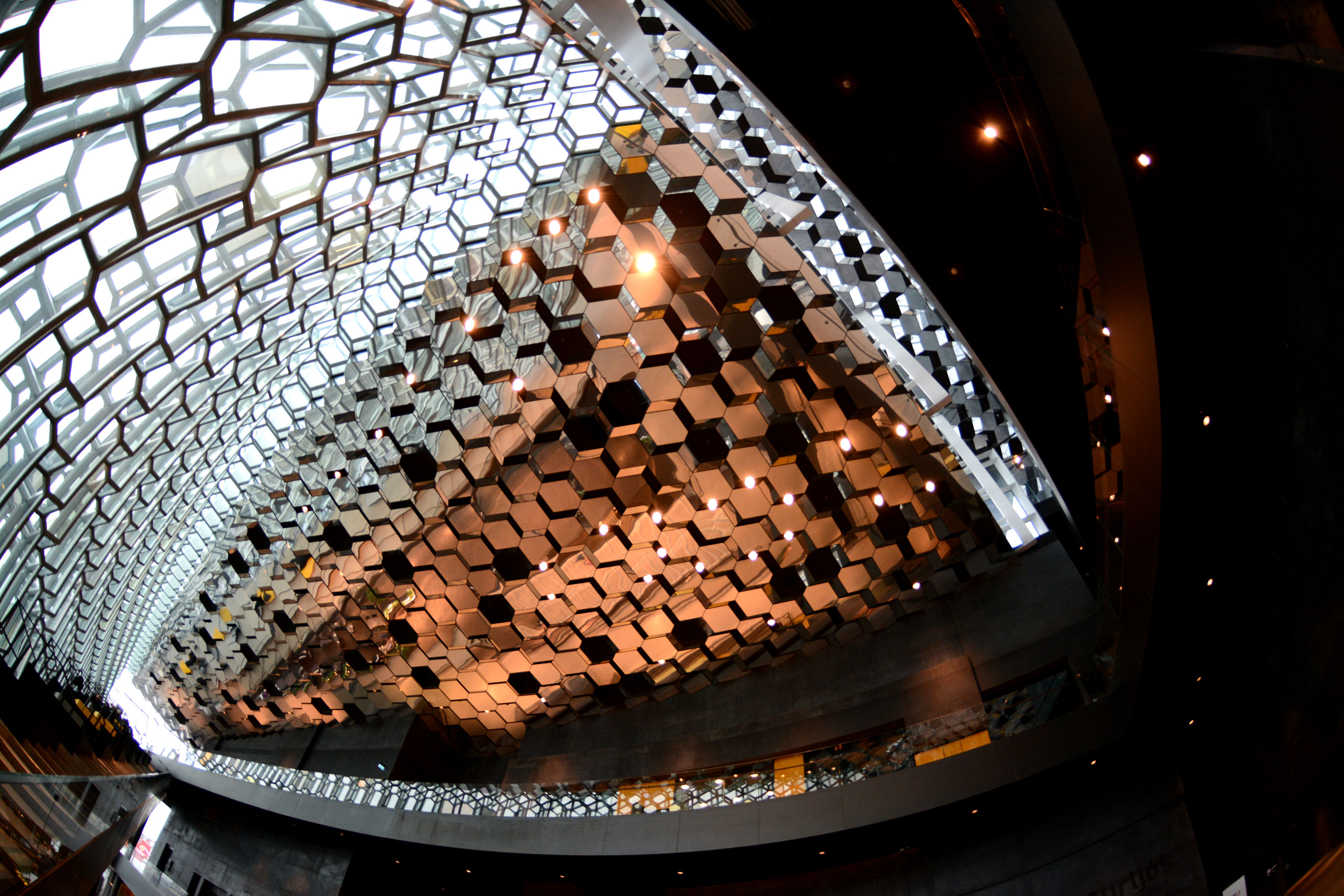
I am in love with this structure and the space it creates. The reflecting glass making up sections of the ceiling remind me of the mirrors inside large telescopes on mountain tops. The multi‐level lobby makes for amazing views inside and out.

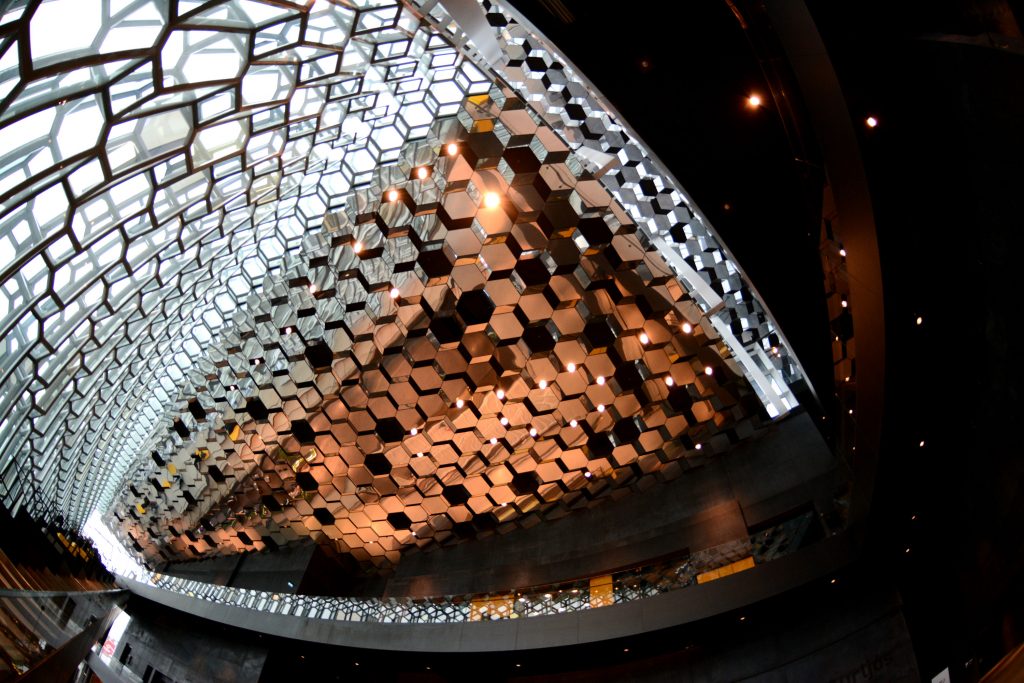
There are so many angles and hard edges with lines everywhere going everywhere, so it’s time to bend them all: fish eye lens—go!

Whatever event was occurring at Harpa started up and the lobby emptied. I now had the place to myself—despite arriving being alone.

It’s just after noon local time. I have been exploring on foot since arriving at the bus terminal six hours ago and arriving in the country after a near‐sleepless flight after a sleepless night back home. I feel… incredibly strange. But my room is ready now—just in time for a nap.

And one more picture of Harpa.
Reykjavík: Art Museum

Contemporary sculpture—with jet lag, cabbage, and marshmallows.

One of the reasons I decided to stay where I stayed in Reykjavík was it was near a couple of galleries, and I thought it would be good to have some indoor things to do while in the city. The first gallery opened at 10AM, it was just after 10, and it was just starting to rain heavily.

I have no idea what will be in the gallery, but it will be warm and dry, and I know there will be interesting things to look at and ponder at, so I get my ticket bought and camera out and start to wander. And as I start to wander and warm up out of the rain, I feel how tired I am—shapes and colours will be just my speed.

But it’s not to be. The first stop is a room featuring work by Yoko Ono. There is a lot of text to take in, lots of thinking and self‐reflection, and my level of fatigue was having none of that. The art ground the gears of my tired mind, so instead I took in what I could take in, and enjoyed the surrealism of having what felt like the entire gallery to myself.

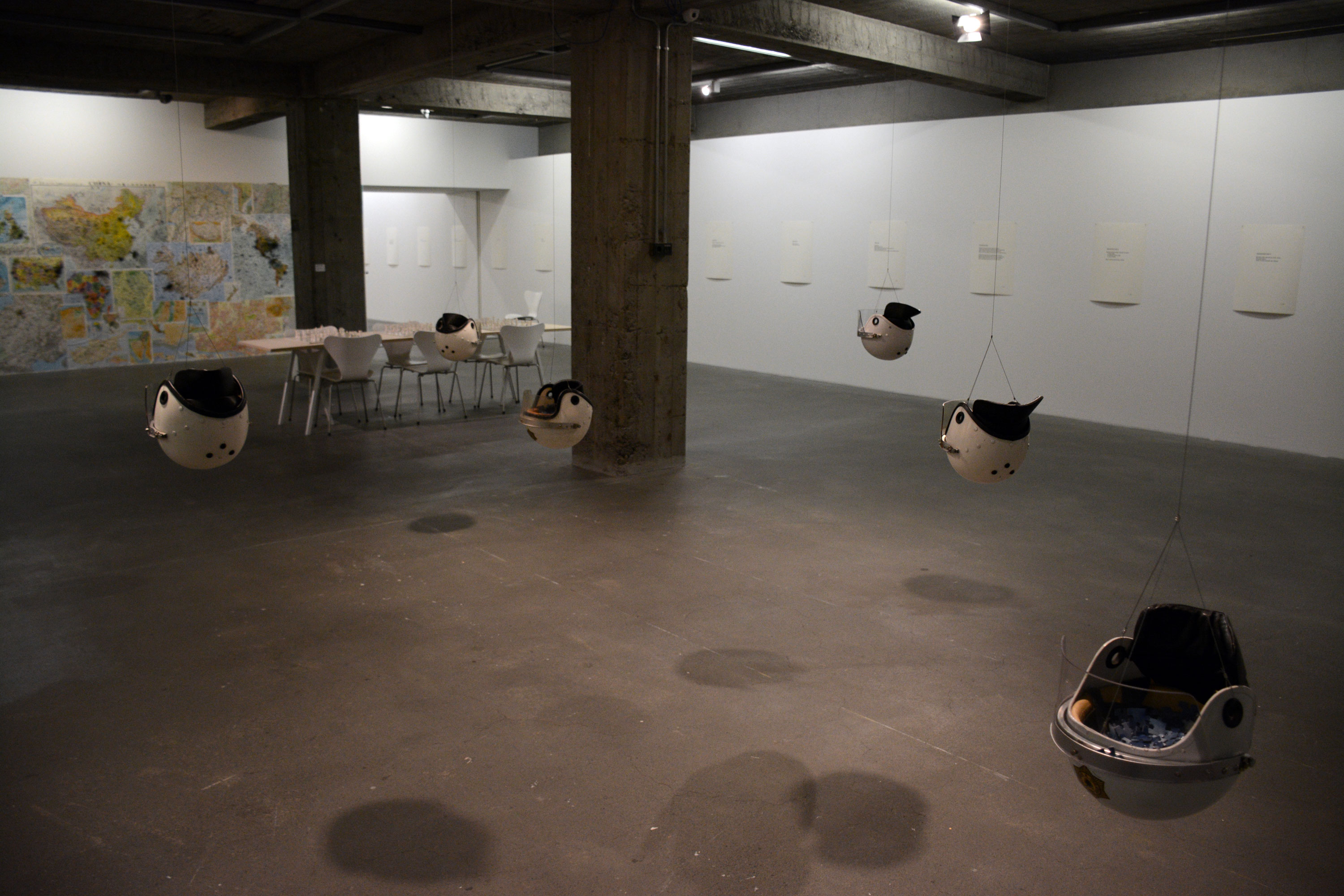
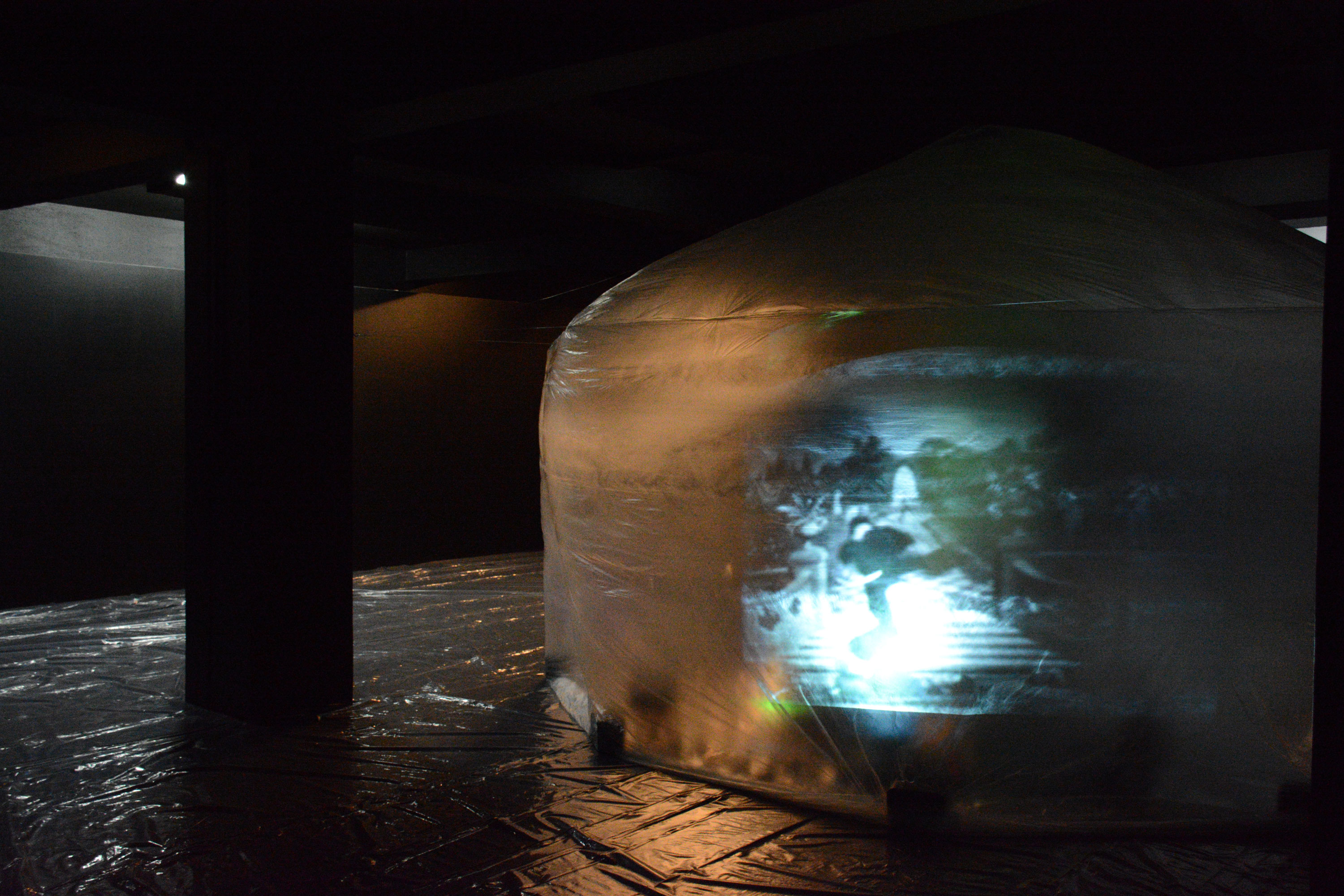
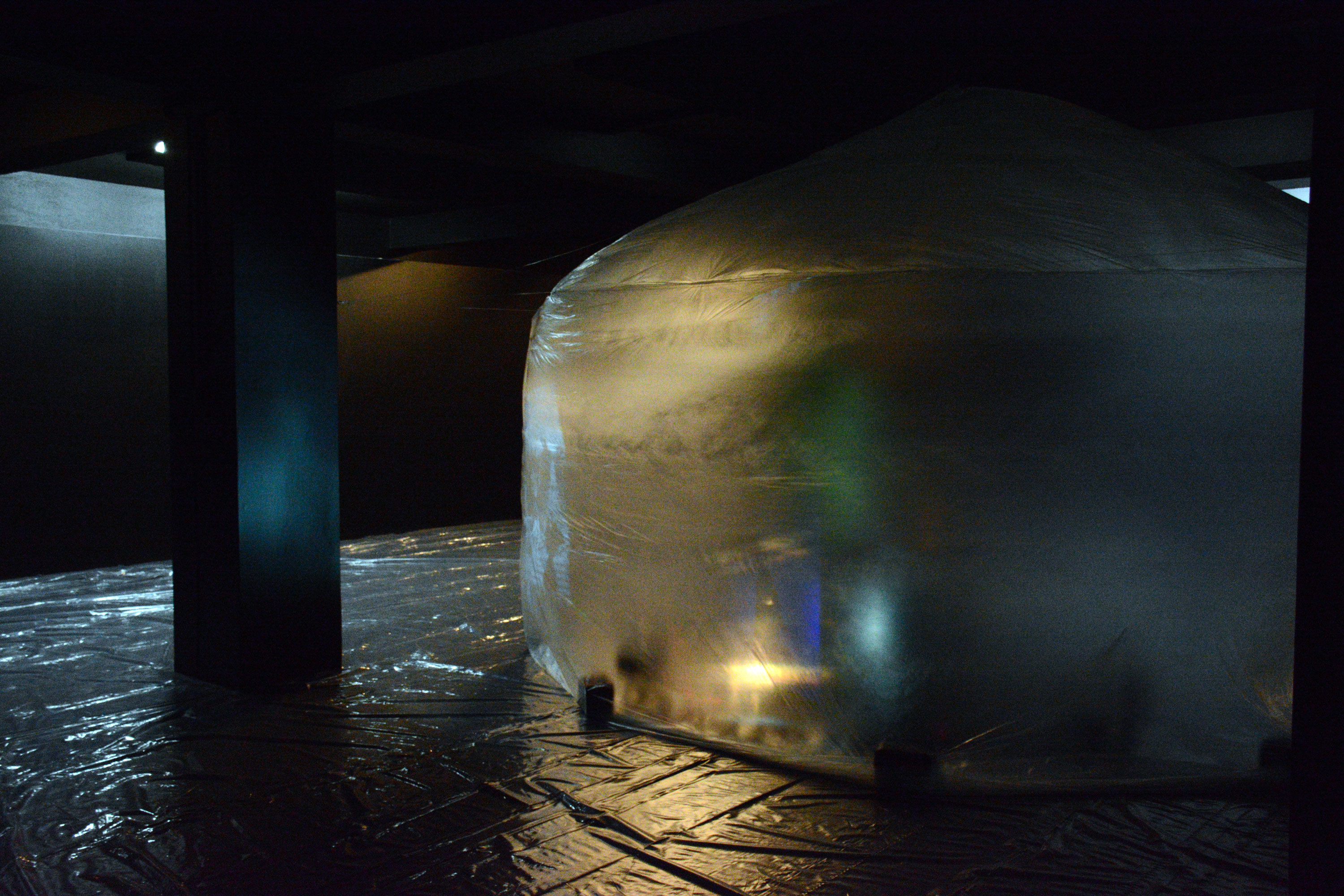
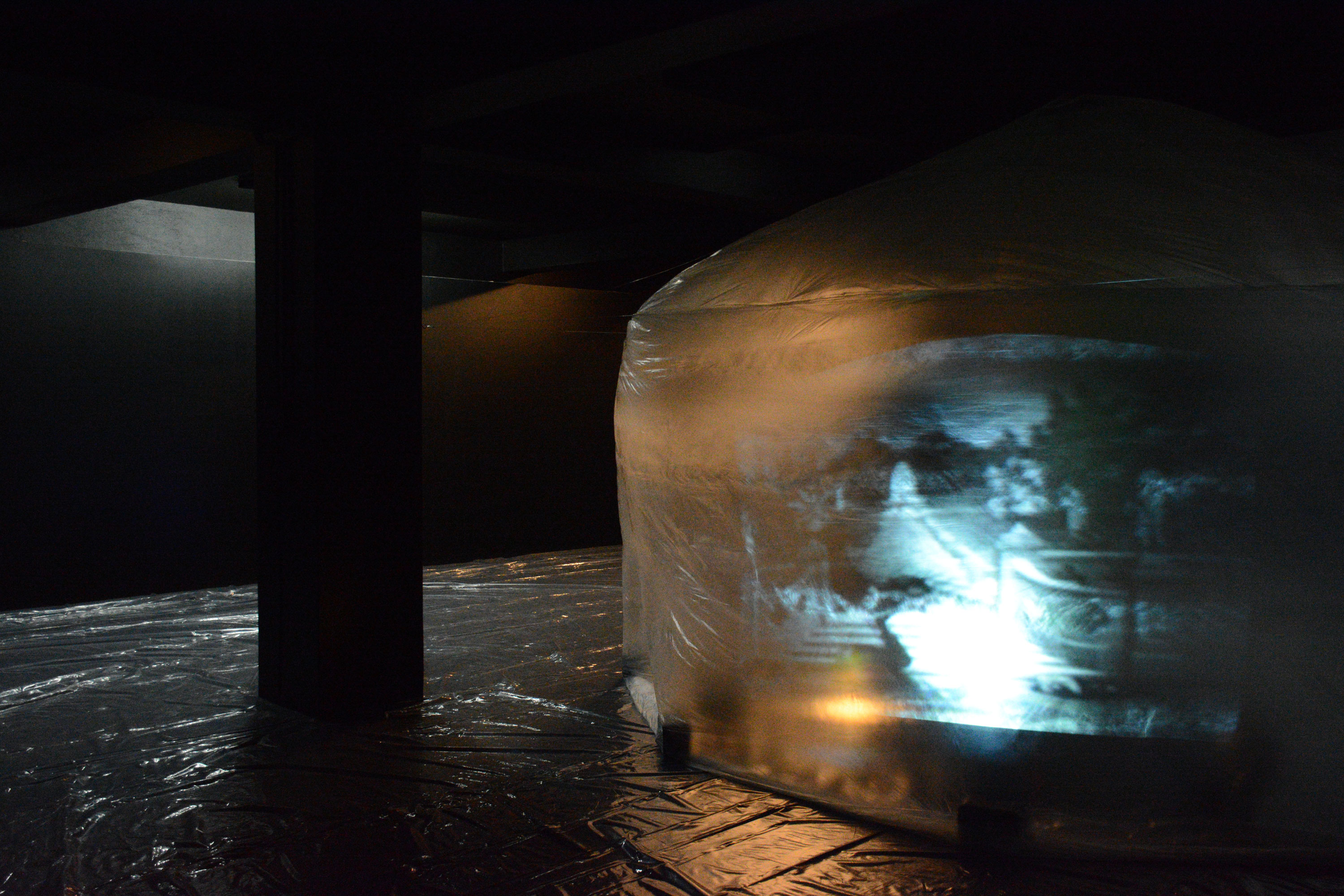
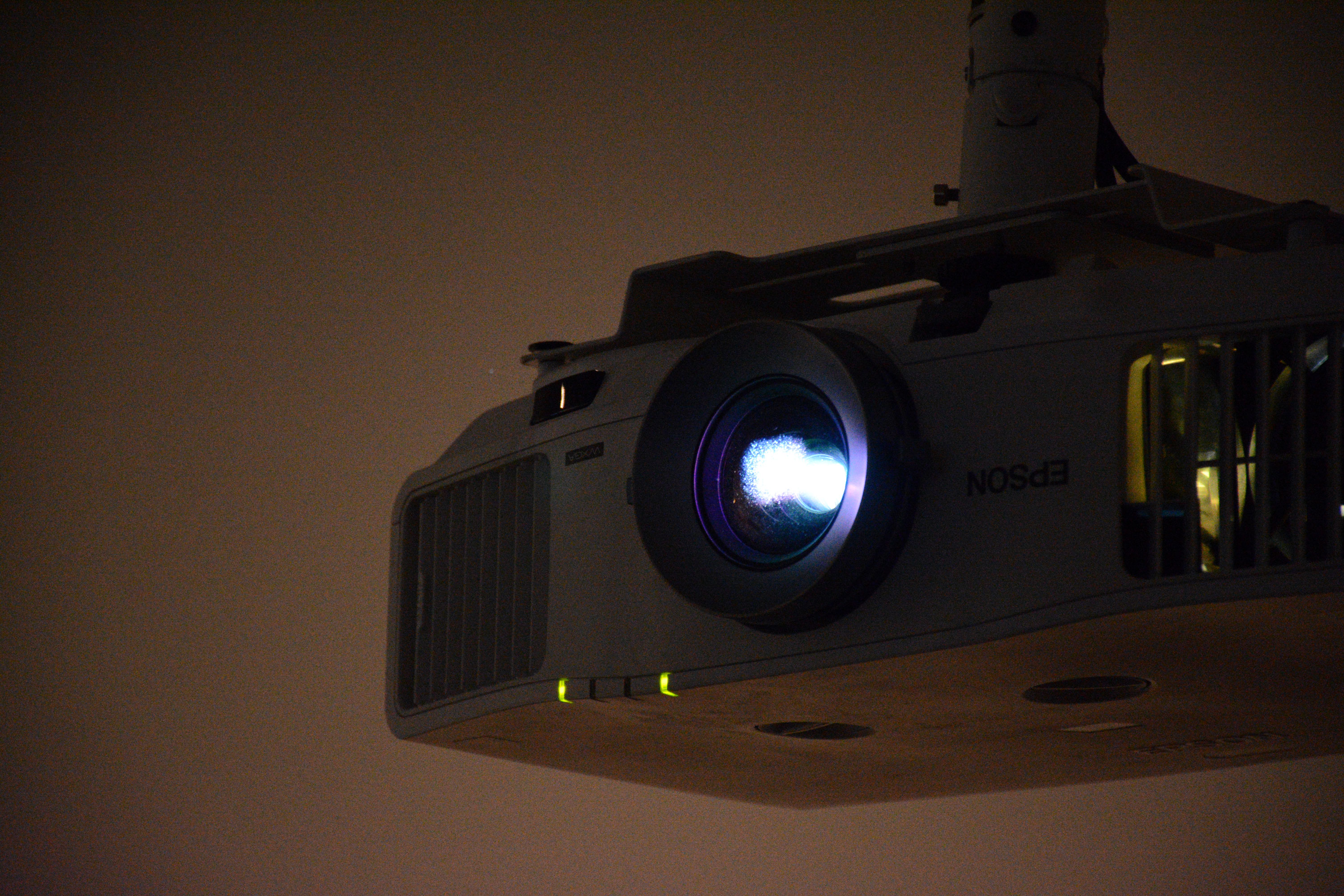
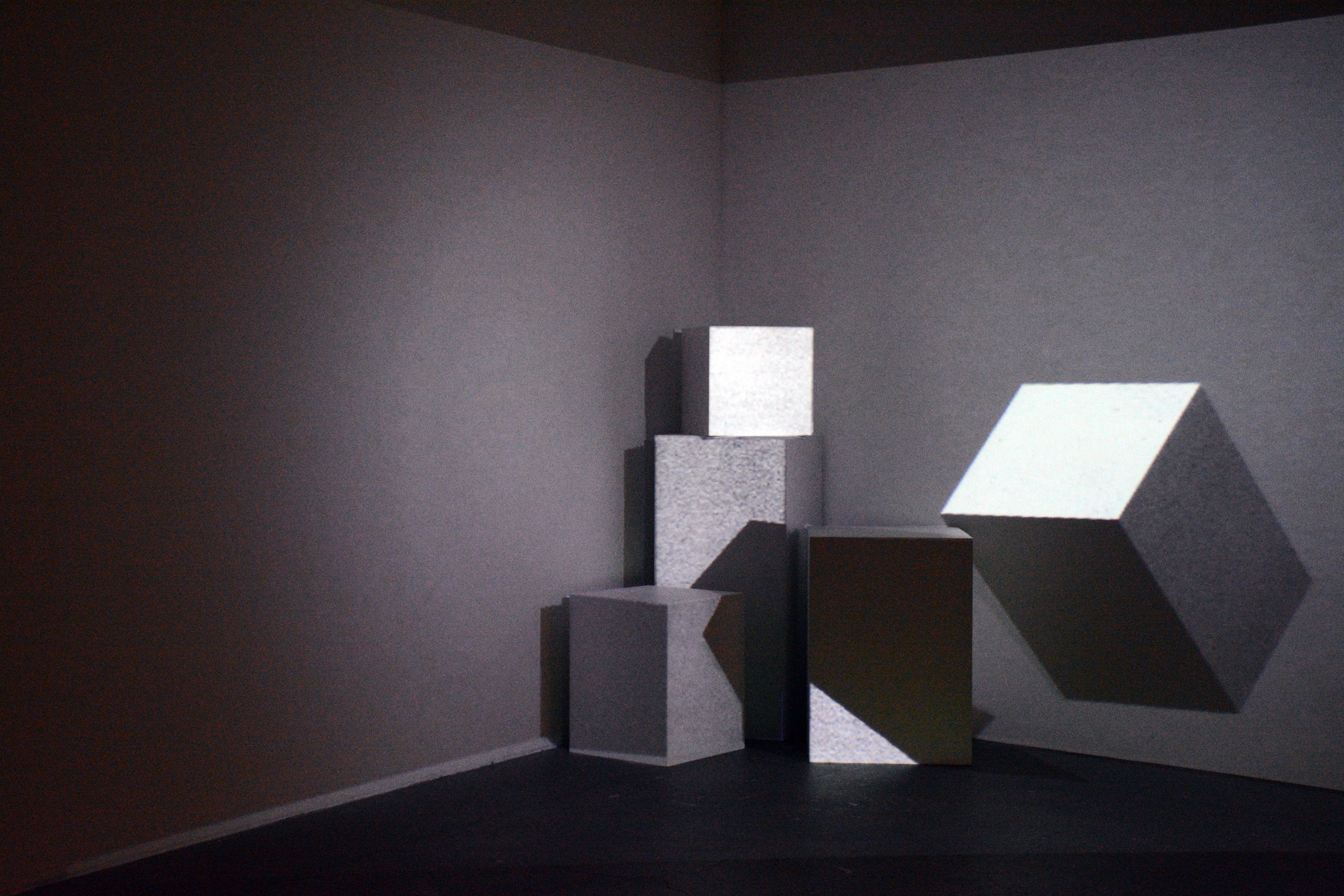
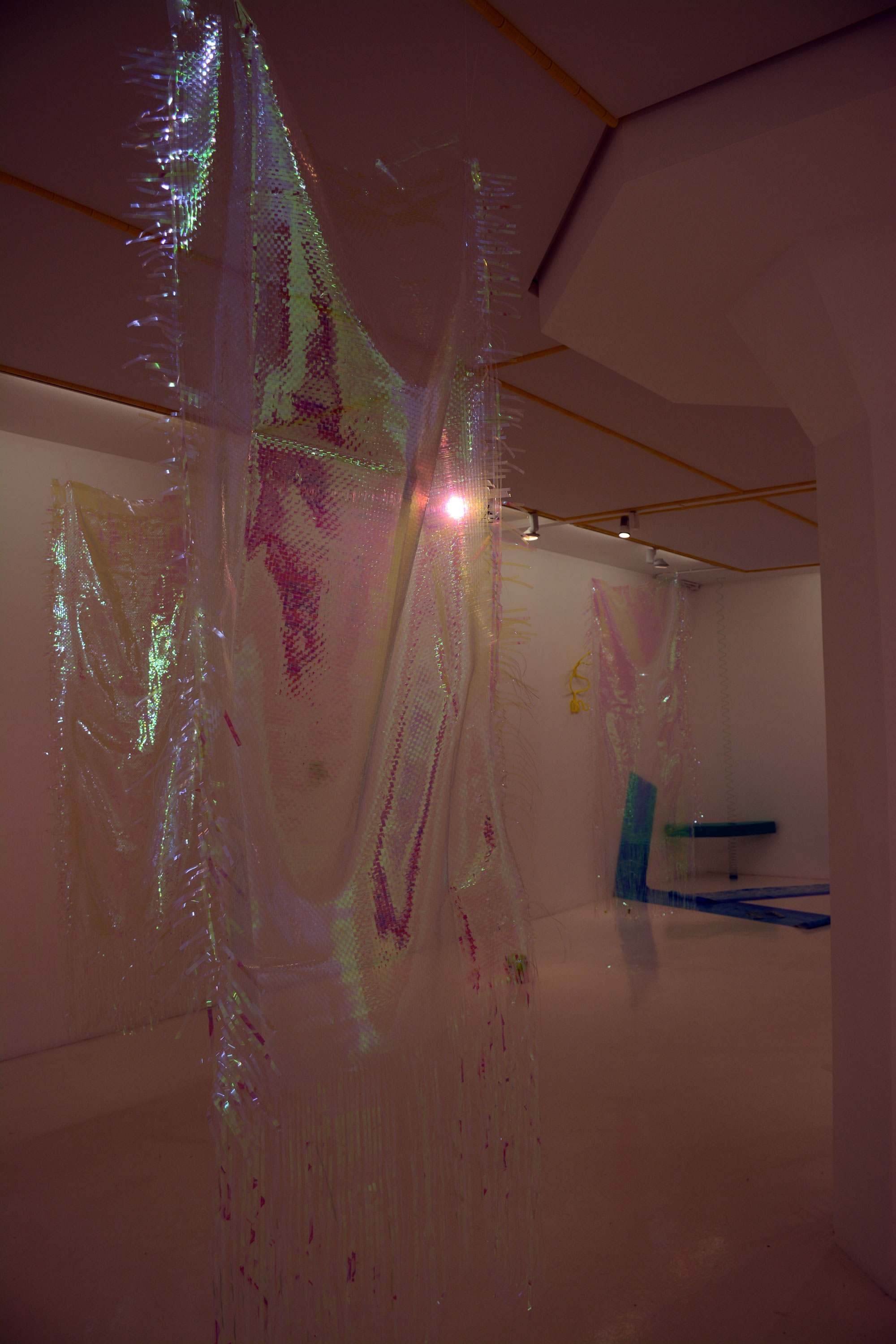
In the next room—having left the Yoko Ono exhibit—some sort of reverse film projector carousel positioned awkwardly in the corner…

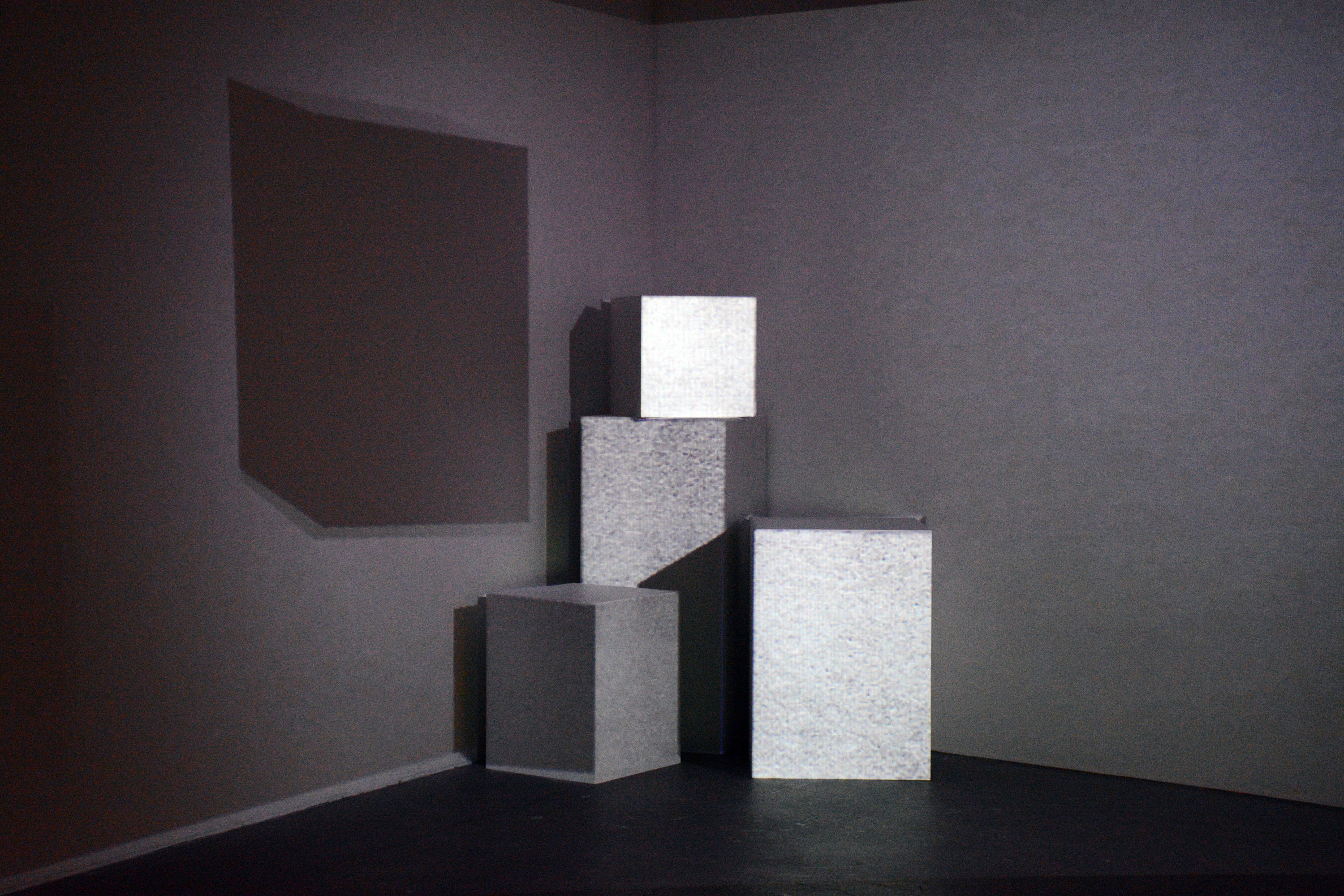
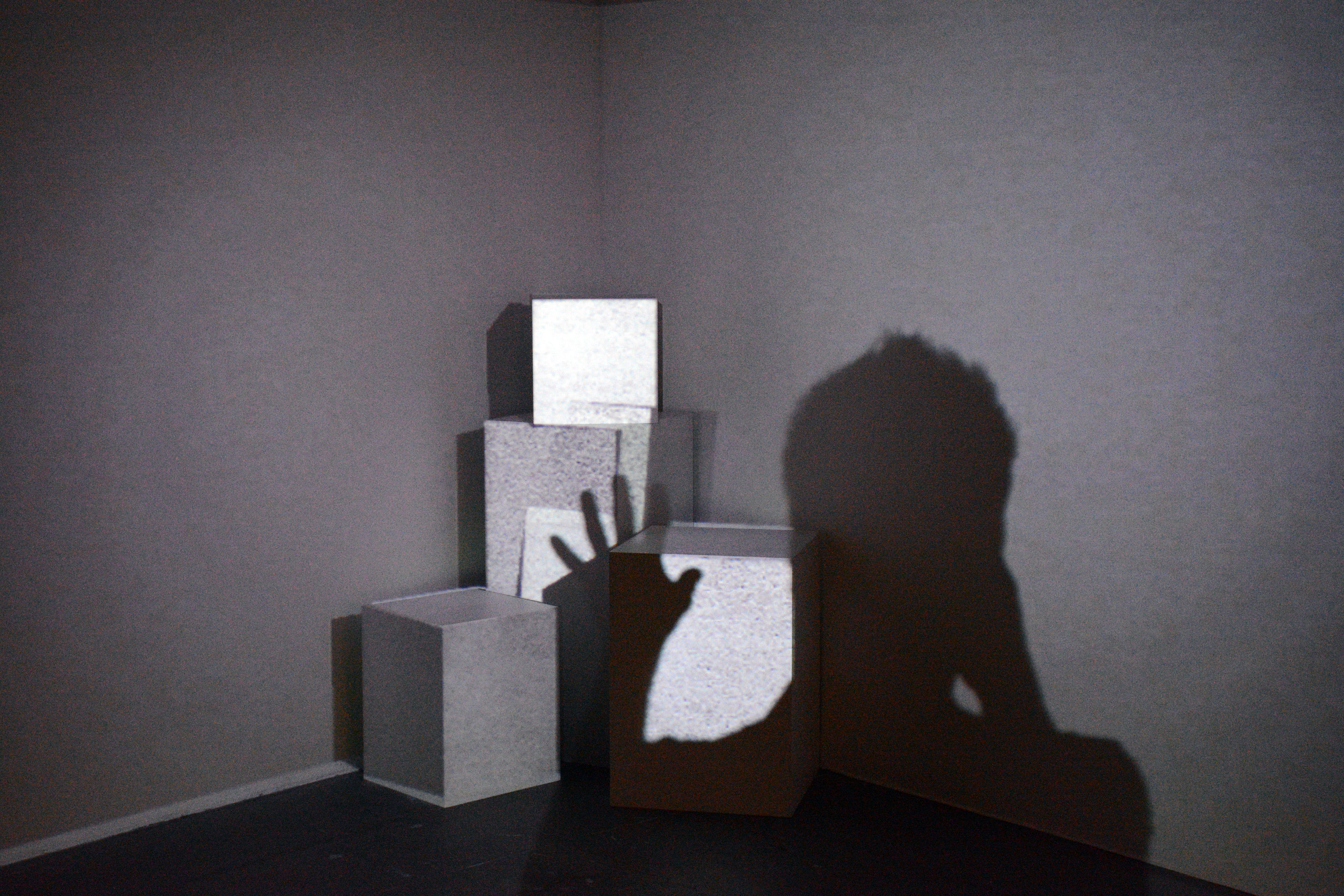
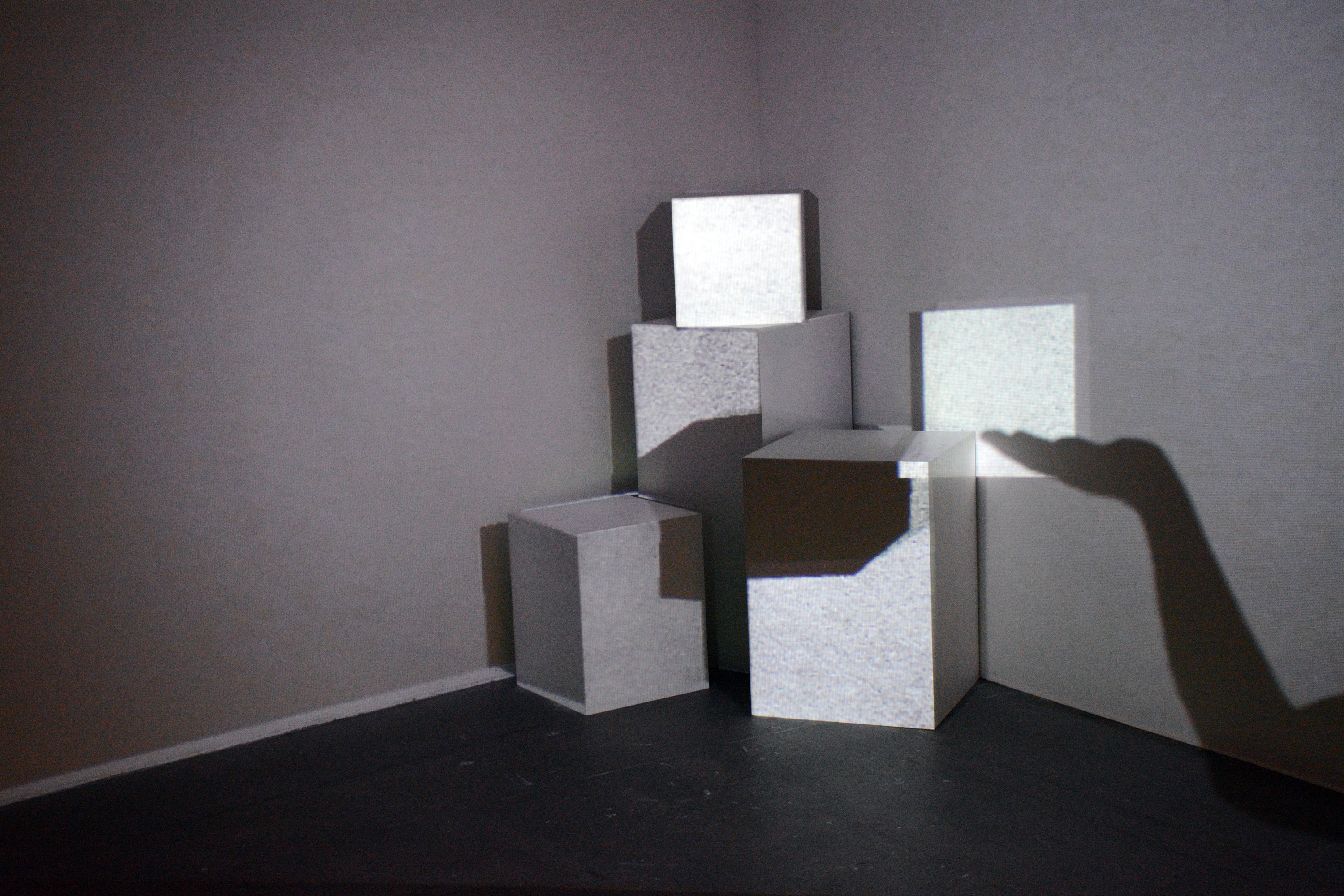
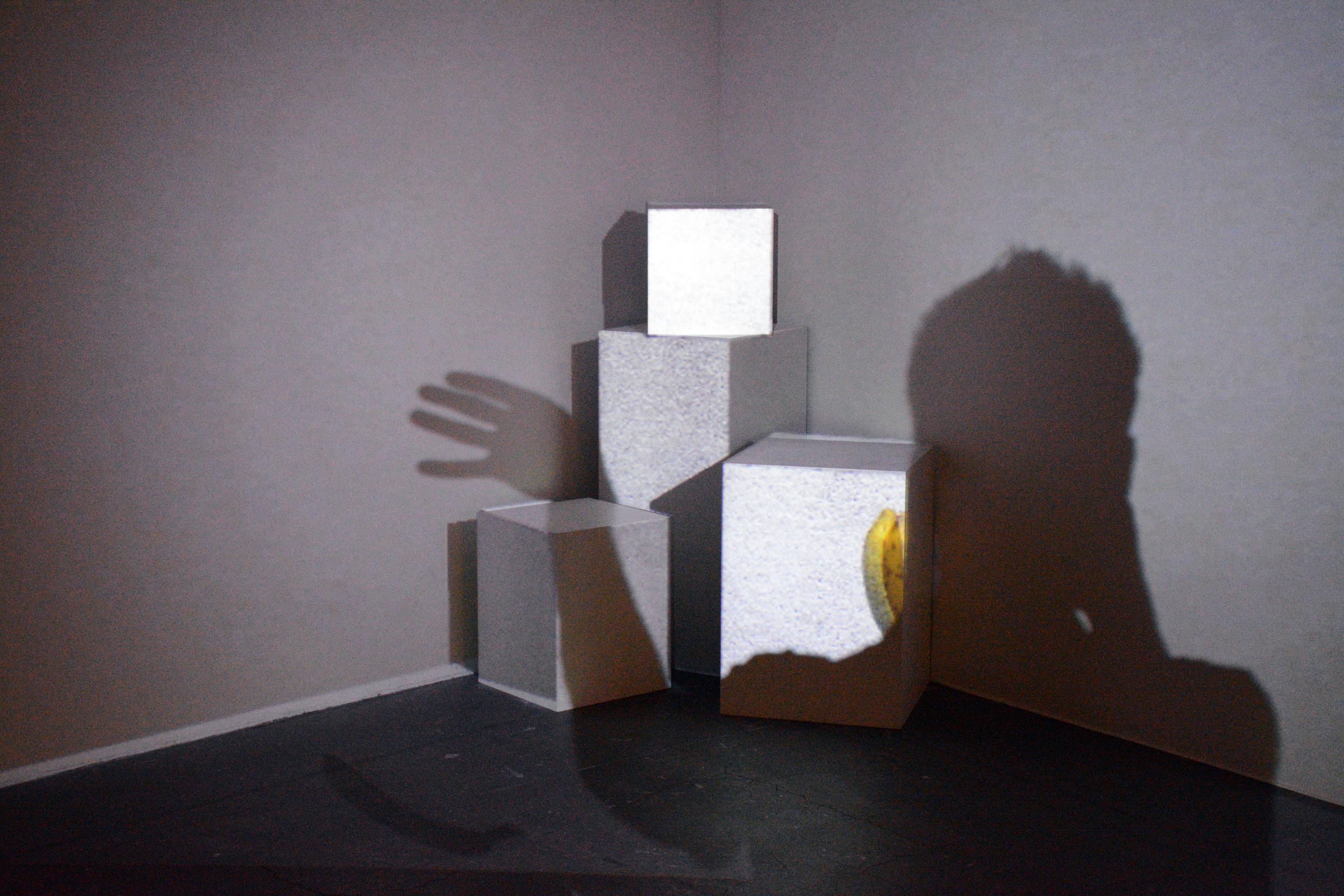
After that: another projected piece—this time a texture is projected onto simple boxes placed a little less awkwardly in the corner and then the textures fly around with sound effects as they swap places. The fun part about this piece was being able to interact with it by standing in the way of the projector. And then a banana appeared—my sleepy head and caffeinated mind appreciated the banana, but it was hard to photograph.

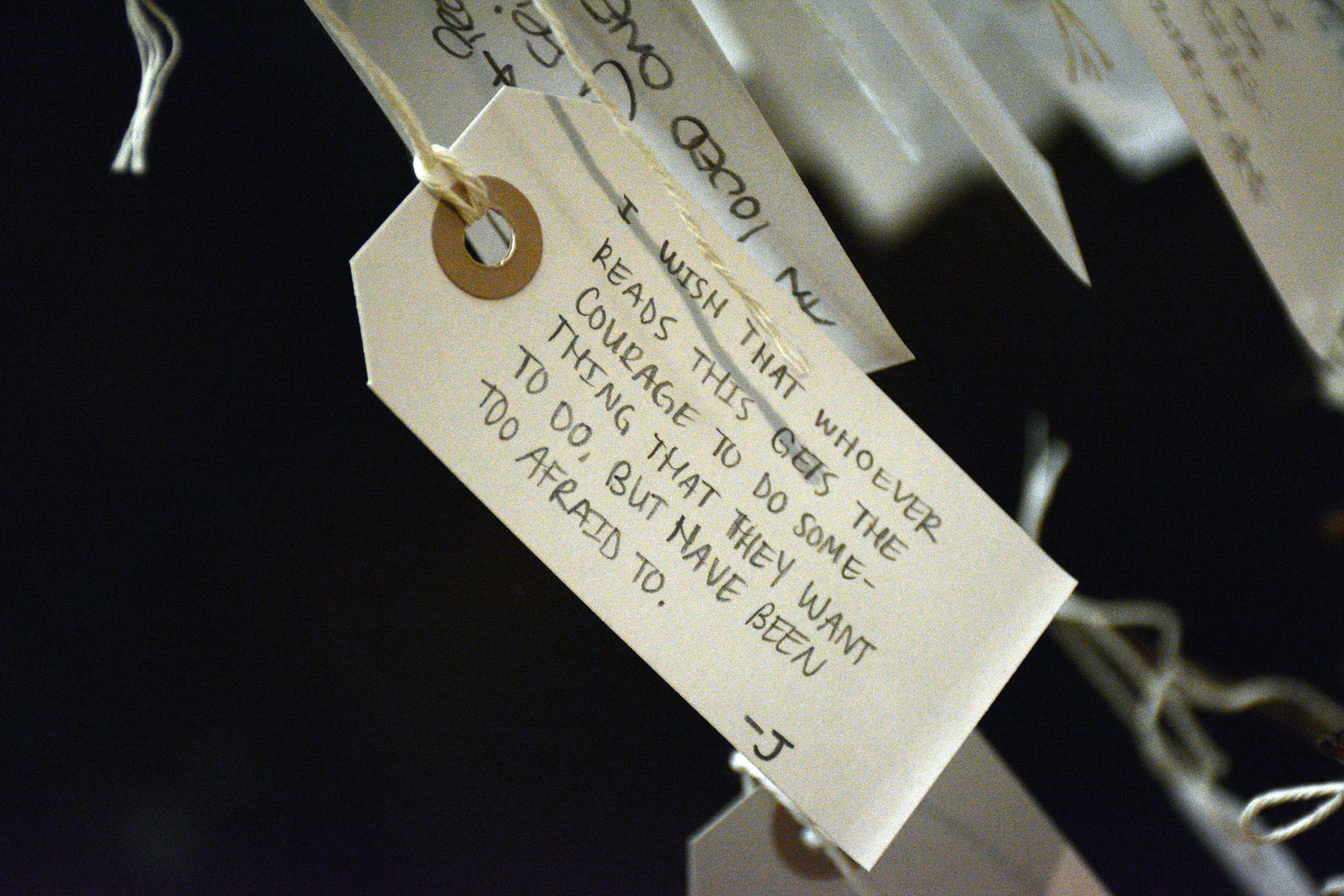
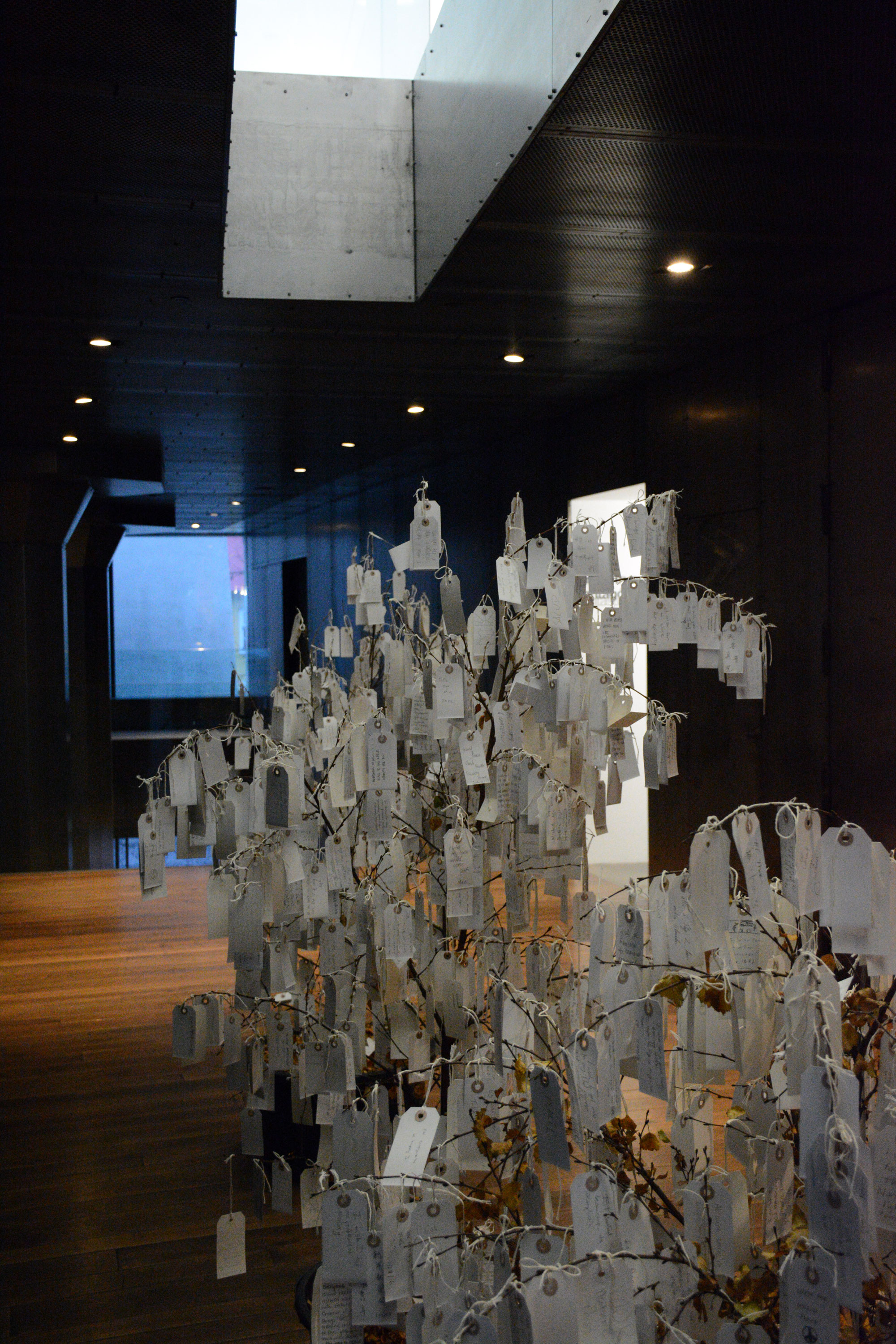
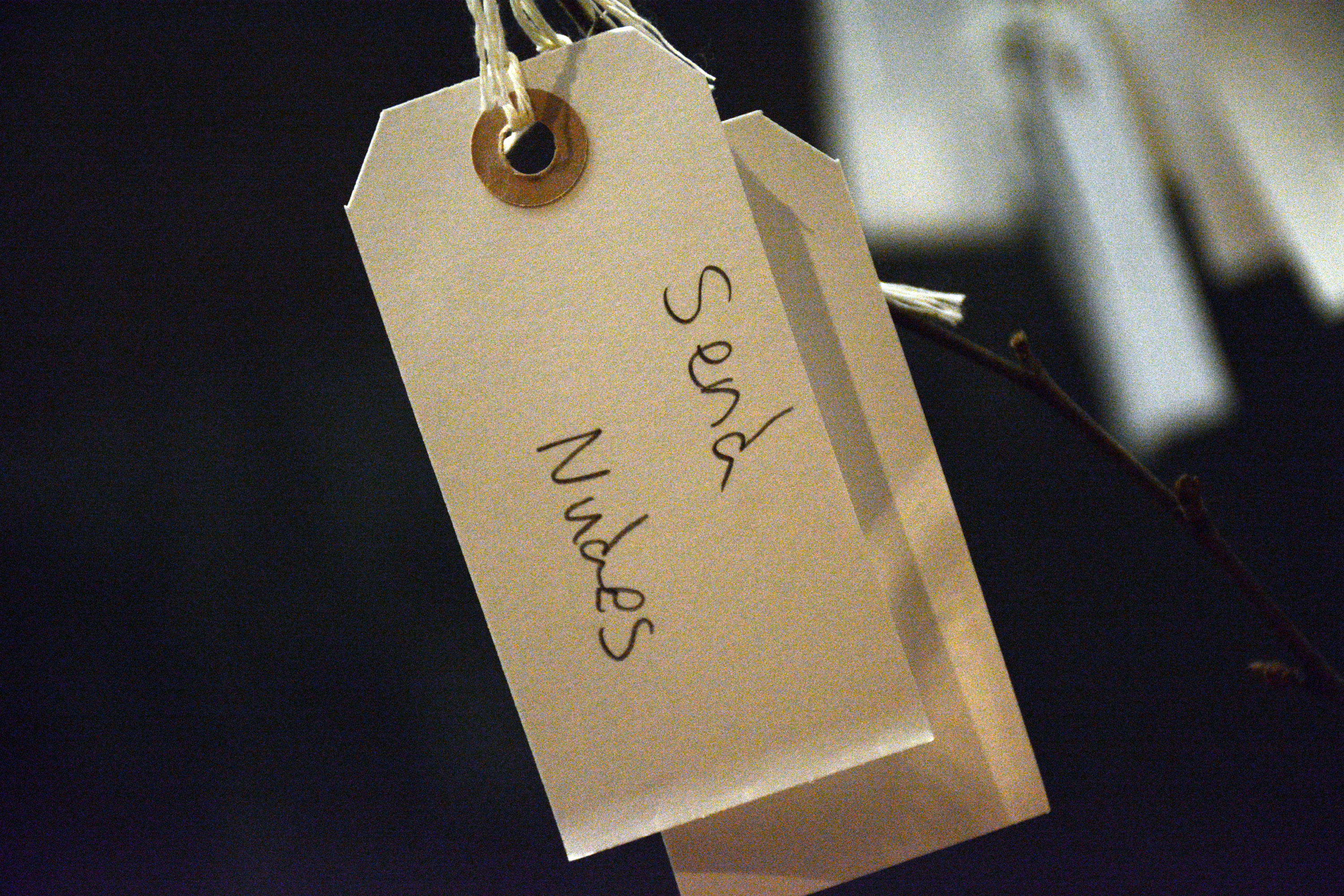
Out in the hall were wishing trees where visitors were to write a wish down and tie it to the branches. I liked the idea. Being able to see wishes in other written languages was a bonus. I also got to see the full range of English wishes: everything from the altruistic to the ultra honest…
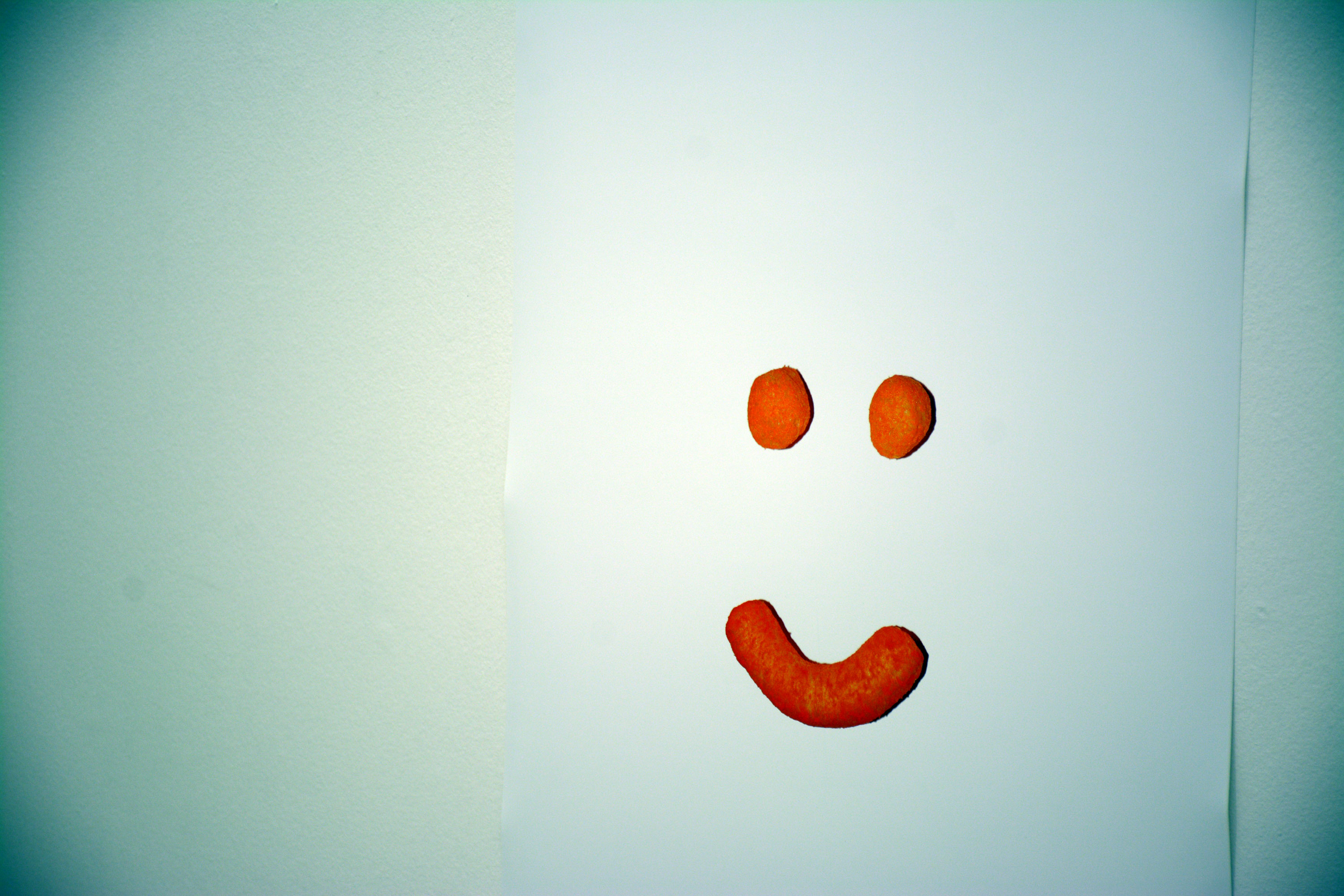
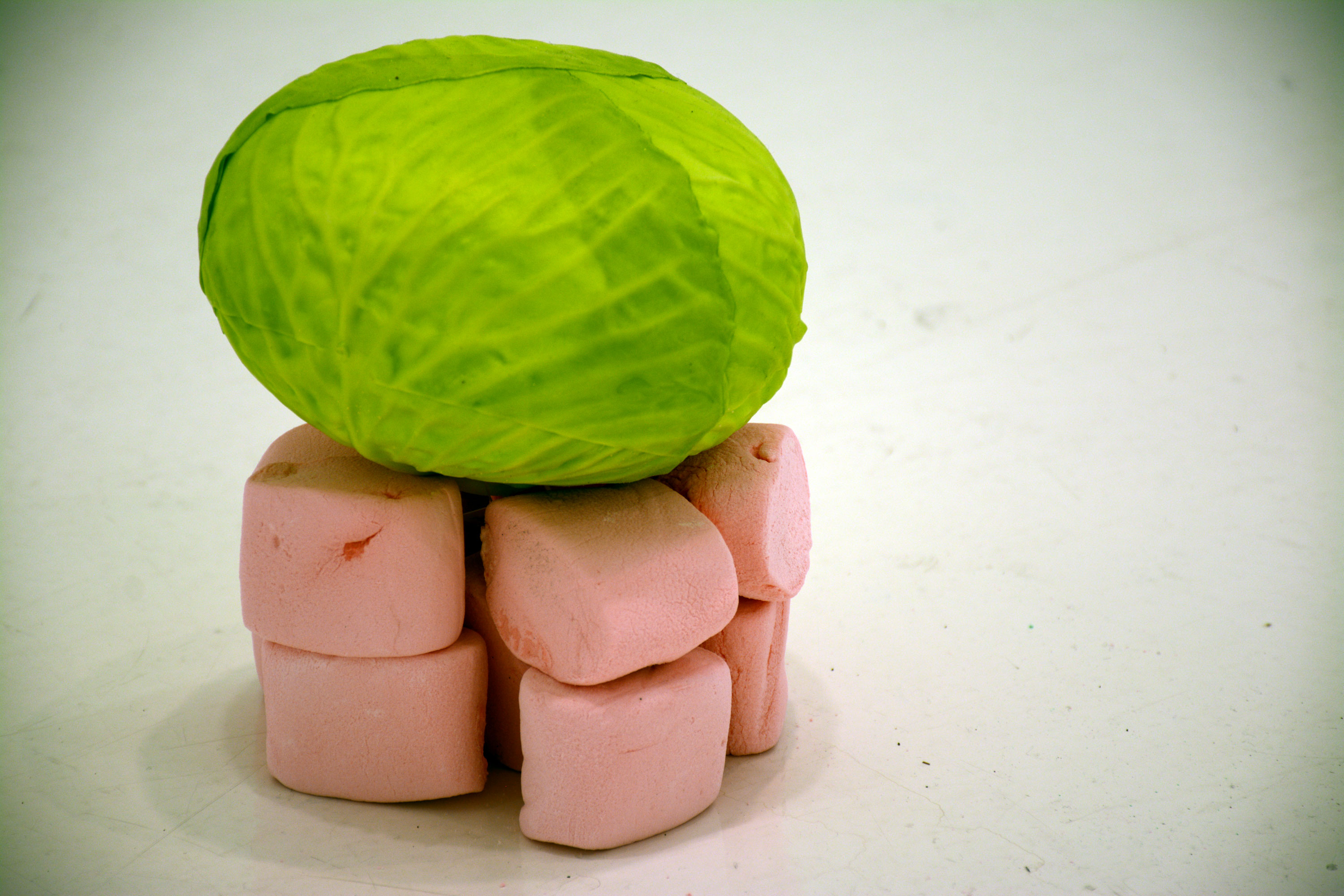
On the other side of the gallery was a room dedicated to more unusual sculpture—perhaps this is the work some would say is confrontational and challenging, work that defies categorization as it redefines it, begging the question: but is it art?

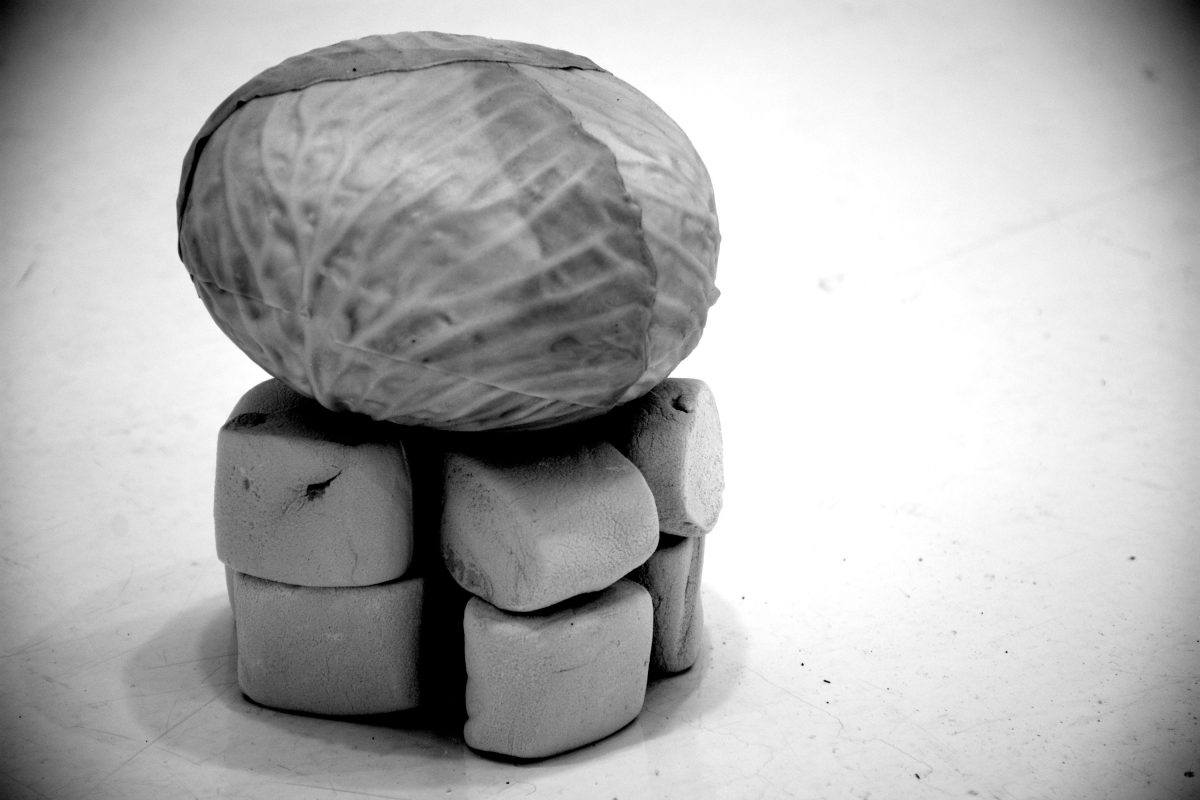
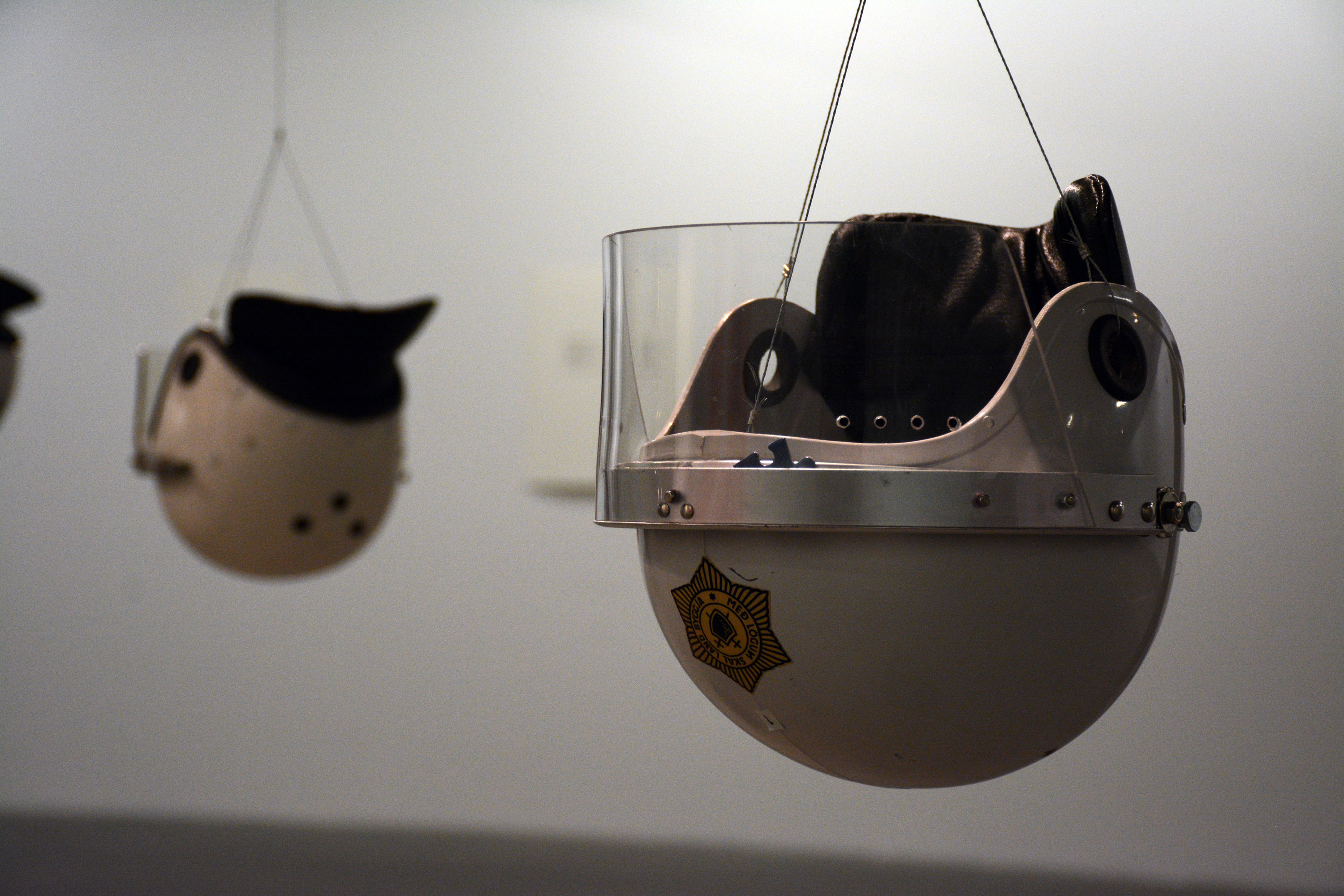
All I know is I’d have never thought one of the first few things I’d see in Iceland was a cheesy smiley face or a cabbage supported by pillars of marshmallows, but I’m glad I did, and I know the world is a better place because those things are in it.
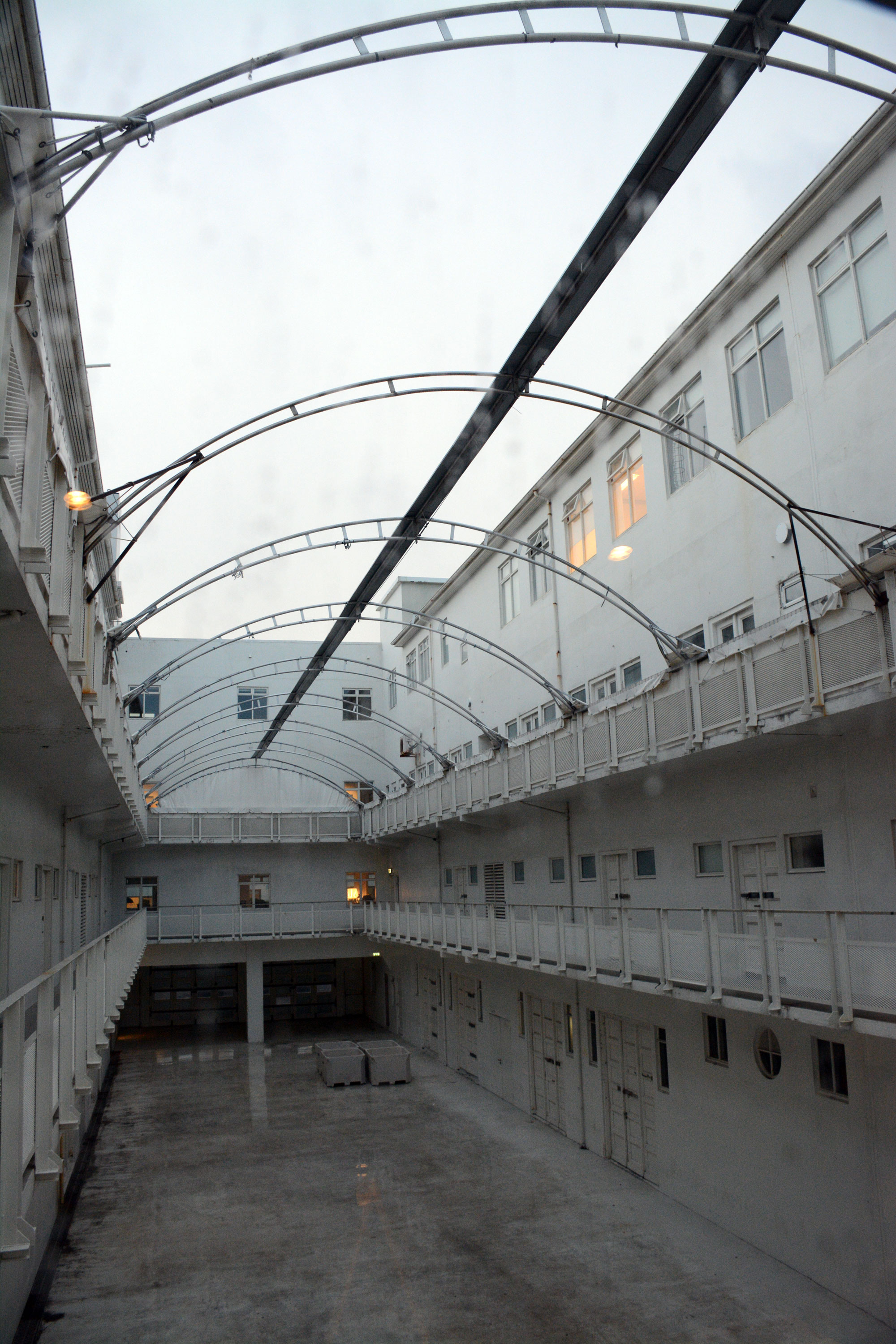
The gallery turns out to be quite small and I’ve seen it all within an hour of arriving. It’s built into what used to be a fishing warehouse, so there are some interesting interior and exterior features of the building catching my eye.

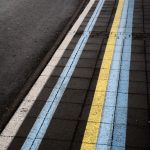
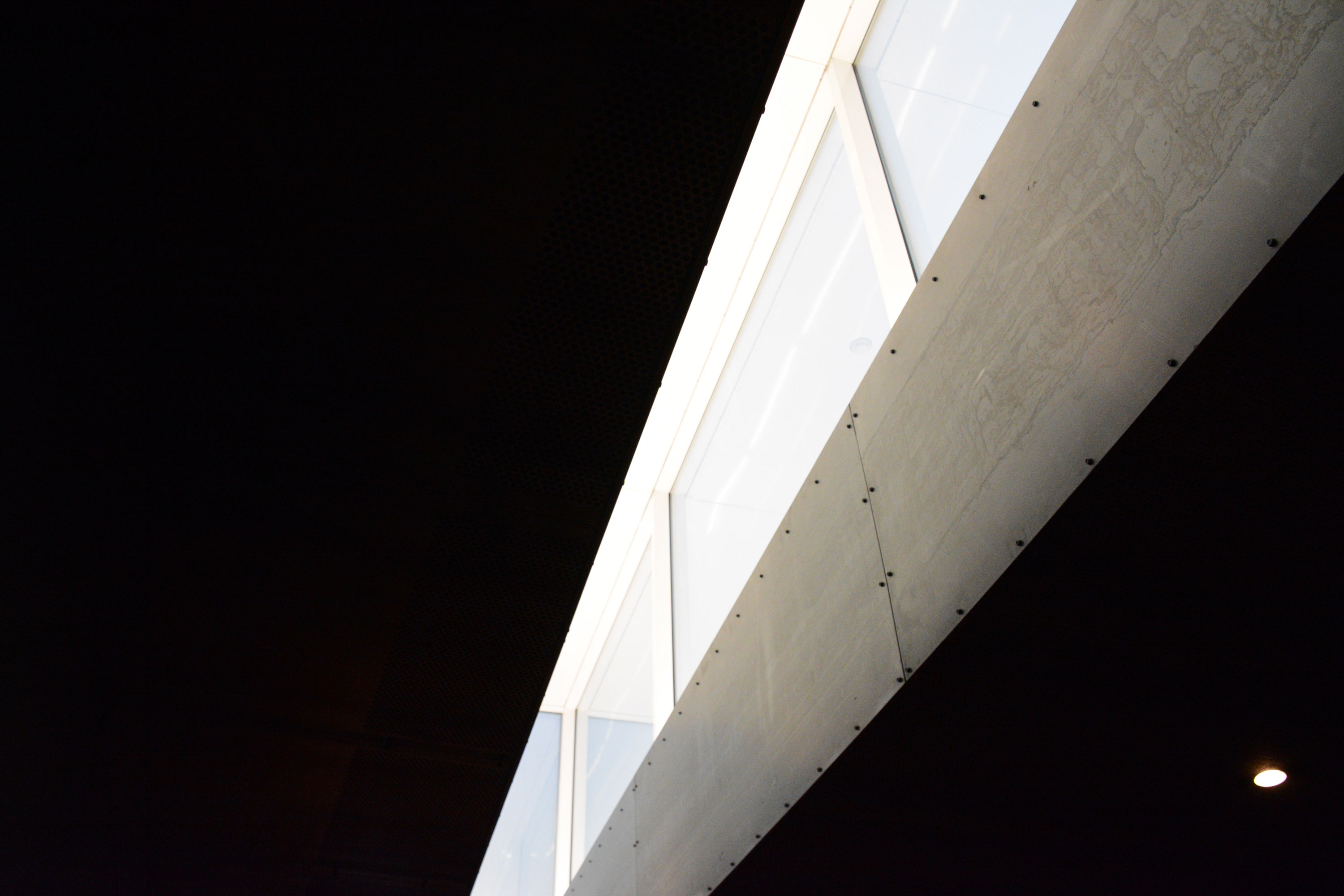
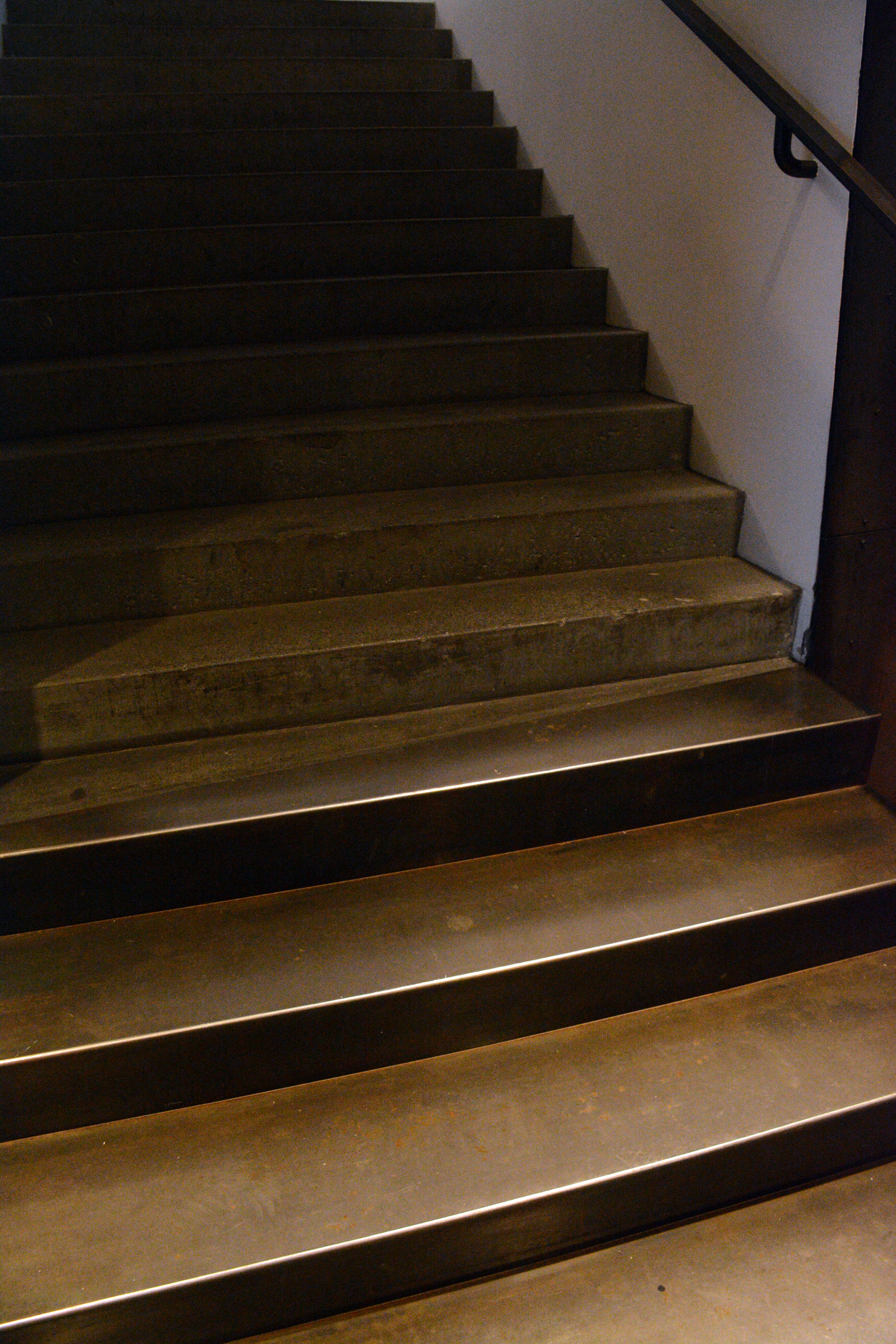
One of the things I like doing with photos lately is framing lines and angles so they become the focal point of the image rather than vanishing into what they are forming: I want you see the lines and forms making up the staircase, for example, but not the actually staircase itself. Or I want the lighting and shadows to create something graphic without any identifiable objects. Photography is often literal: a real sky, a real tree, a real person—I want to take more abstract photos, where colour or texture or form are just those things and it’s more difficult to figure out what the photo “is” of.

The weather looks to have improved—it’s not raining at least. I head back into the outside where it’s still cold and damp to see if I can check into my room early. The rest of my body is figuring out its had no meaningful sleep and is confused about when, where, and what time it is.

And it turns out this will be the theme of my time in Iceland…

Halves of a Whole

Yet more than the sum.

I thought I’d posted this a month ago—I guess one of me forgot to…

One of the things I had to do for school was take my own picture for my ID card. It’s the first time I’m using the front camera on my phone, and as I’m starring back at myself trying to get something flattering out of the comically wide, near‐fisheye lens, I realize my face is lopsided and the lens is only partially responsible for my skewed appearance.

With my ID photo sent off, me and my tilt‐a‐whirl face head back to Photoshop to try something I’d read about a while back, about seeing our other faces—the ones hidden right (or left) in front of us.

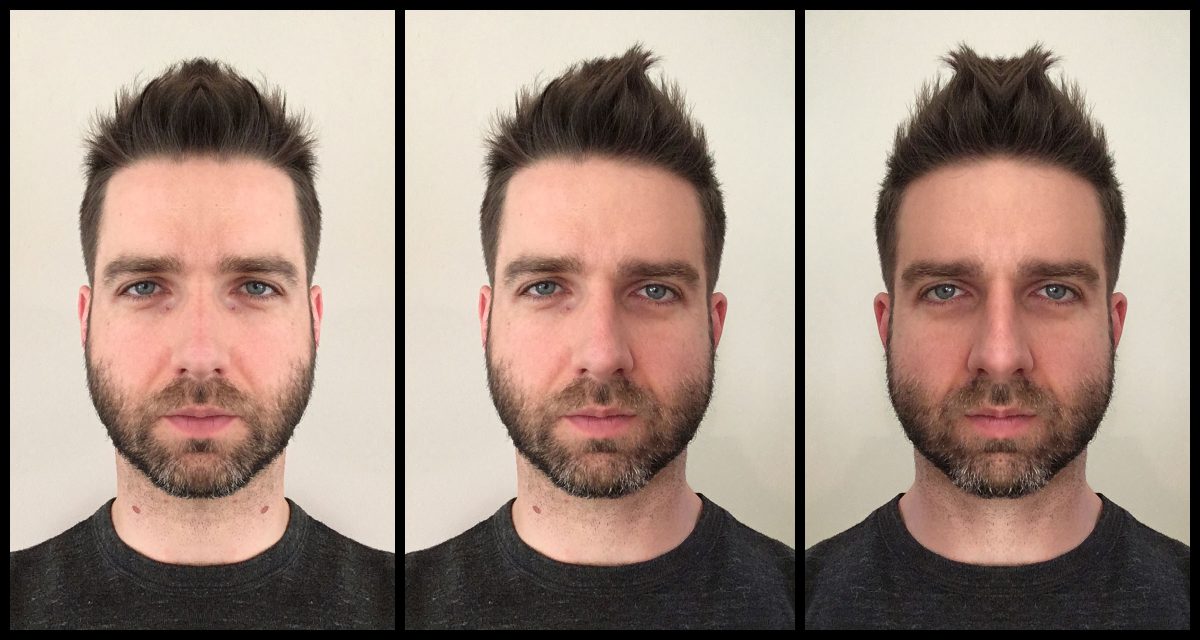
The centre photo above is direct from my camera, appearing as I would if you were looking at me. The photo to the left is my face with the left side copied and flipped to the right side. It’s what I would look like if my right face was perfectly symmetrical to my left face. The photo to the right is my face with the right side copied and flipped to the left side. It’s what I would look like if my left face was perfectly symmetrical to my right face.

The results are curious. Once face certainly looks more familiar to me as me, but the other one, who is also me, isn’t as familiar, but I know is also me.