The only way out is through.
So strange—here I am again, enjoying a quiet drink, listening to Missy Elliot, and writing in my blog. Fun fact: the term blog is a portmanteau—I love getting to use the word portmanteau—of web log coined in the early days of the internet. Another fun fact: the term portmanteau was first used to represent the packing together of the sounds from existing words to create new words in Lewis Carroll’s Through the Looking‐Glass.
Back to why this is so strange—and this I realize is on the heels of my post decrying the phrase this time last year, but, nonetheless—and I love getting to use the word nonetheless—around this time last year, I was also enjoying a quiet drink, listening to Missy Elliot, and writing in my blog.
But I wasn’t—I’ve checked just now. The post I’m thinking about, where I reference drinking and Missy Elliot is from… the end of May. May 30th. I’m off by three months. I had myself going there for a little bit. It was nice—
I woke this morning to a txt from myself, and I love getting those because it means there’s something fun waiting for me from my past self who for whatever reason felt I wasn’t going to be able to remember whatever amazing thing I realized in the night and didn’t trust to not forget while I slept. And if the previous sentence is any indication how my waking mind functions I totally get why I do this. There have been times in the night when I’m not sure I’m awake or sleeping. It used to terrify me, but now I just go with it—I look at it as an opportunity to interact with myself in a new way. These are the times when I’ll write the most notes and then find them the next morning and try to figure out what they mean, but this time I sent a txt. Check your phone it said.
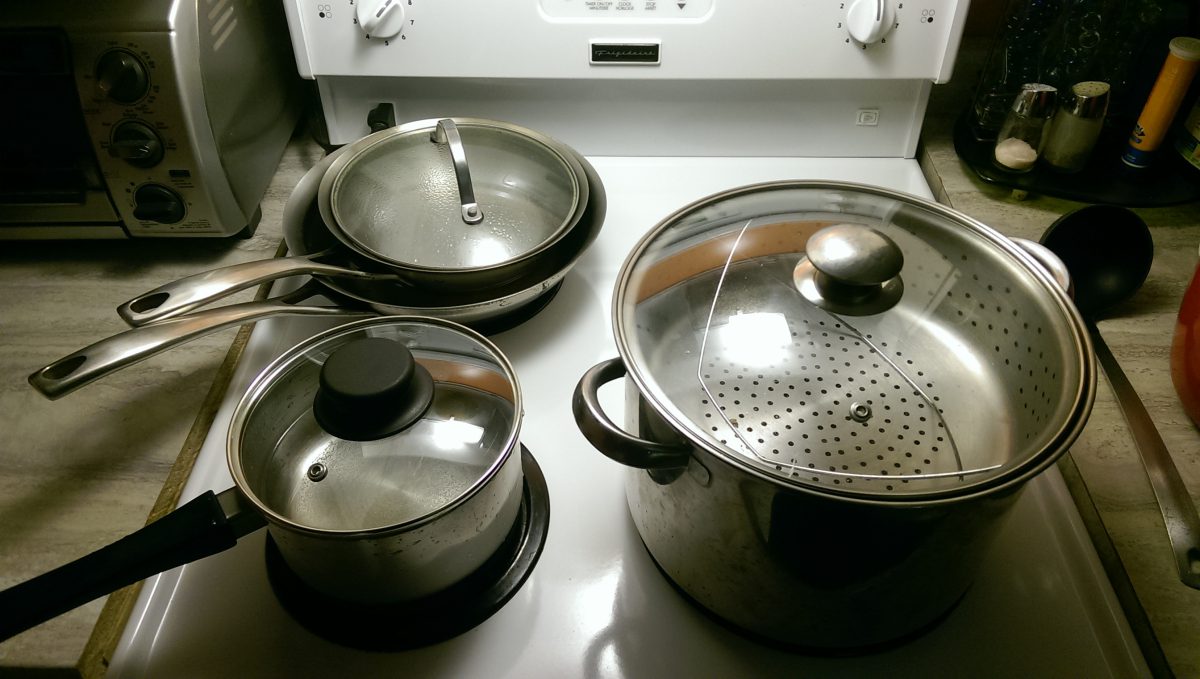
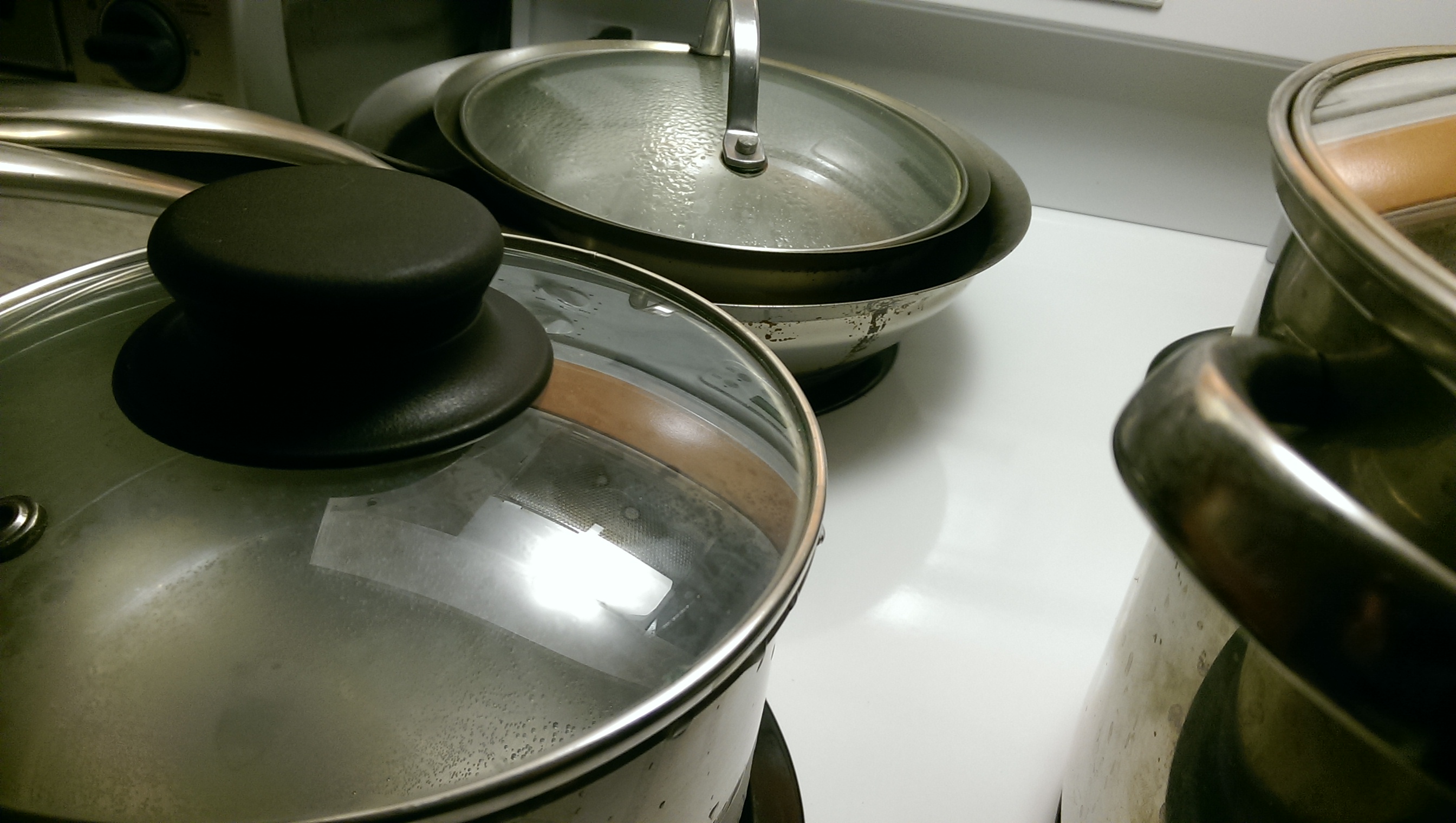
So I did. And I found a series of pictures, starting with the featured picture for this post—a shot of pots and pans sitting on the stove. Then I remembered. I was making a snack in the middle of the night, at 2:46AM according to the tag on the picture. I was waiting for the water to boil in the pot on the near‐left burner. There was nothing else for me to do, so I remember watching the pot intently, knowing there was no explainable mechanism for my gaze to prevent it from boiling. The camera’s perspective at this point is that of my own—I’m going to watch this pot boil. And it’s going to be amazing. Yes—it’s all coming back to me…
I can’t help but notice other things in this view. I’ve aligned the handles of the pots without realizing it. Each glass lid is reflecting in a different way the same light from the hood above the stove. Then all I see are the round forms—circles everywhere set off against the hard lines of the stove itself and the counter edges. The composition is pleasing, so I take a picture of it with my cameraphone.
The resultant image is flat by comparison. Something’s been lost. It’s just not as good as it was when I was looking at it through my own eyes compared to the camera’s. I don’t see the circles any more. The pleasing circular forms contrasted with sharp edges are just pots and pans on a stove. What happened?
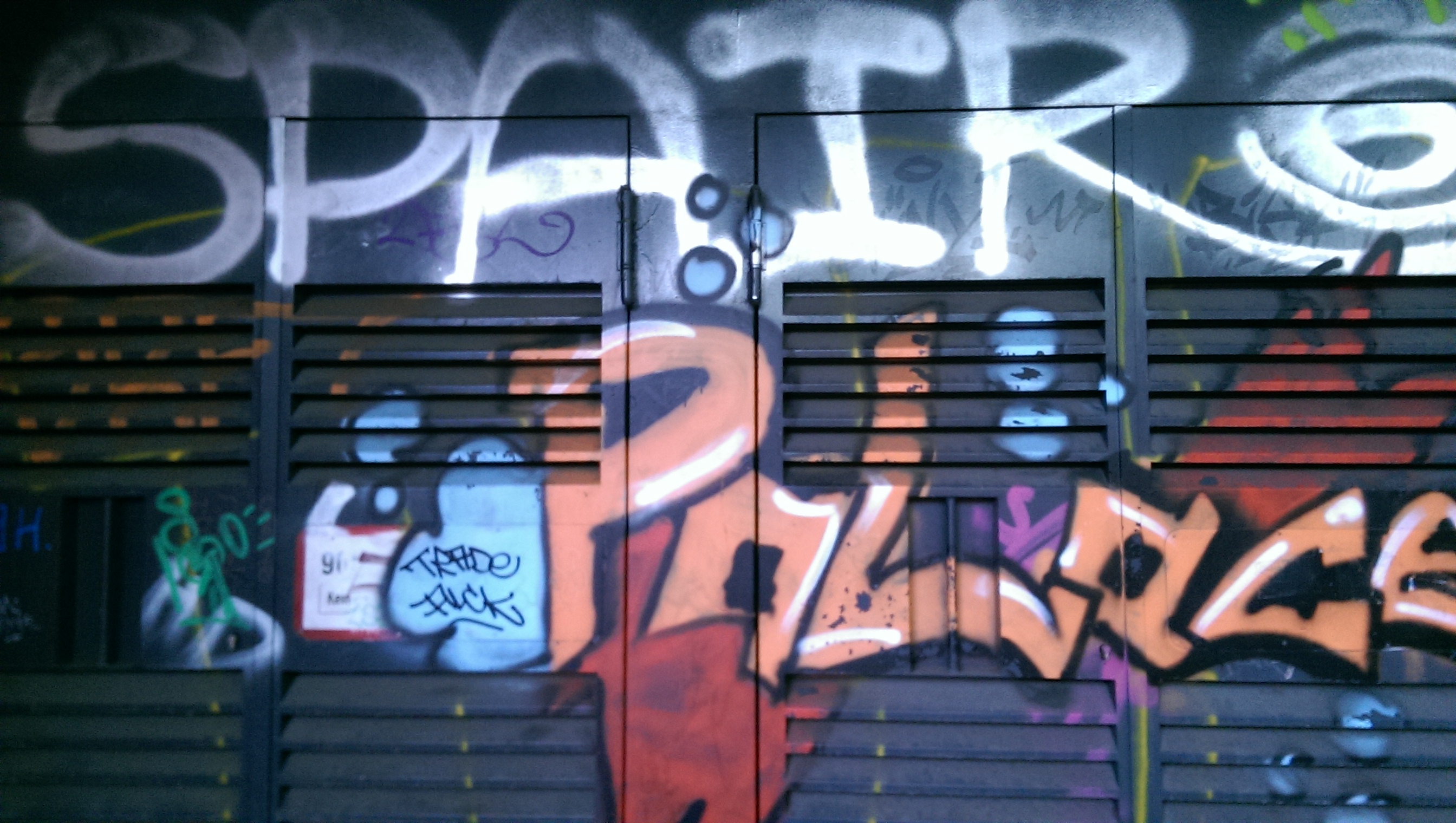
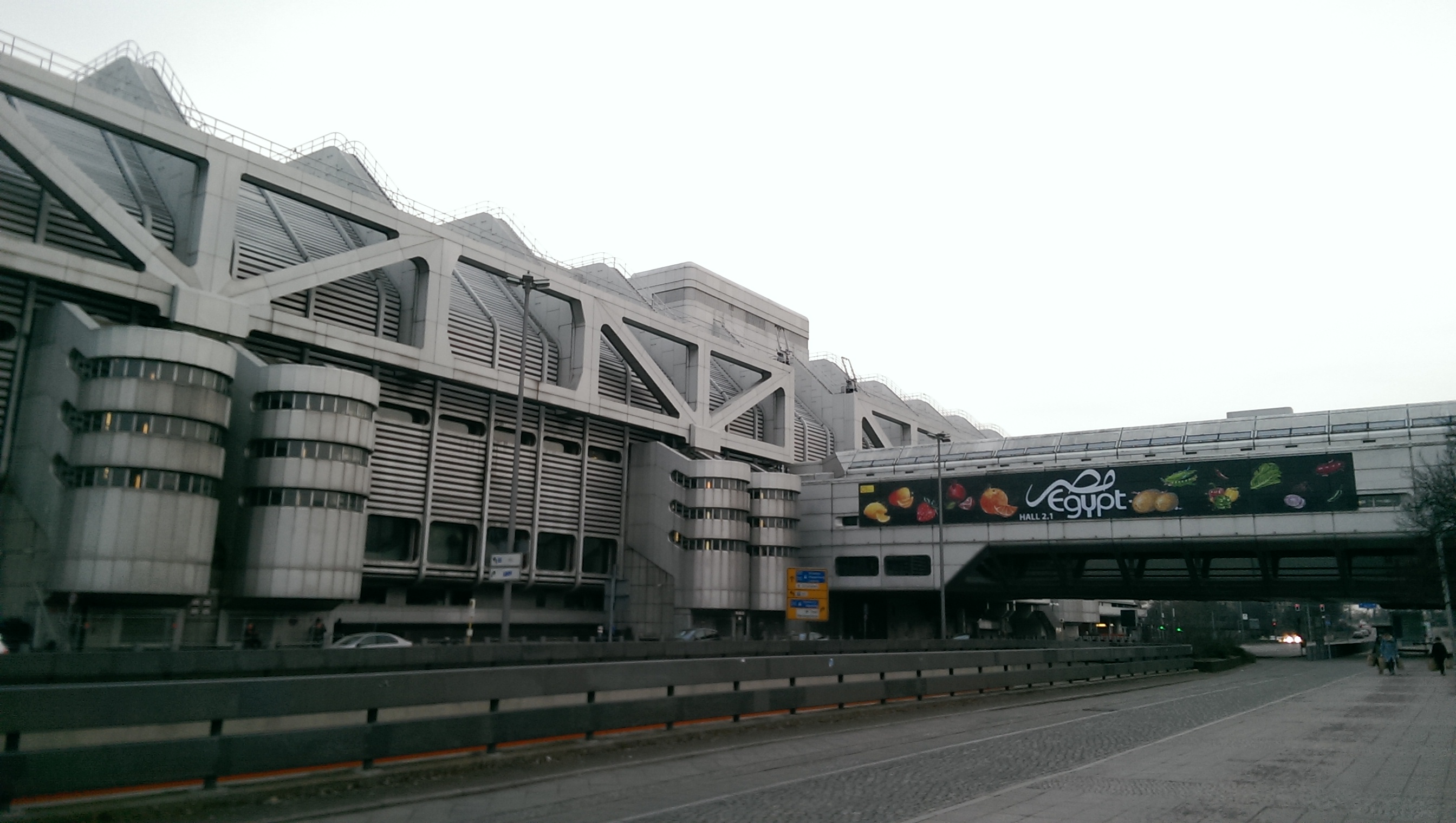
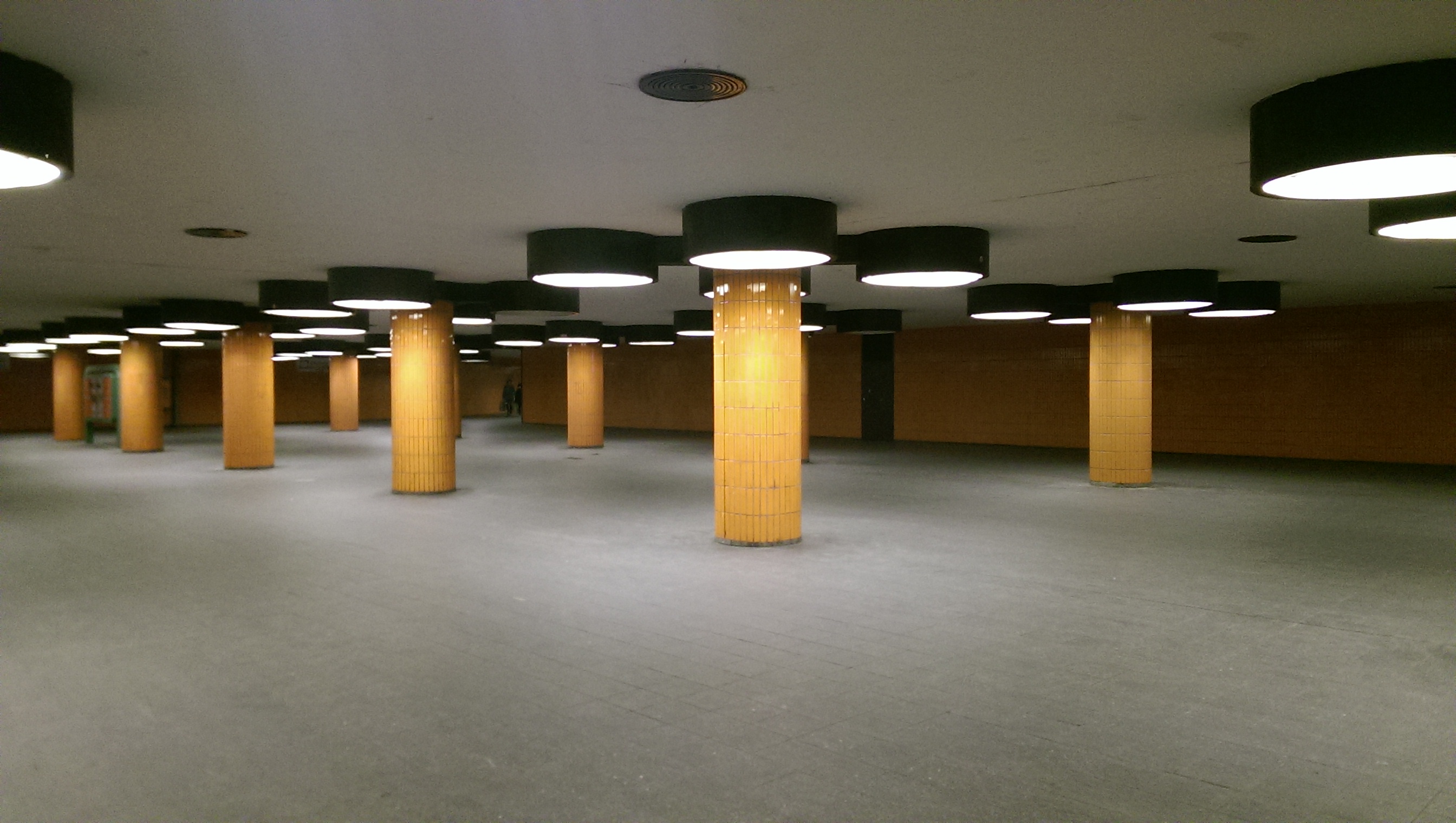
When I was in Berlin I found myself getting frustrated with photography, as I often do lately, as it’s taken me some time to figure out what it is I’m actually seeing in an image making me want to capture it. What I’ve found is I’m capturing too much of an image rather than the small element that consciously or subconsciously caught my eye. I’d see a building and think it was beautiful and take its picture, but then I’d look down at the image and it wasn’t beautiful anymore. Why?
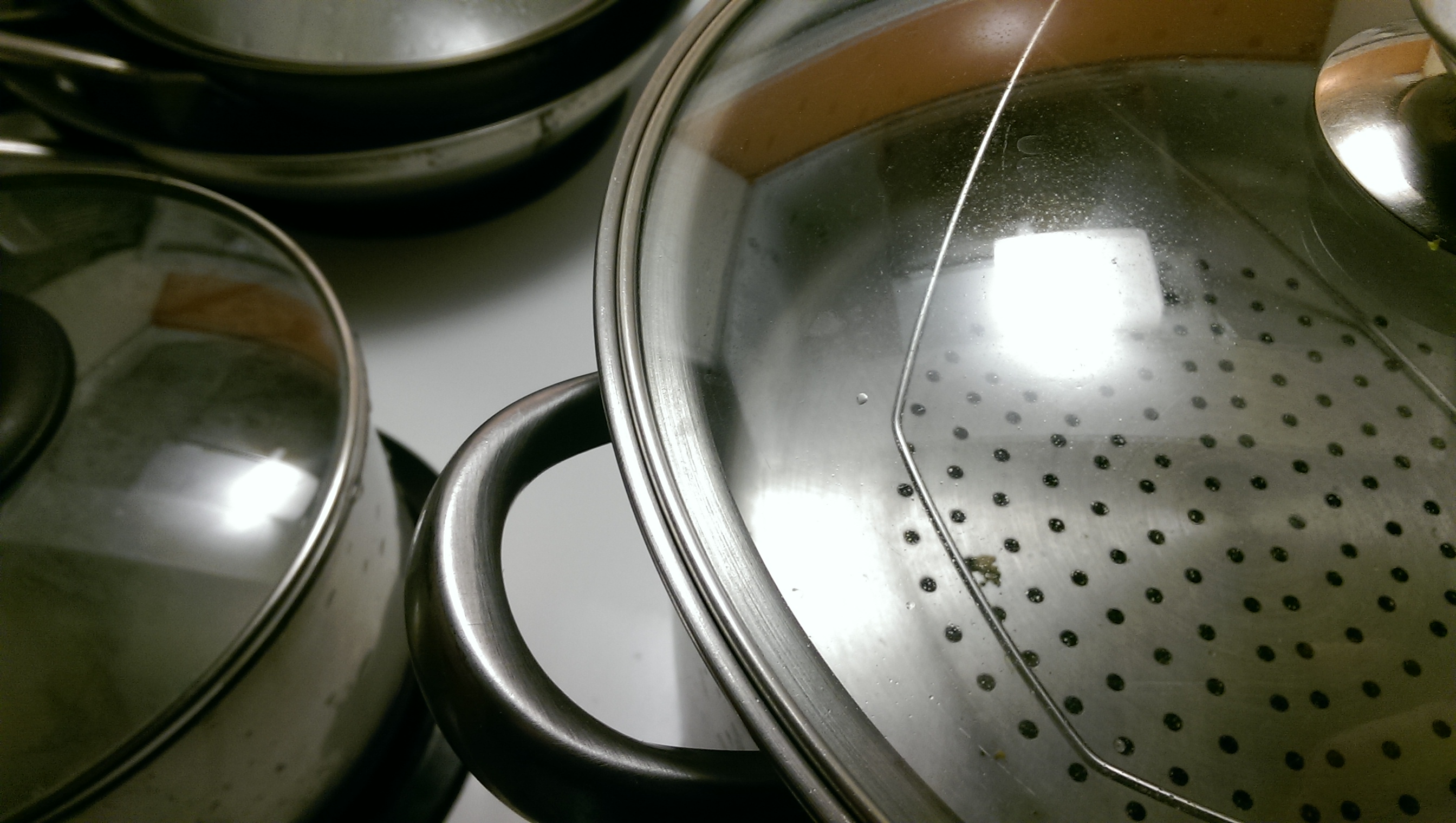
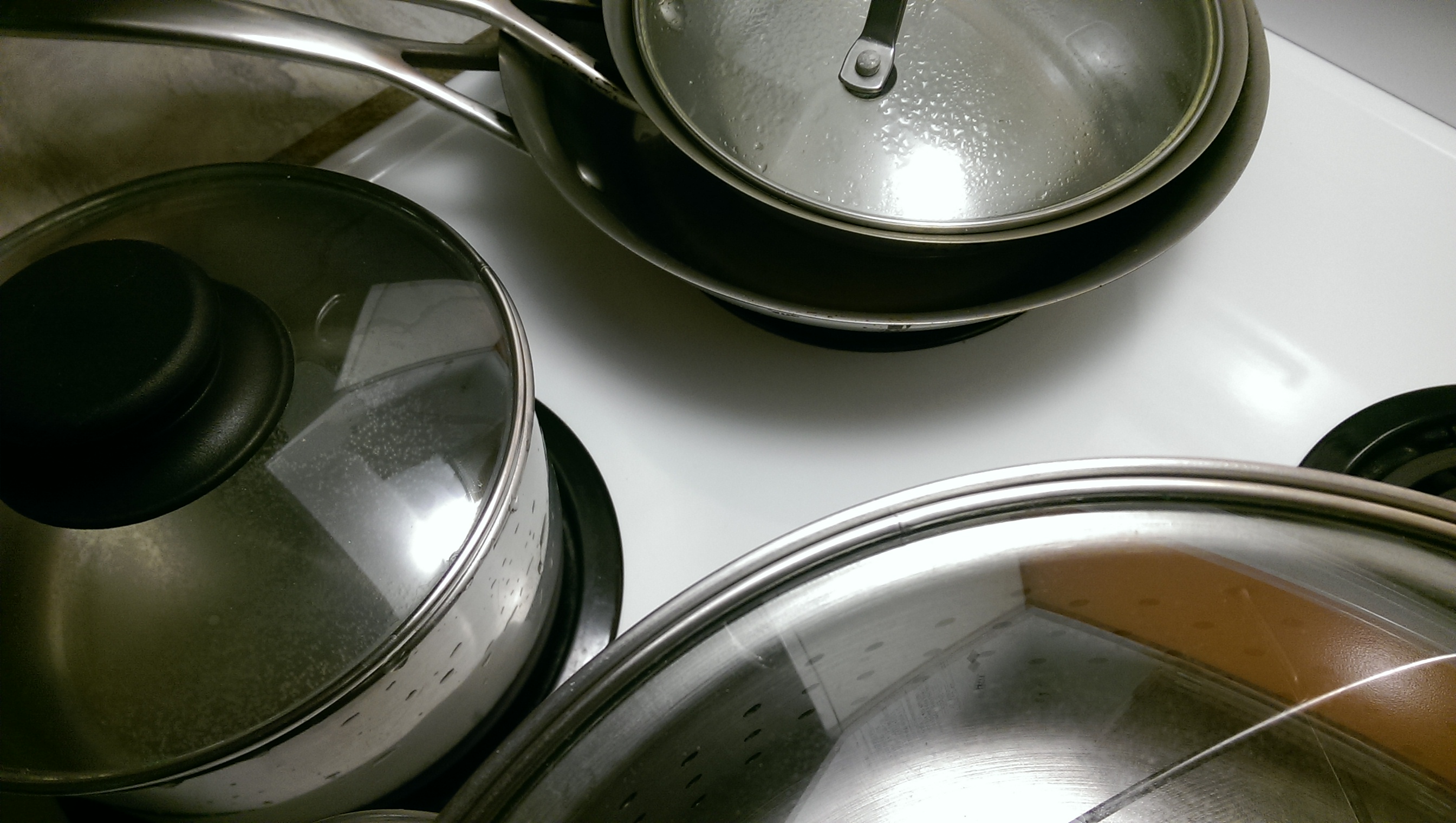
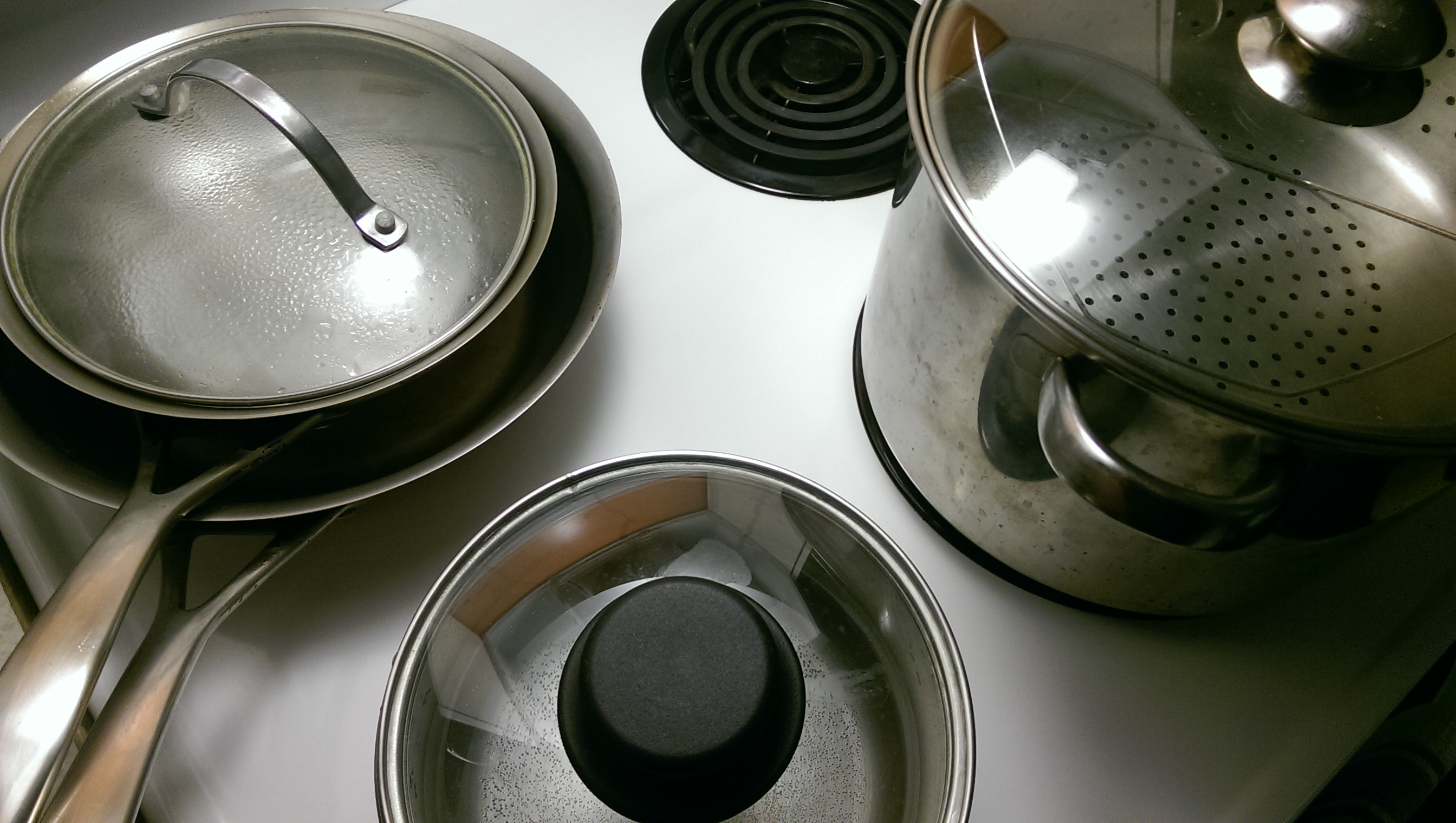
Back at the stove—waiting for the water to boil—I must have figured it out, because following the picture of the pots on the stove were a series of more pictures of the same thing, pots on a stove, but from different perspectives.
What I think my past self was trying to tell me was it wasn’t the entity of the scene of the pots on the stove I was finding pleaseing—it was many elements from many different perspectives I was taking in all at once to arrive at the final picture I was finding pleasing. My initial photograph I interpreted too literally, as I did with far too many scenes in Berlin, seeing it as a singularity, failing to see the so many parts making up a moment, failing to see just what it was I was actually seeing.
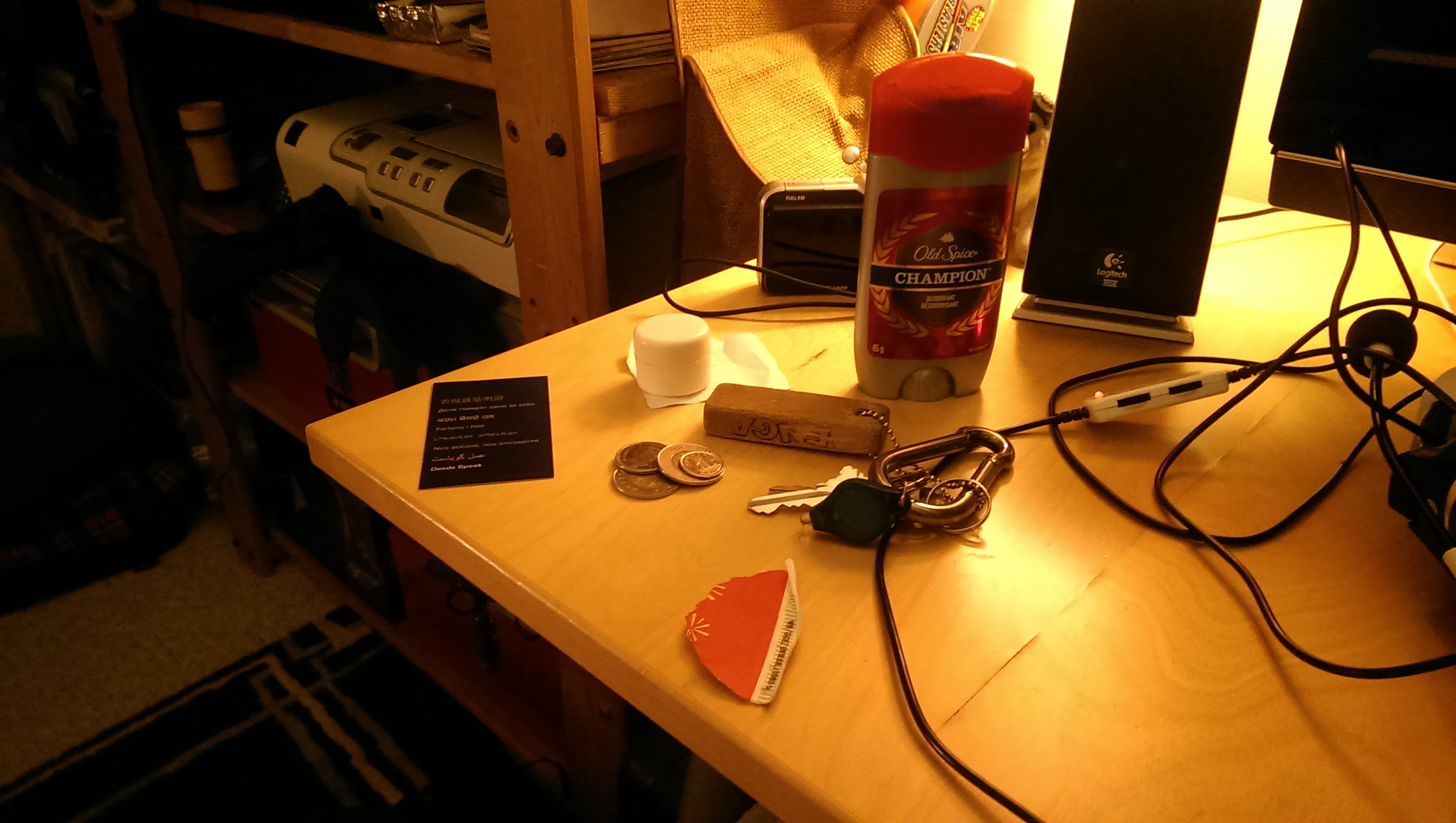
Take this view of some of my desk, for example…
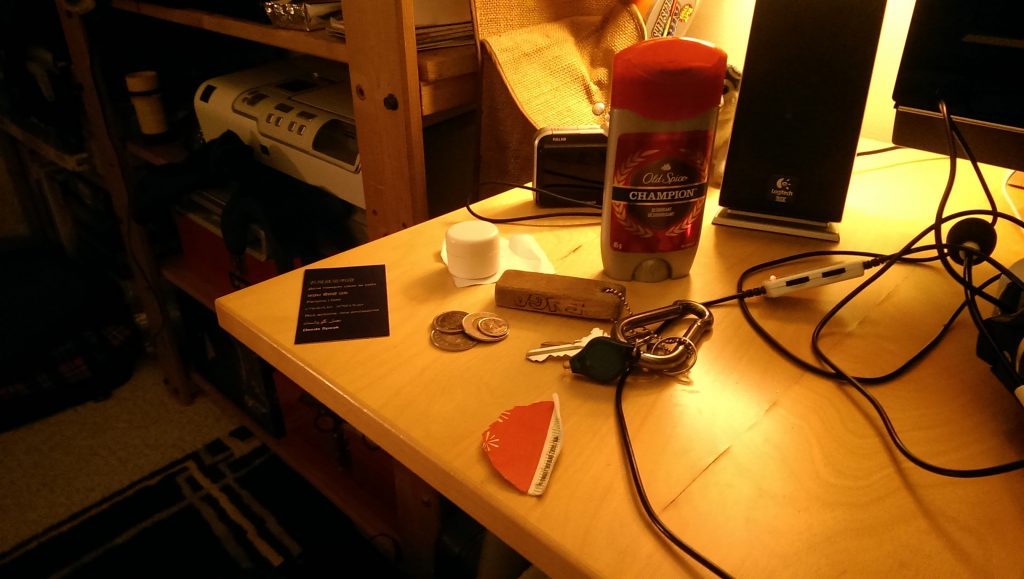
I like something about this view, but as photograph it’s not really showing what it is I like because that’s lost in the everything else about the picture.
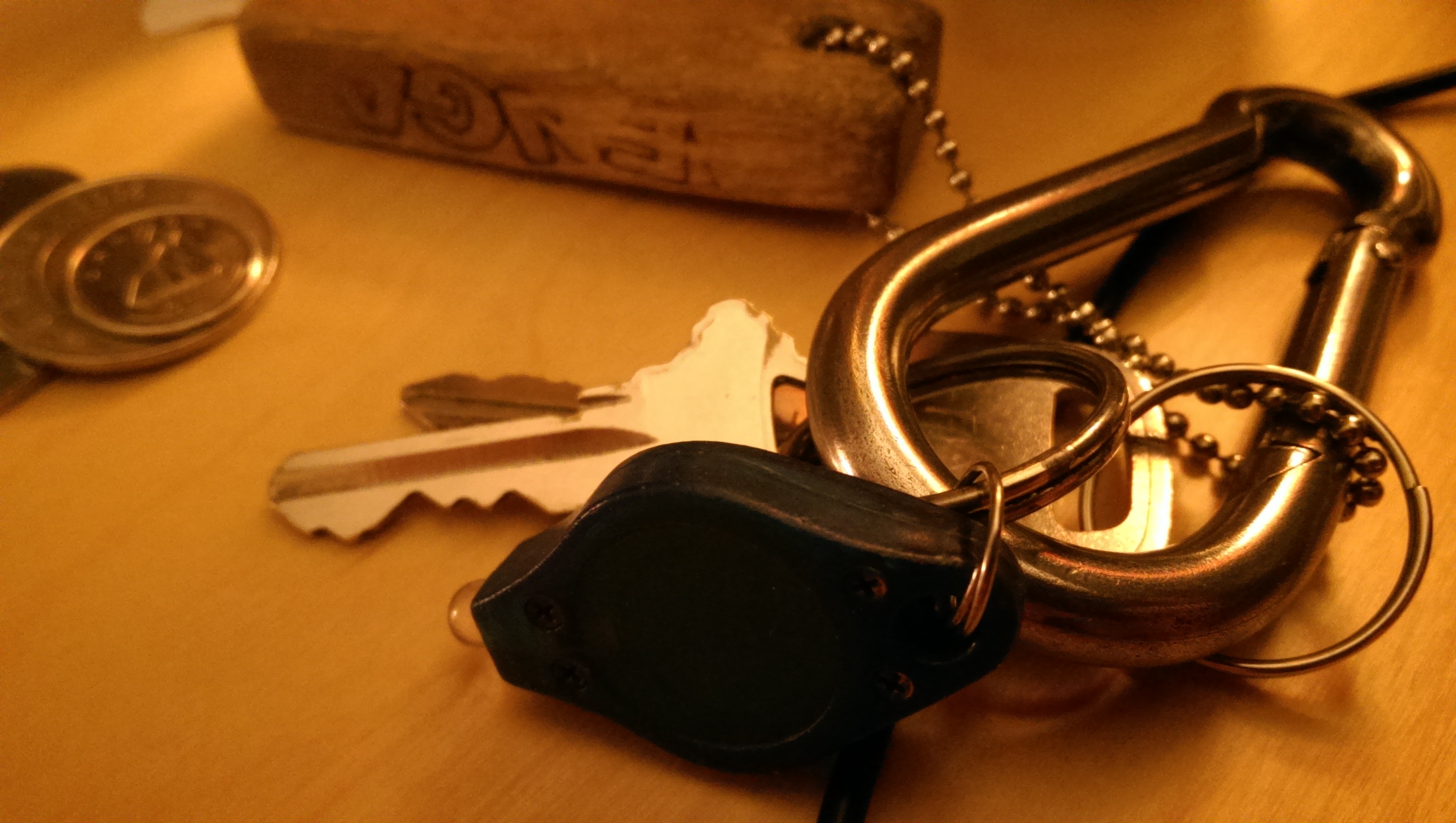
But if I get in close…
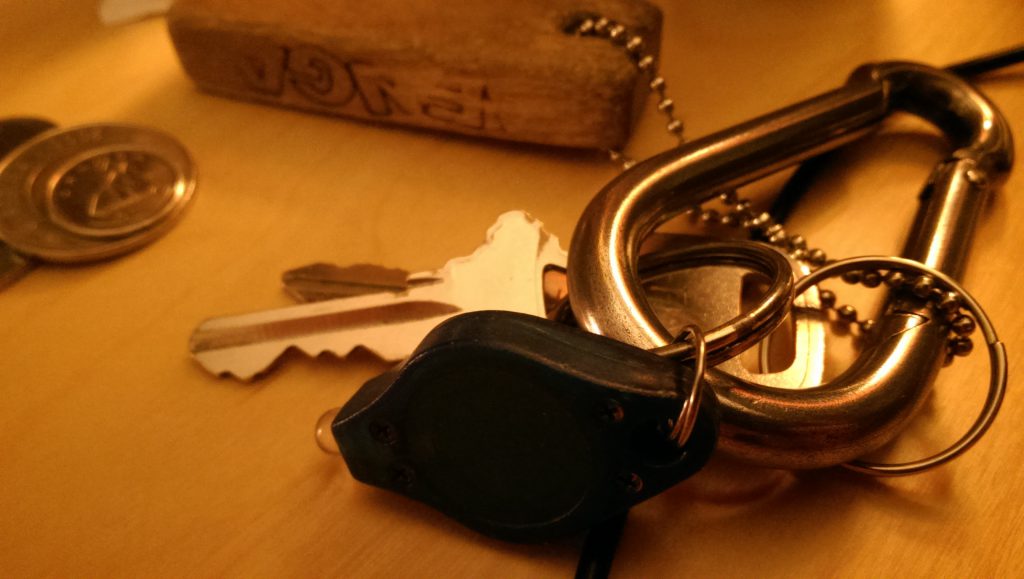
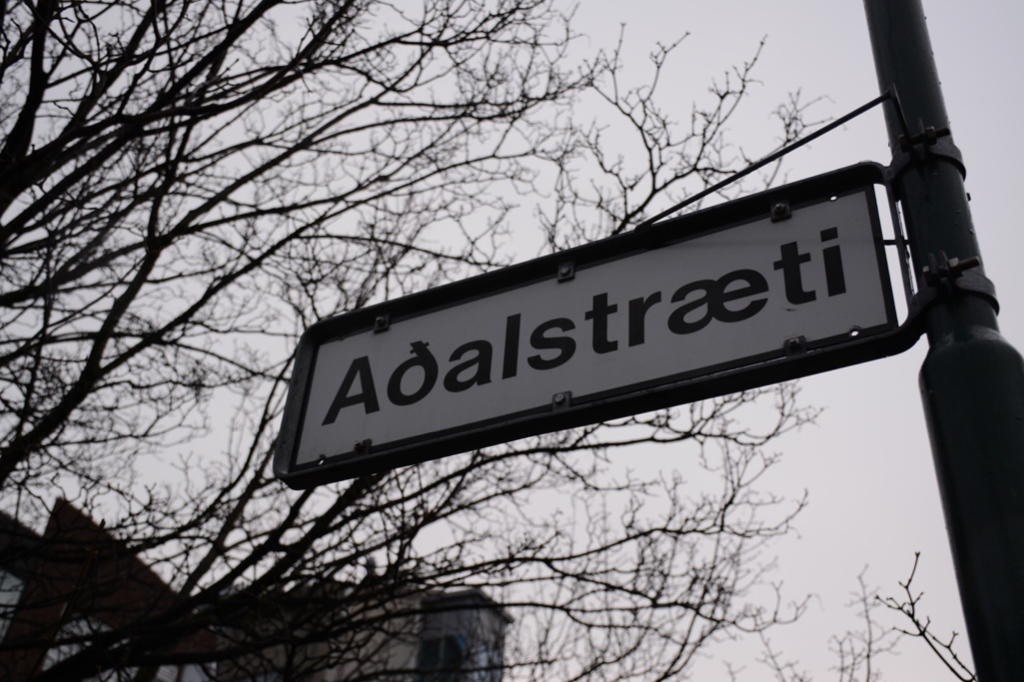
It’s the way my keys are sitting, the texture of the chain and Jenga block, the light reflecting off the worn carabiner. Suddenly the picture is more interesting, to me at least. It feels more like a picture I would take. And suddenly I feel better for having travelled thousands of kilometres to take pictures of signs, smashed televisions, and pavement. It’s the details where I find the beauty of life. Sometimes the big picture is just too big for me to know where to look, and that runs in stark contrast to when all I can see is the big picture.
Thinking back to the moment at the stove, I now remember all of this. I have my punctum back—the detail of a photograph which connects it to the viewer. I’m quietly happy. The water boils. And I’ve remembered why I take pictures.