Road Trip

Focus—everything can become one thing with or without it.

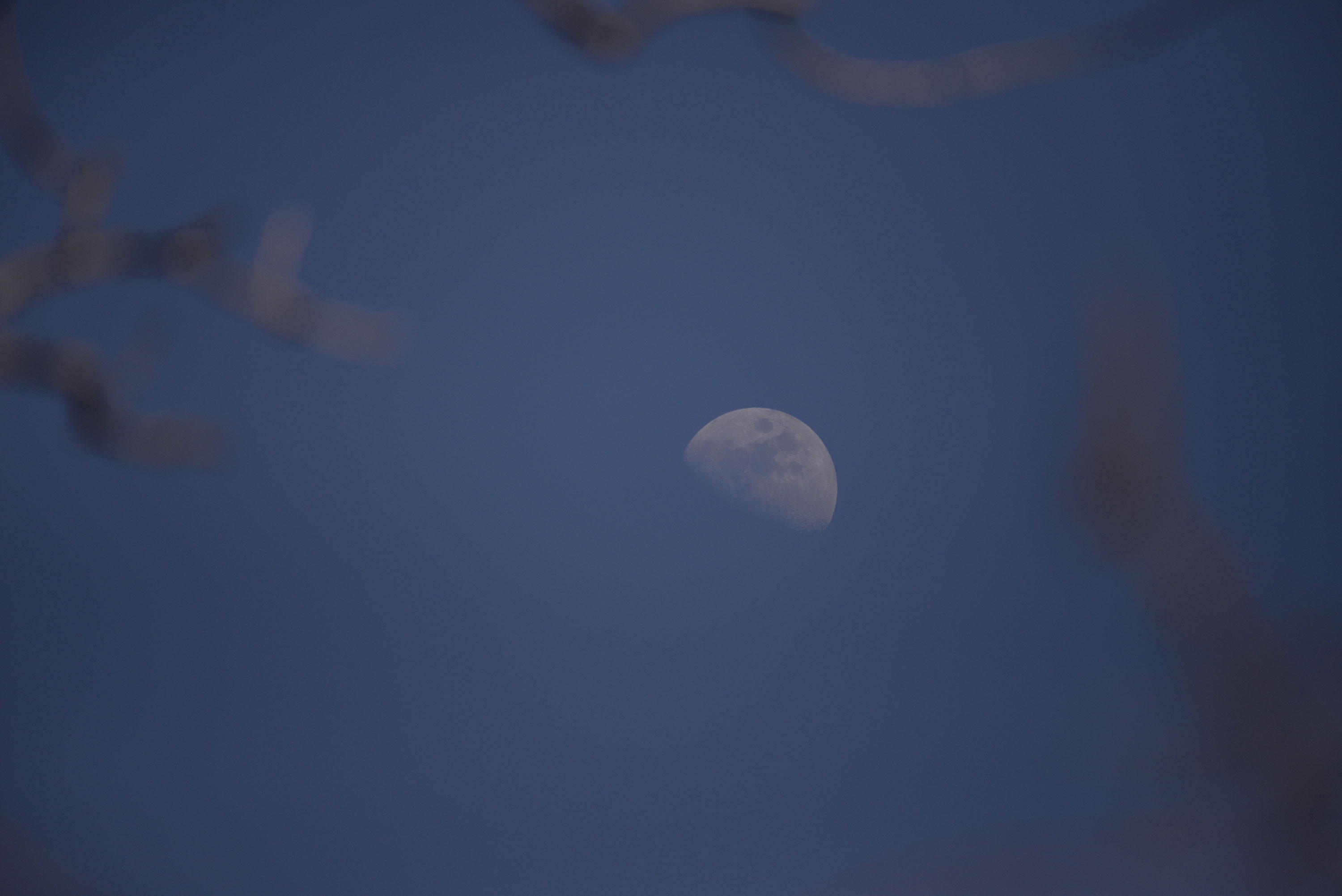
First off—the featured image is my new current favourite picture. I’m sure you recognize it, but it’s the first picture I’ve ever taken of the moon that’s looked like anything other than an over-exposed white circle in the night sky or a grey smudge in the day sky. It looks just like something I’d imagine the moon would look like. Just like in the books! No joke—there were goosebumps, heart skips, butterflies, pretty much all the cliché possible, existing in and on me when this image jumped into focus. I’d never been so close before. It was the best kind of awesome.

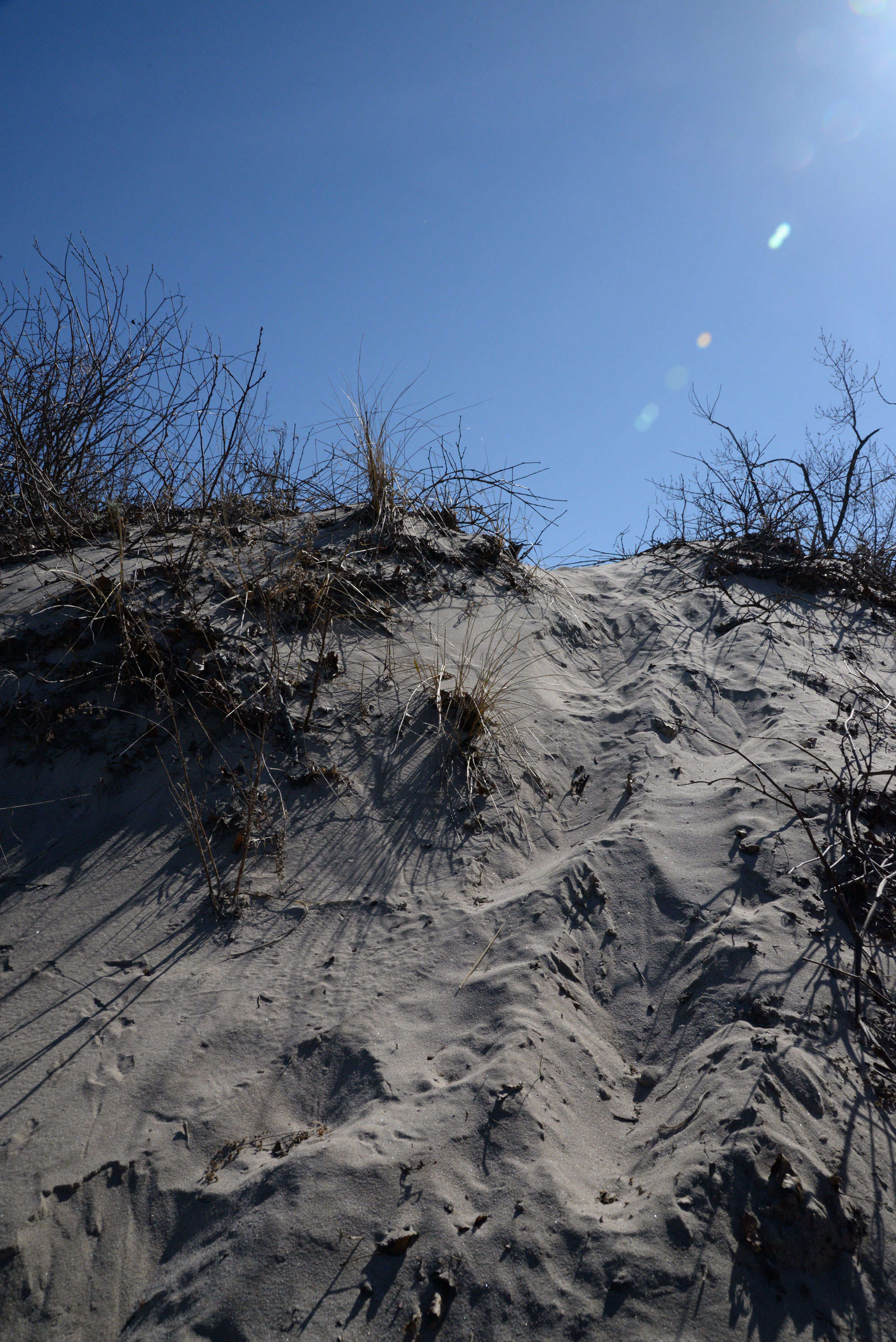
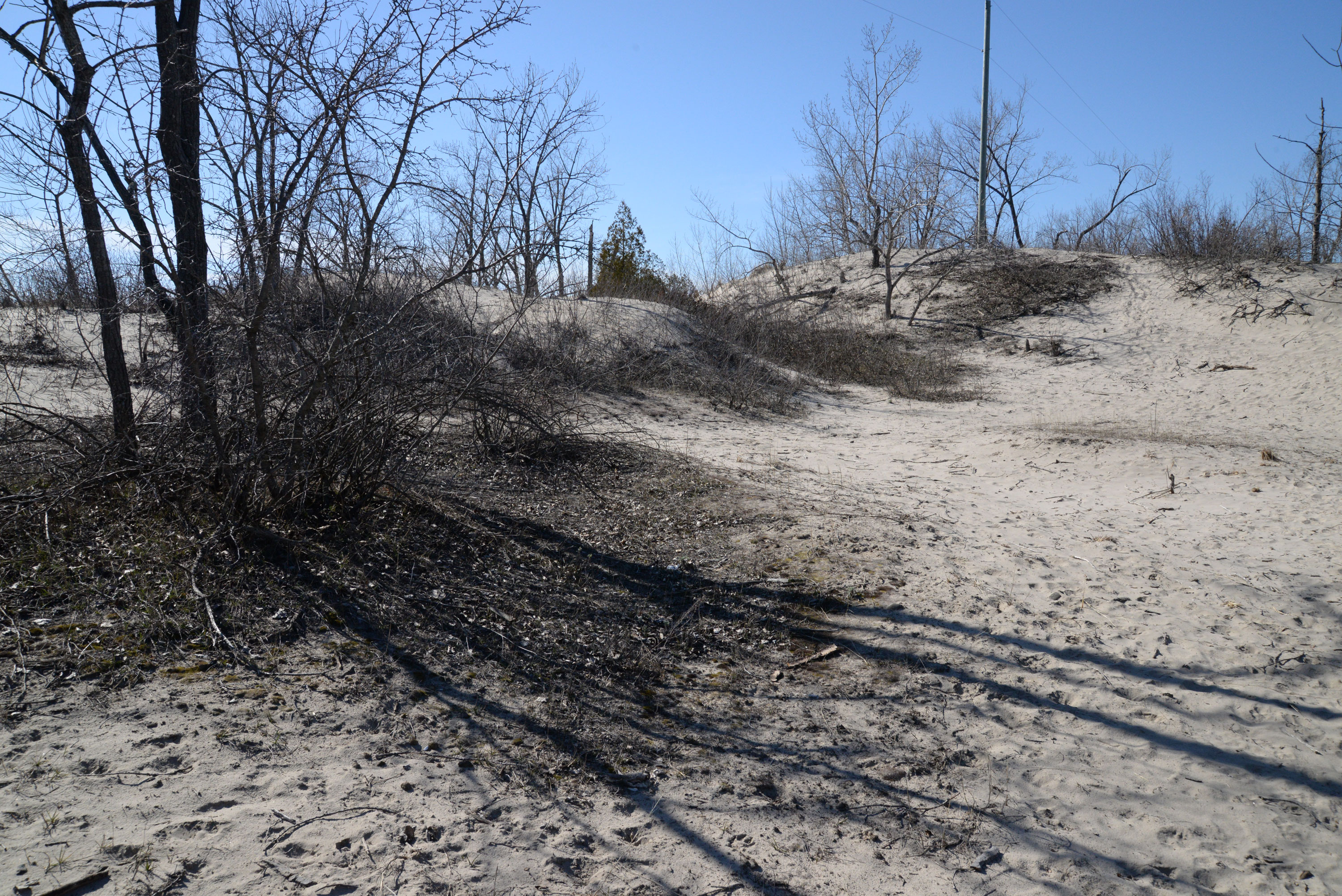
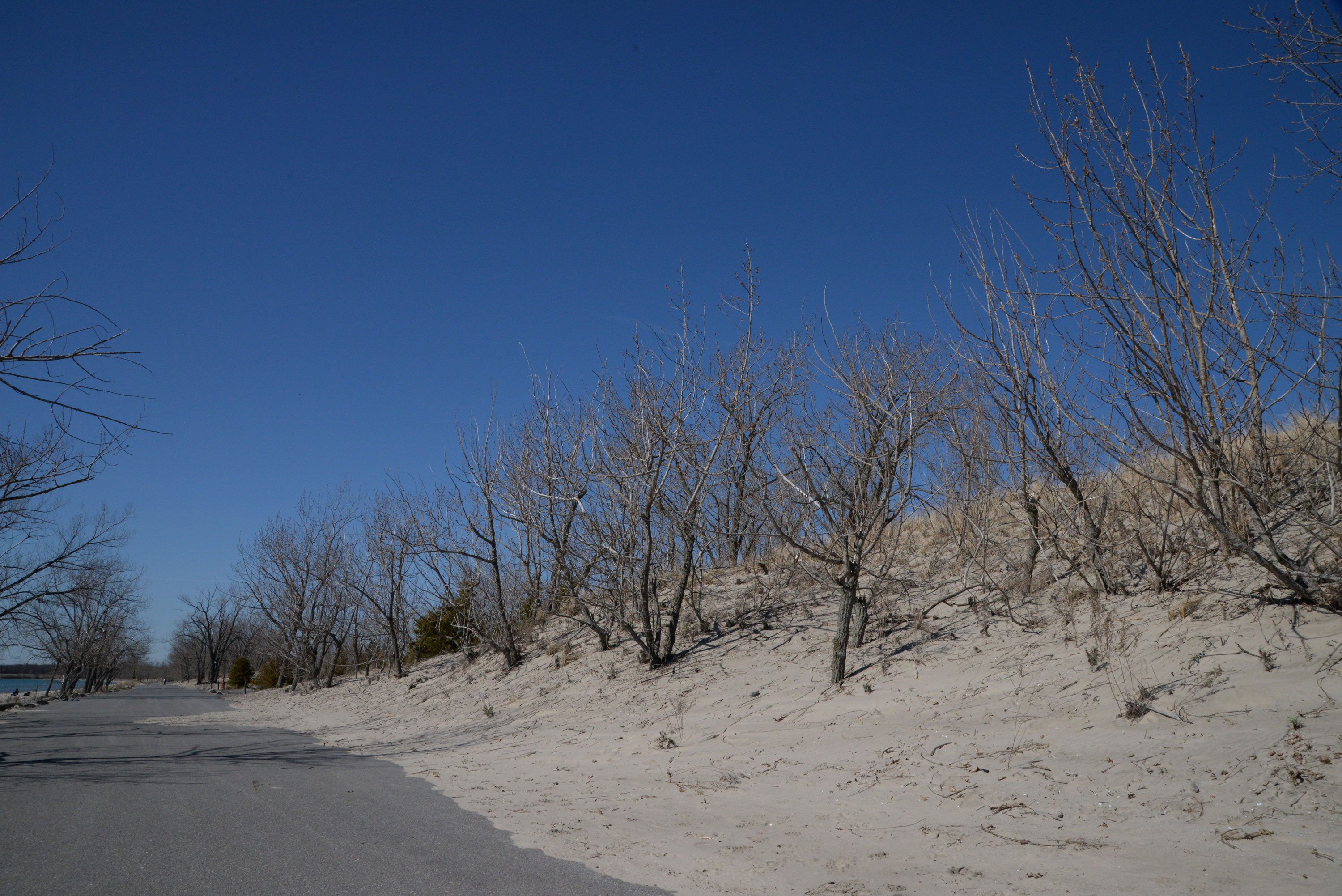
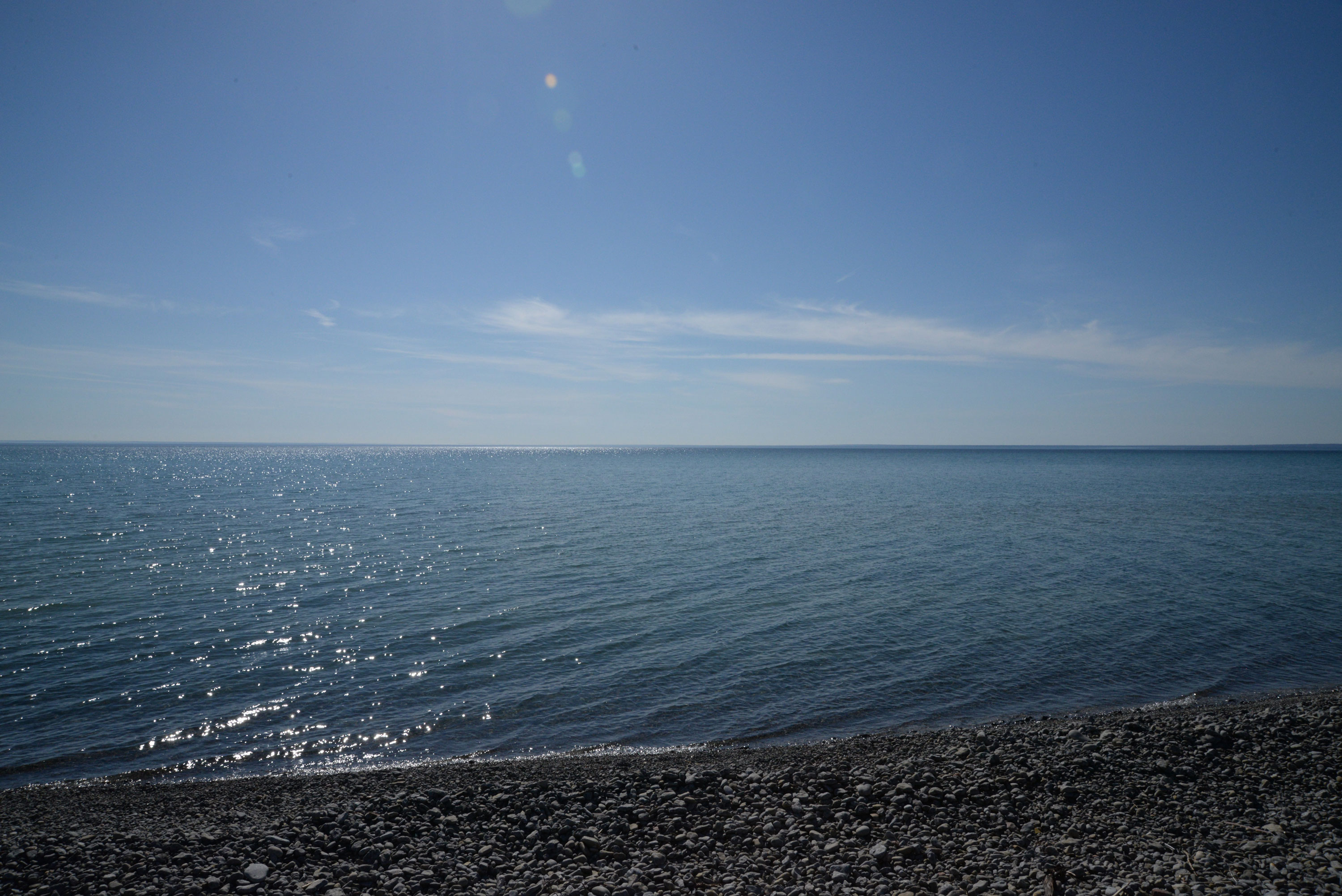
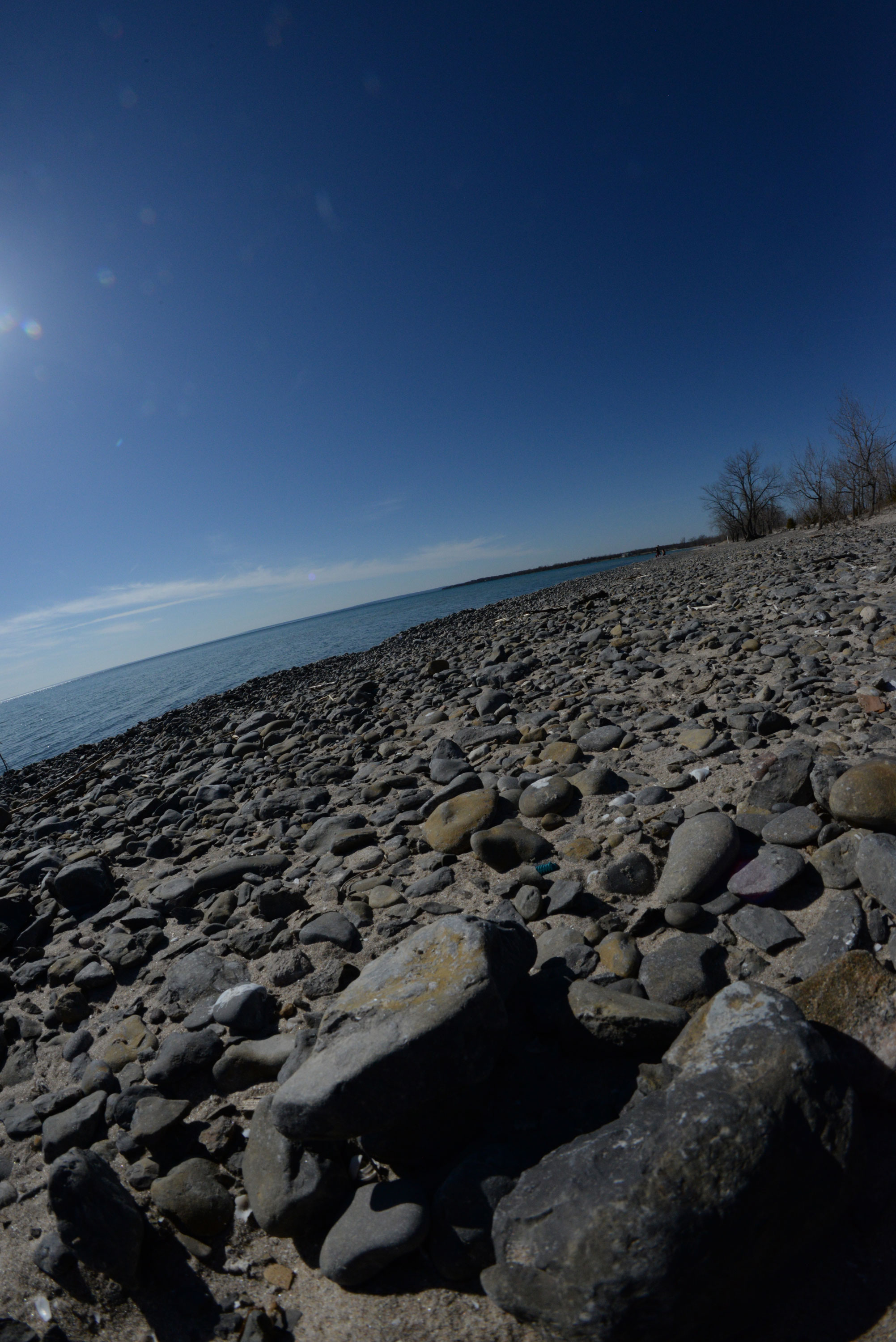
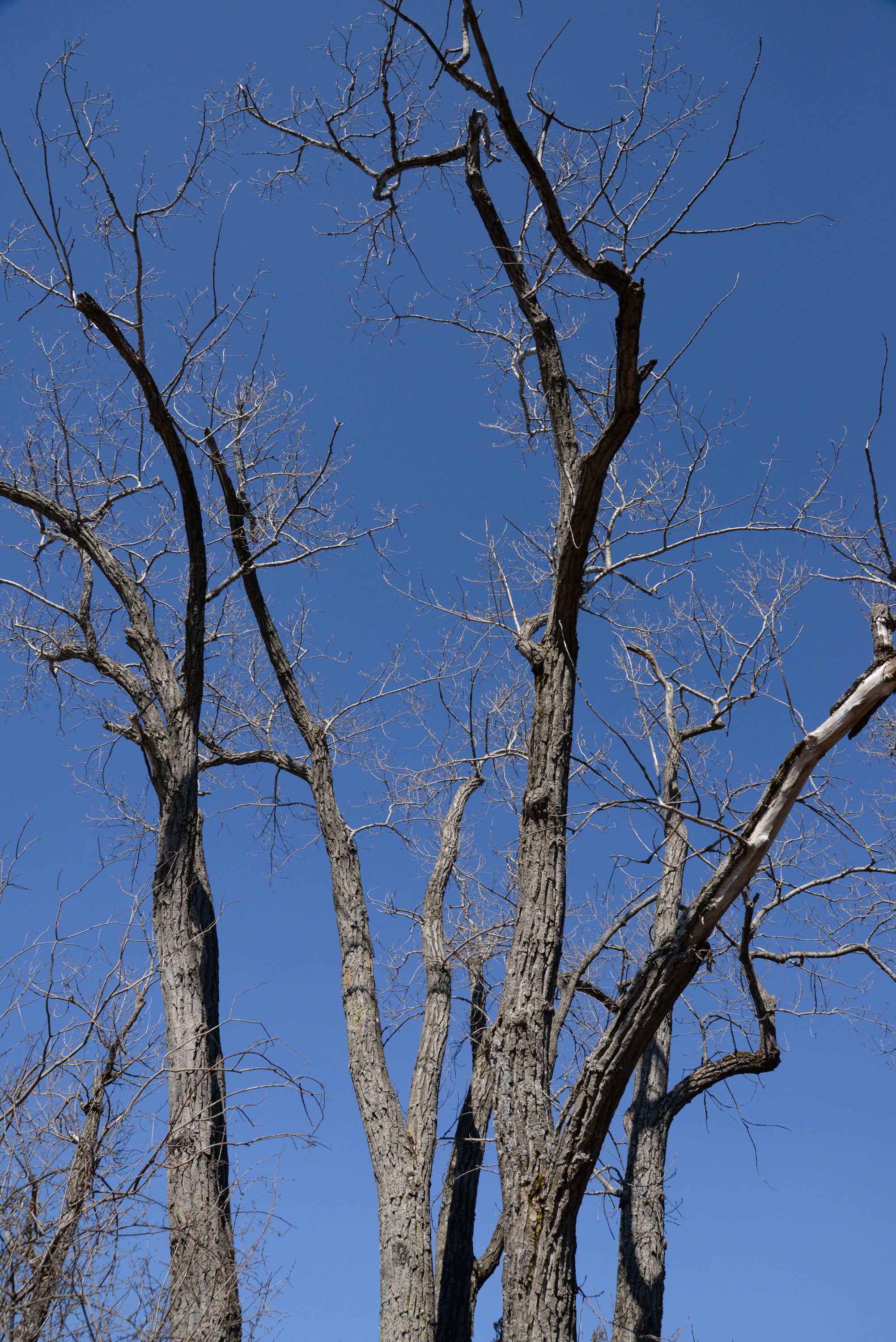
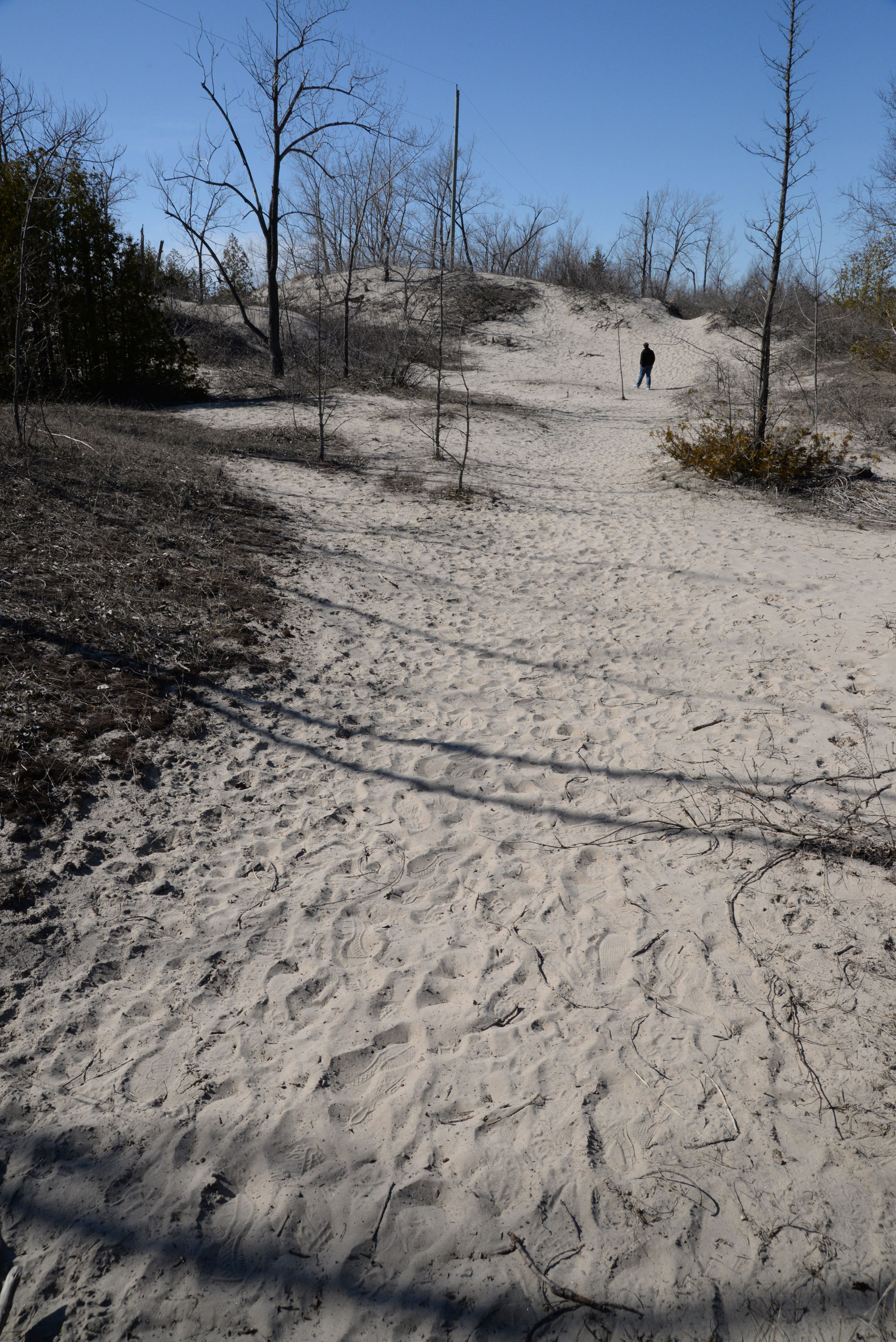
This is the moon as it appeared last Friday afternoon. I joined my younger brother and our parents for a little road trip to celebrate the long-awaited arrival of their new car—a slick Subaru Outback 3.6R—and it’s a great road trip car: powerful, comfortable, and the stereo is also a GPS. Before heading back to the city we stopped at a small provincial park by the lake to enjoy the beautiful and near-impossibly warm spring day.

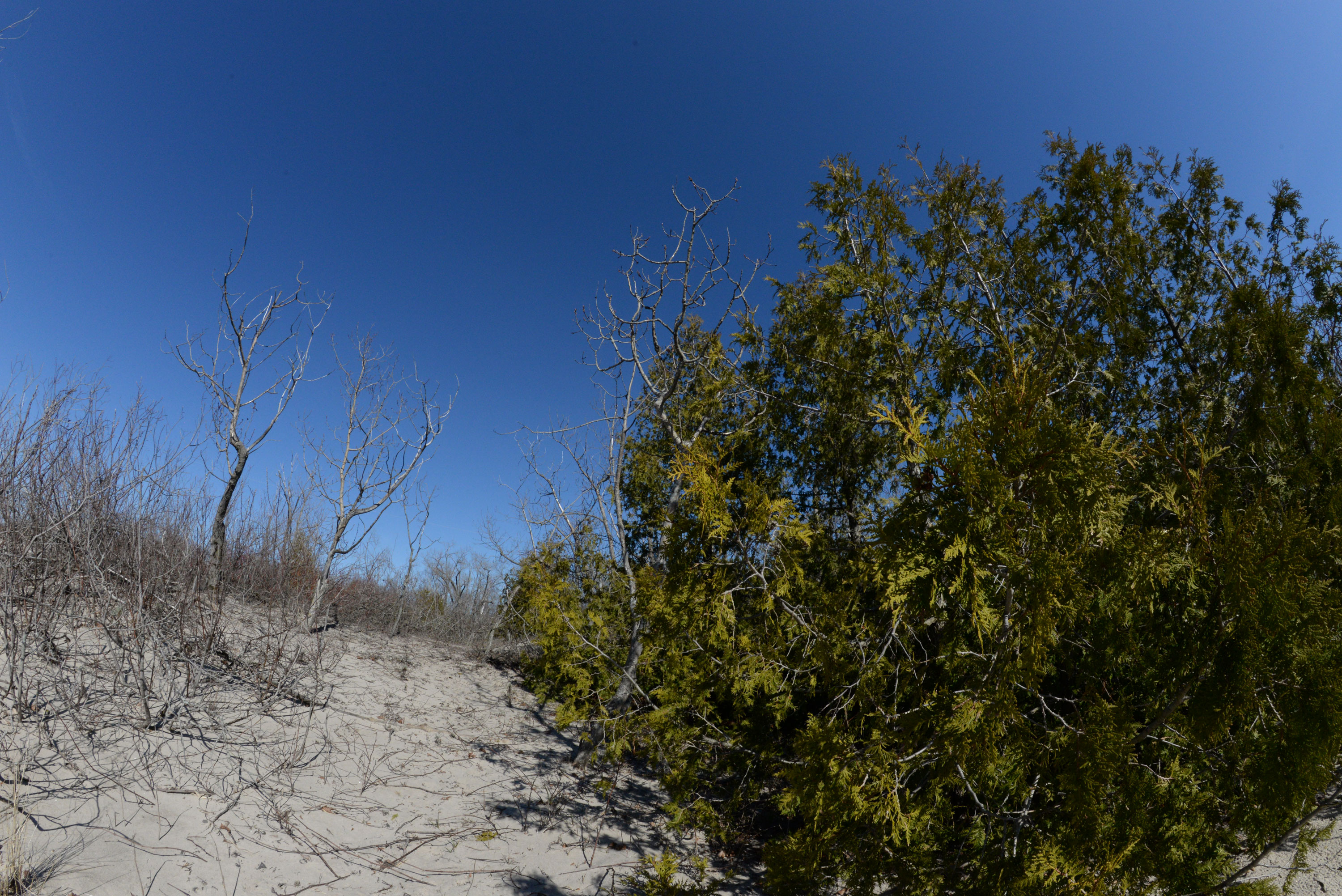
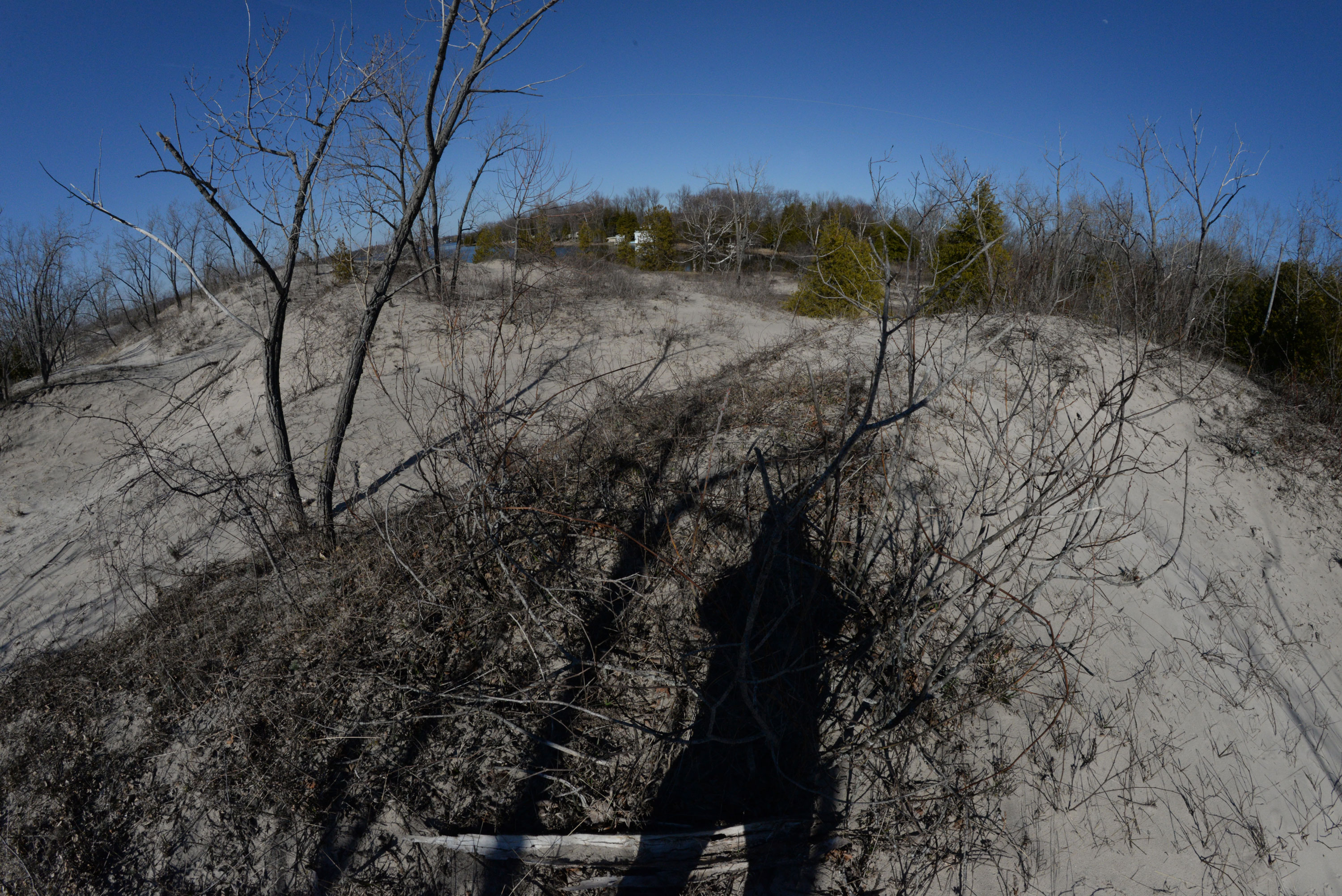
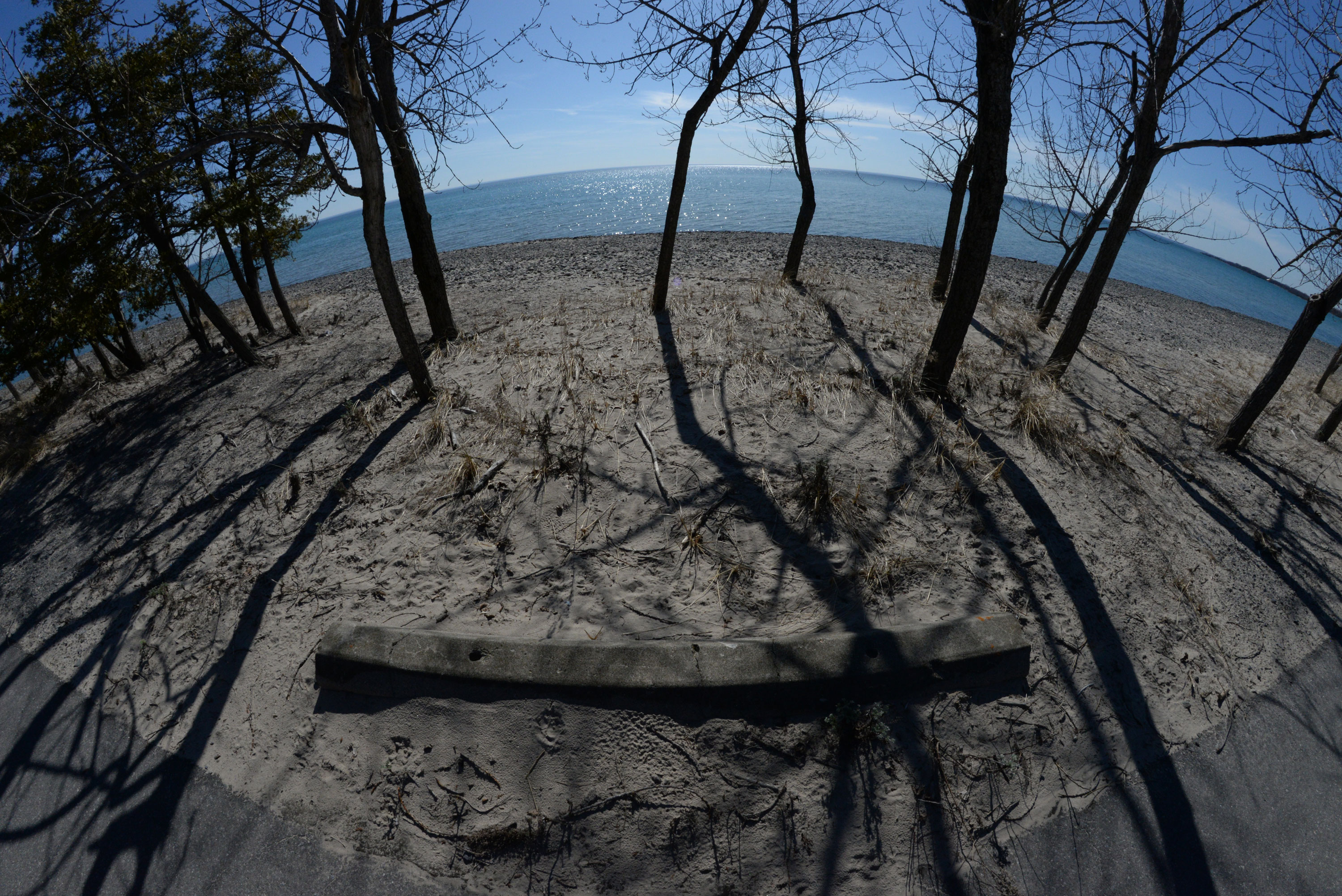
My dad lent me one of his digital cameras while we walked around. I’m still having to relearn a little photography as years of cameraphones have made me lazy in some ways, yet incredibly capable in others—particularly when it comes to working with limited exposure settings and at the edges comically distorted short lenses.

I started off with underexposing everything. The sun was blaring overhead, there was barely a cloud in the sky, and we were at the beach. There was too much light everywhere, and even though the camera knows this, I always tell it to assume there is even more light than there is because there usually is. There was also too much everything everywhere. Yet there was nothing I could seem to fit in the camera—I problem I often have if it’s been a while. I tell myself I’ve lost my eye and am blind to simple truth of photography: take the picture. It was Zoo Signs all over again!

I change lenses three times, moving from a wider angle to a fisheye to the longest lens I’ve ever used. And the nickle drops: focus. My cameraphones, as fun as they are, have altered my view. I’ve lost my sense of depth, the ability to focus on a subject amidst a busy field of vision to the exclusion of all else. My last few years of pictures have been flat and without focus despite appearing not blurred. A curious realization: Am I’m seeing everything and missing just as much as I do?
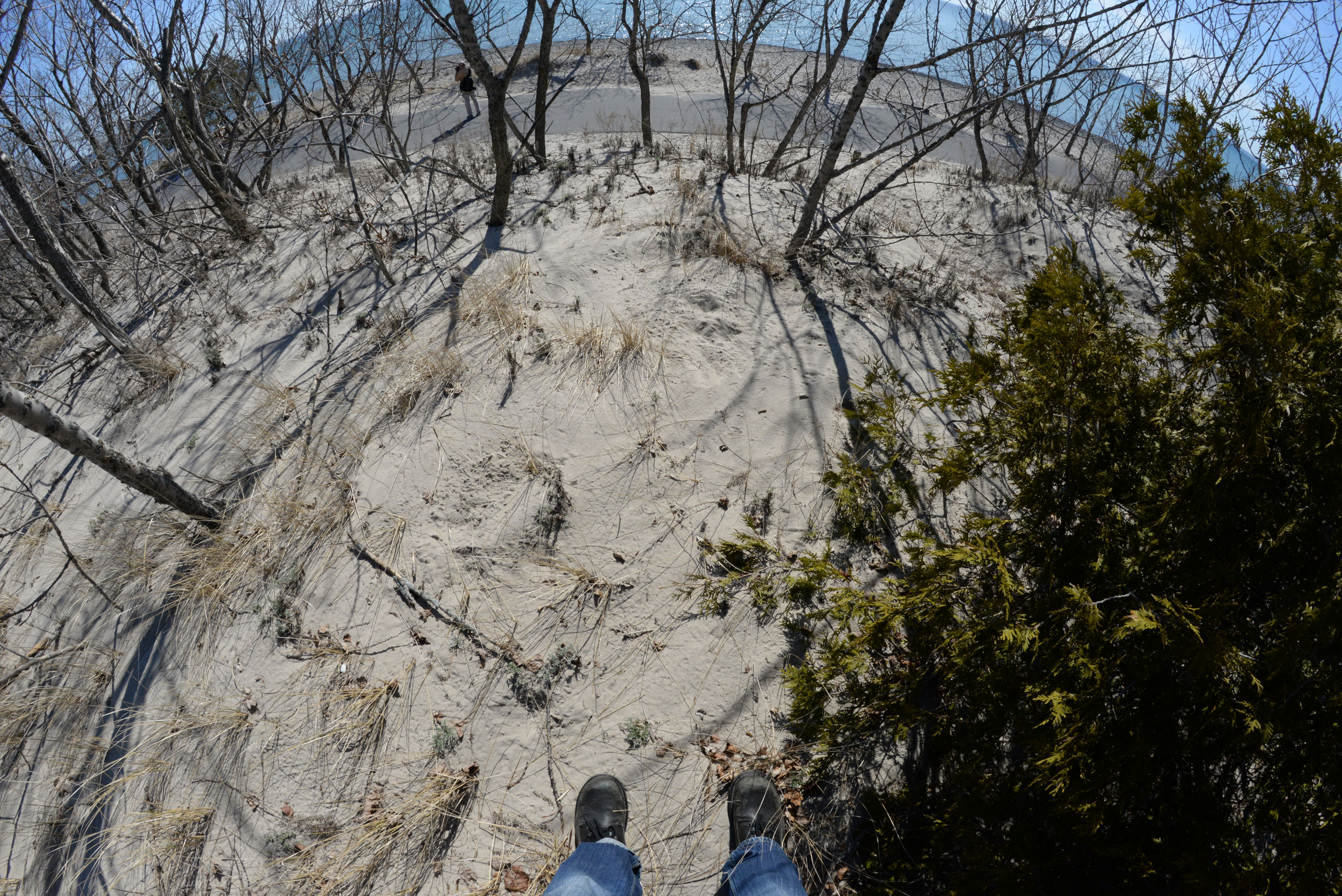
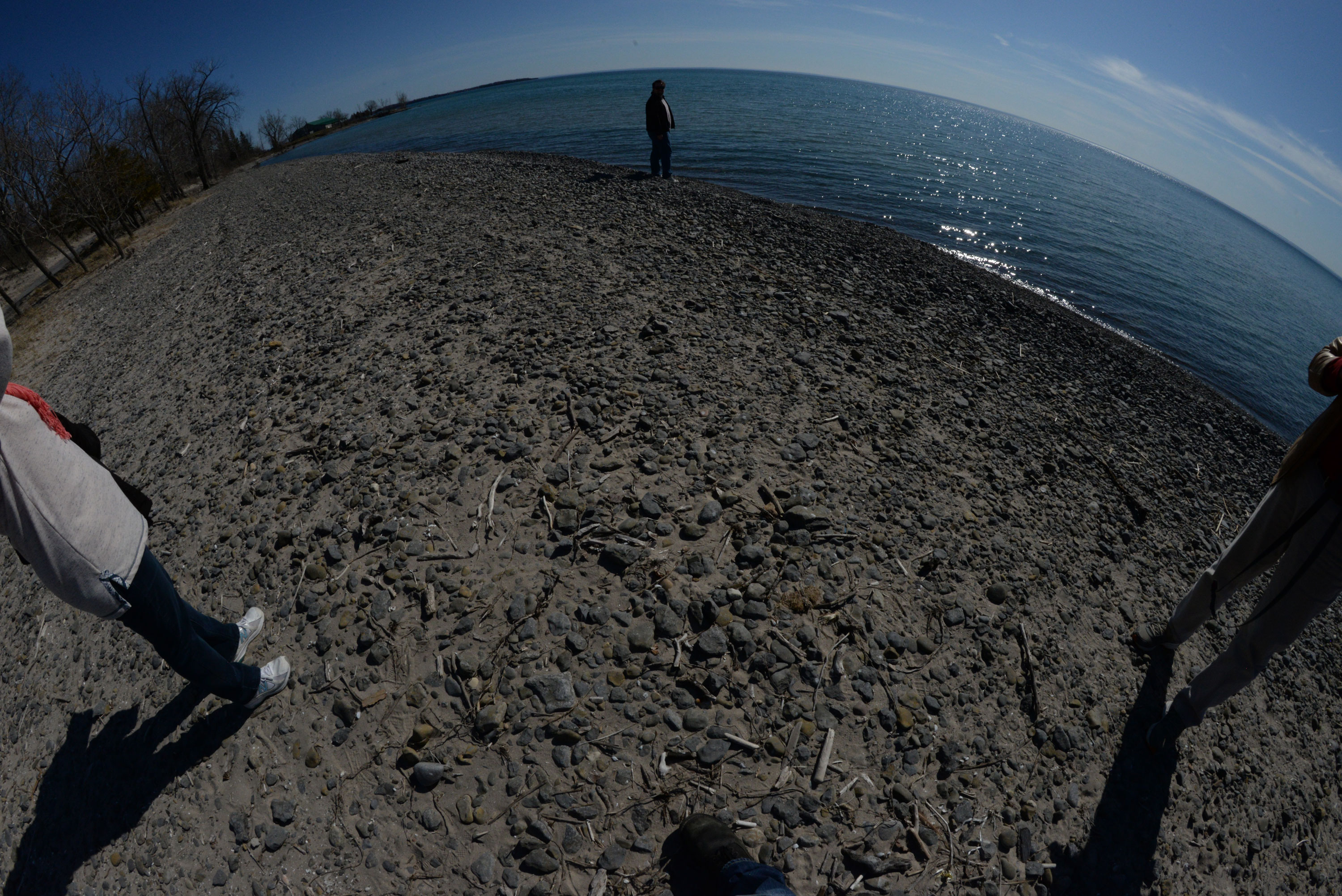
I like the fisheye, bending reality back onto itself—I always get a kick out of it. HAL-vision I like to call it, for the days when I feel like a neurotic computer from the past future. I’ve used the lens before—it’s fun.
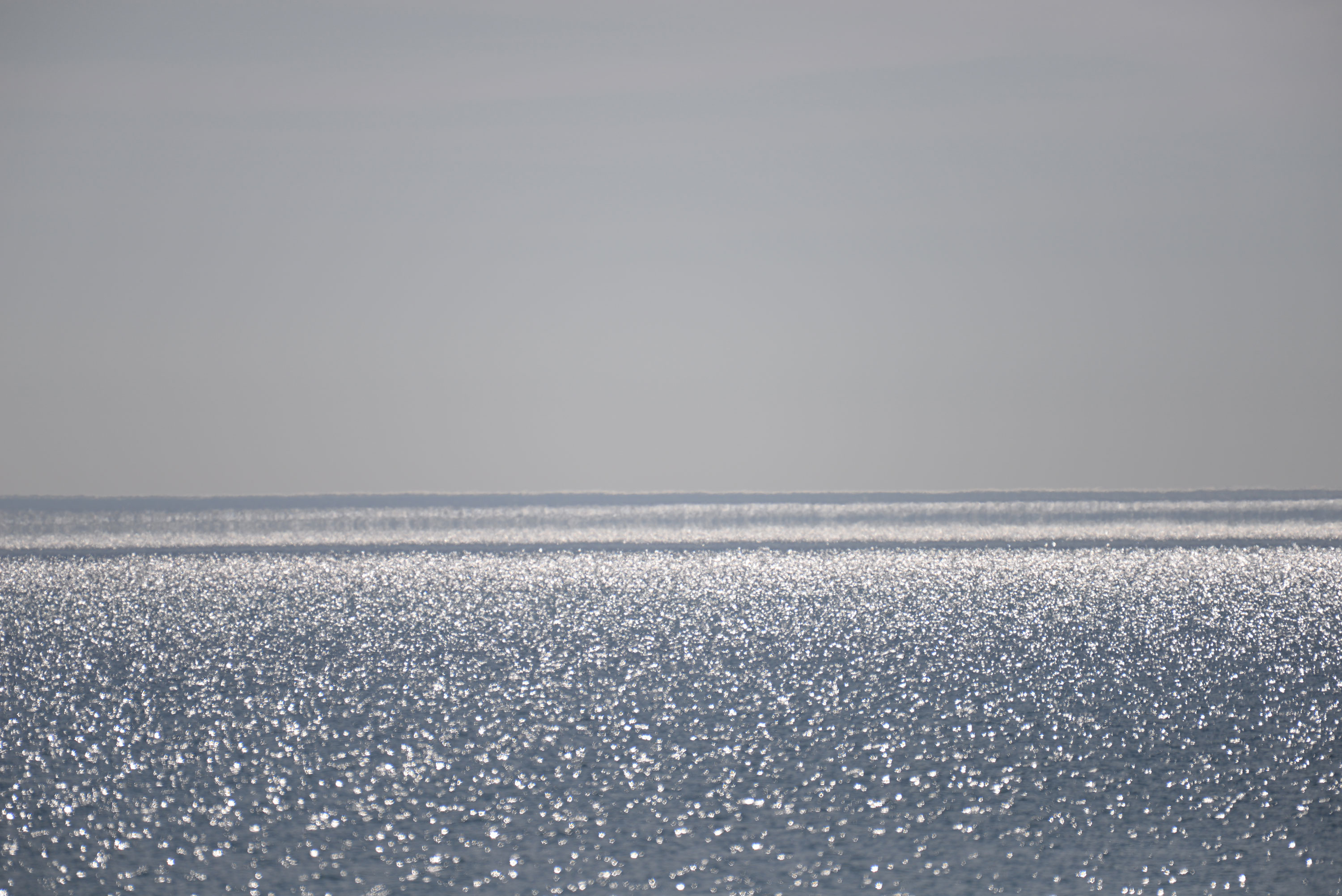
But the long lens—a 200-500mm zoom—is a new animal to understand. On a DX sensor camera it multiplies out to around 750mm. Plus it’s fast. And you can get so close from so far away. Too much depth is replaced with too little until you realize that’s the point. It’s a sort of intimacy at a distance, as if a lens could be lonely. And it’s only until you get even closer do you realize the loneliness is just a trick of the eye—a consequence of an immensely shallow depth of field. I’m in love.
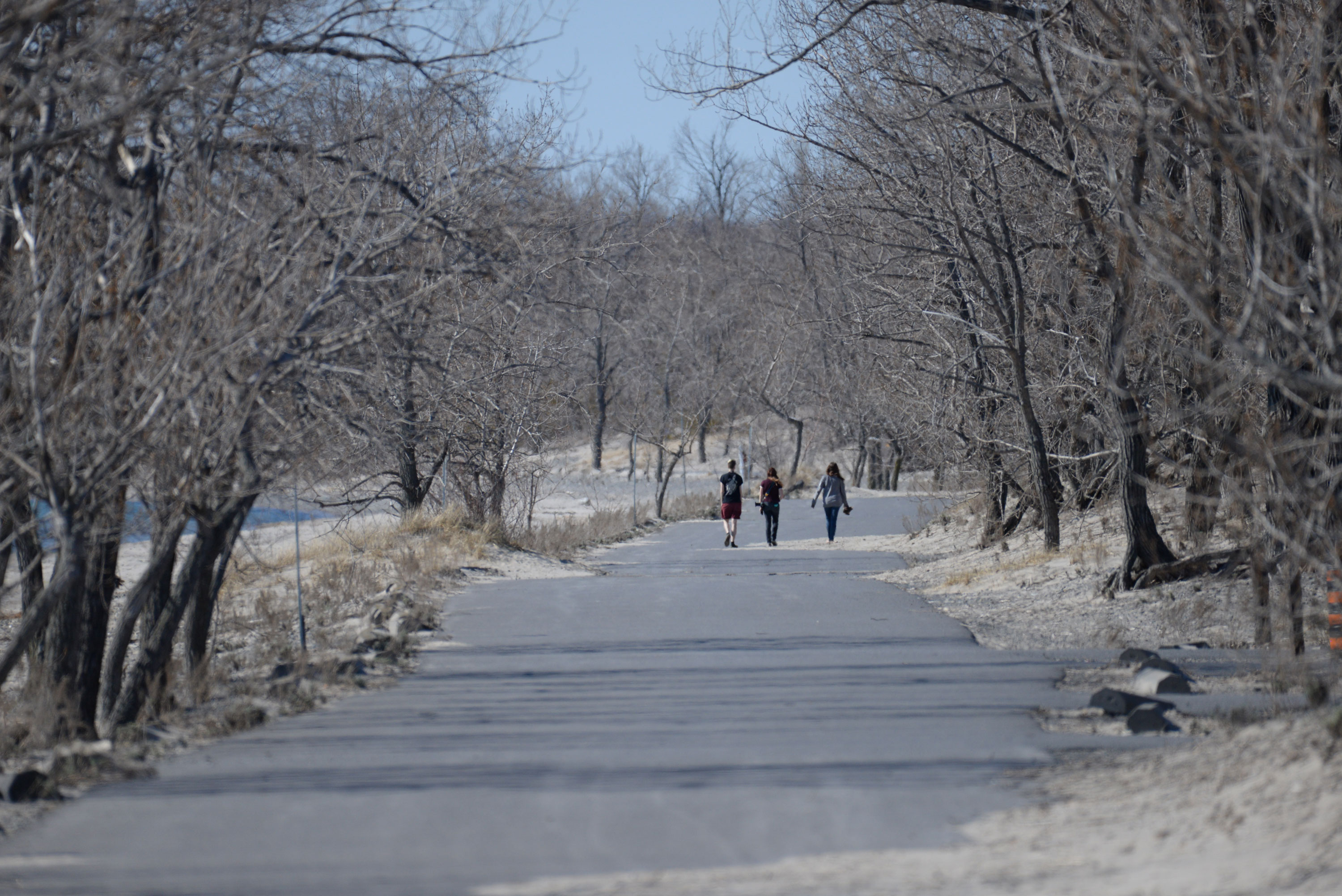
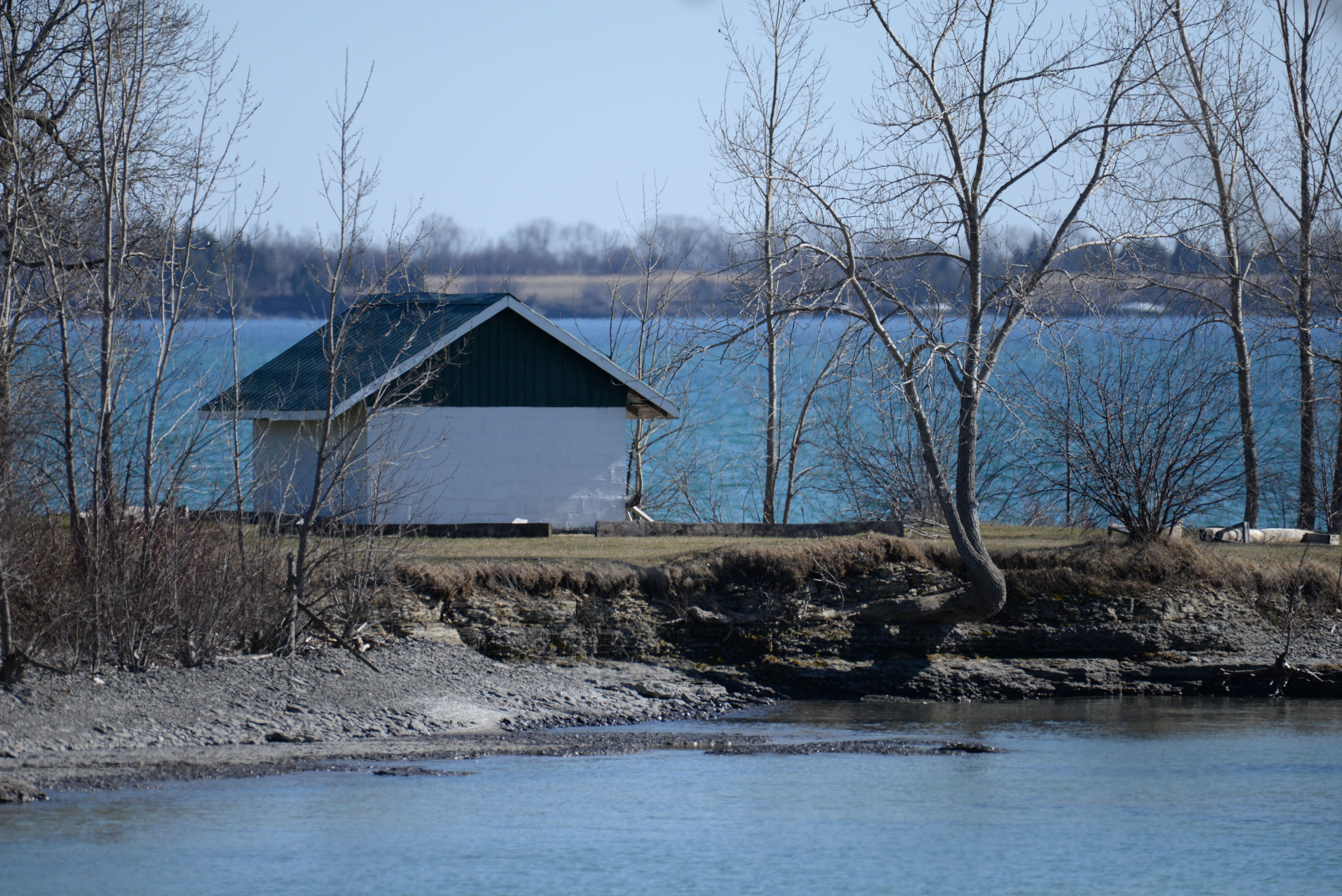
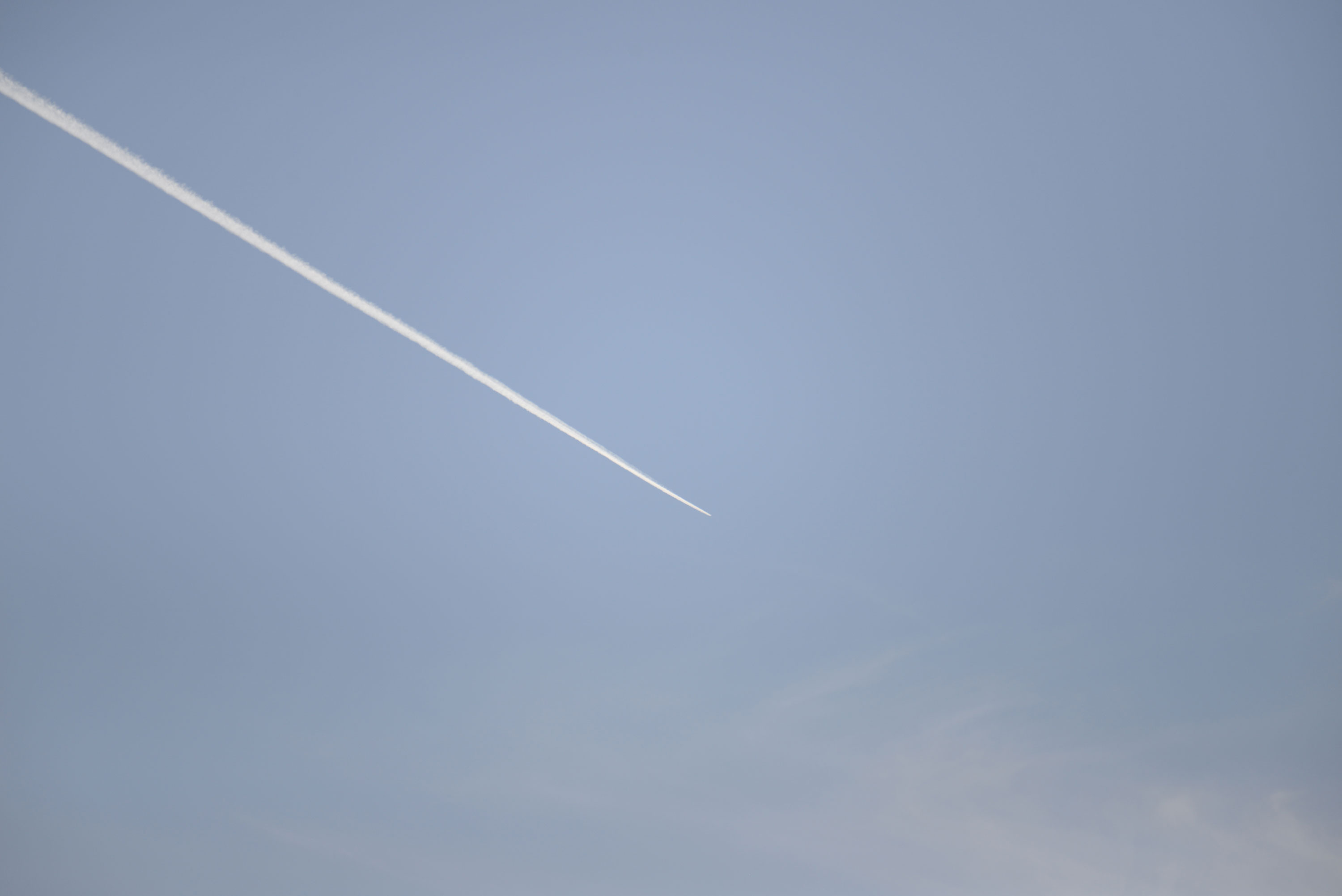
As we’re wrapping up my dad has a surprise: a teleconverter for the 500mm lens which on the DX will give it an effective length of about 1275mm. I decide in the moment I’ll use it to take exactly one picture of the moon—to me it’s special to be able to look at it so closely, and I’ve always found the moon out during the middle of the day to be a little magical as well. Why not? It’s usually a night gig.

With my featured picture photo now taken, and my family’s road trip finishing up, it looks like we’re headed back to where we started—but I’ve always figured the sign of a good road trip is not to be where you were when you began even though you come back to the same place.
Just Write

Everything serves to further.

Today is raw, unfiltered, and unrehearsed. It’s just words. There’s no plot, no plan—nothing.

In addition to designing the future, I’m also writing the past. My past. It’s my backstory. We all have one, and much like the past in general, my backstory, much like yours and your past, exerts itself on the present in varying degrees through us. We are the media our past plays out. We are the story. And if we want to be stronger than it, to tell the better stories we need to tell in order to get anywhere new, we need to be stronger than our past. I need to be stronger than who I was then if I want to be me now.

I don’t know what it is I’m writing—I’m calling it a book for now. And I didn’t know how I was writing it when I started—I’m figuring it out as I go. But I know I’m writing about a sort of addiction, as if addiction were a person and it could do things like tell you everything was fine when it wasn’t or slowly move itself into your house and pretend to be you so you wouldn’t notice it taking over your choices.

And I also know I’m writing about seeing through addiction, to see addiction’s darkest truth—its supporters. For all its destruction and misery, addiction makes billions to trillions of dollars, euros, pesos, pounds, rubles, rupee, won, yen, and yuan—year in, year out—to name just a few players. Addiction employs. Addiction recruits. And addiction is a well-versed apologetic.

I’ve been afraid to tell this story, but I’m not afraid anymore. I need to tell it. I’ve been afraid of what people might think forgetting the reason I write is to get people to think. This is not an autobiography, but I am in this story. It’s what I saw. It’s what I saw someone do to someone else.

What follows are prologues to Rabbit—a working title to a project I started years ago without realizing I had—the story I’m writing now. It’s raw, unfiltered, and unrehearsed. It’s just words. There’s no plot, no plan—nothing.


And thirdly, none of what's here, is. Or isn't. It's a project of mine: A book. You've already started reading it--and you're in it. Enjoy.
10:55 PM - 27 May 2014

This might be where the trouble starts.

See—people don’t like to be observed. People also don’t like to be specific. People don’t like to reveal themselves. But people do like to know about other people. And other people like to know secrets. And people do like to talk about knowing other people’s secrets. Some people like to talk about revealing other people’s secrets, but all people who talk more about other people are usually almost always only talking about themselves.

See—people hide in other people.

Yes. This is where the trouble starts.

"Fuck you! I can have three long swallows and put you back here behind the basement stairs, Mr. Belvedere. And good night!"
7:53 AM - 31 Dec 2012

Quotes mean it’s not me directly. I’m speaking through someone else’s words when I quote. It’s referential metaphor. Or as I like to call it: metaphor.

This time I’m referencing Clancy Martin’s Vice essay—The Secret Drinker’s Handbook—about being an alcoholic:

“Every secret drink guzzled is, in essence, an act of defiance against the tyranny of others, or the tyranny of a partner, the tyranny of society, or even the tyranny of one’s own addiction: ‘Fuck you! I can have three long swallows and put you back down here behind the basement stairs, Mr. Belvedere. And good night!’ Or a better, more realistic idea, even if it’s a more modest statement: Buy the half-pint and just drain the whole damn thing.”

The distinction between protecting the addiction from the truth or the life from the lie is meaningless because it all starts to look the same. The entirety of your existence becomes isolating everything that’s not the addiction from everything that is—including you. Once you can lie to yourself, once you can believe it, the rest is easy: you go away. The addiction is all that’s left.

Happy New Year.

Act I

Hello—I’m pup. That’s what they started calling me. I didn’t correct them, except when they started spelling it Pup. It’s pup. Not Pup. I’m case-sensitive. There is a difference to me. And as Data said, “One is my name. The other is not.”

I’m pretty sure I’m a sled dog pup. At least I have thought this for some time. I get praise when I’m good, food when I work, and scowled at when I don’t know what to do. That’s a sled dog pup’s life, right?

I live at the edge of the city beside a ravine with many animals. I don’t know this yet, but I’m going to go on an adventure, and then I’m going to get lost. And you don’t know this yet, but you’re going to come with me while I do.

See—when bad stuff happens you’re supposed to write it down. I didn’t know this, but a part of me did. A part of me documented the entire thing. Think of it as a message in a bottle only it’s actually several years of tweets with pictures all floating around on the internet. A part of me knew I’d become ever increasingly lost on my adventure. A part of me was calling out for help in the only way it could without being detected. I had to be subtle. I had to avoid drawing too much attention to myself. The part of me who know I was lost also knew I was being watched. Yes. They were watching.

Who would watch a sled dog pup? From what I understand about English, a pup can be the offspring of, in no particular order, a fox, a coyote, a hyena, a dog, a wolf, an otter, a shark, or a tiger. I think they wanted to see what I’d be when I grew up.

Remember the part where I said you’re coming with me? It’s time to go now. It’s okay. All of this has already happened. We’ll come back together, you and I. And then I’ll get to go home, and you, as you’ve always thought, are free to do what you’d like.


…and so I will continue to write.

Return to Earth

As promised, we’re back on solid ground.

And I’ve got great news—I’ve been accepted into the art & design foundation program I will be using as a basis for continuing into graphic design. My own limits prevented me from accepting the first offer of admission I received for graphic design fifteen years ago. I instead a chose a path of increasing resistance. I went against myself. A house divided fell under the accumulated strain of wasted potential. From the wreckage, an opportunity for healing, growth, and rediscovery. I am so happy.

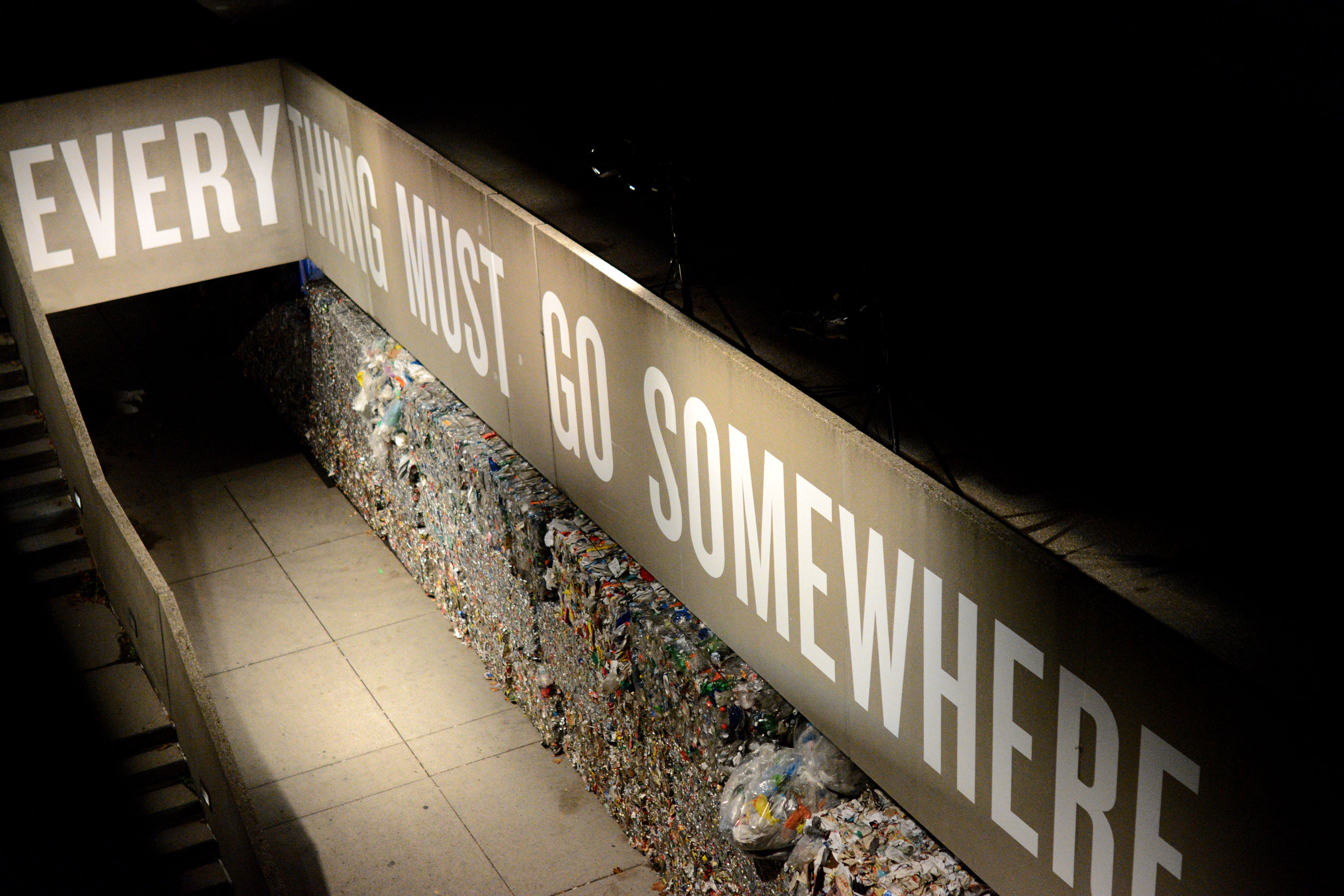
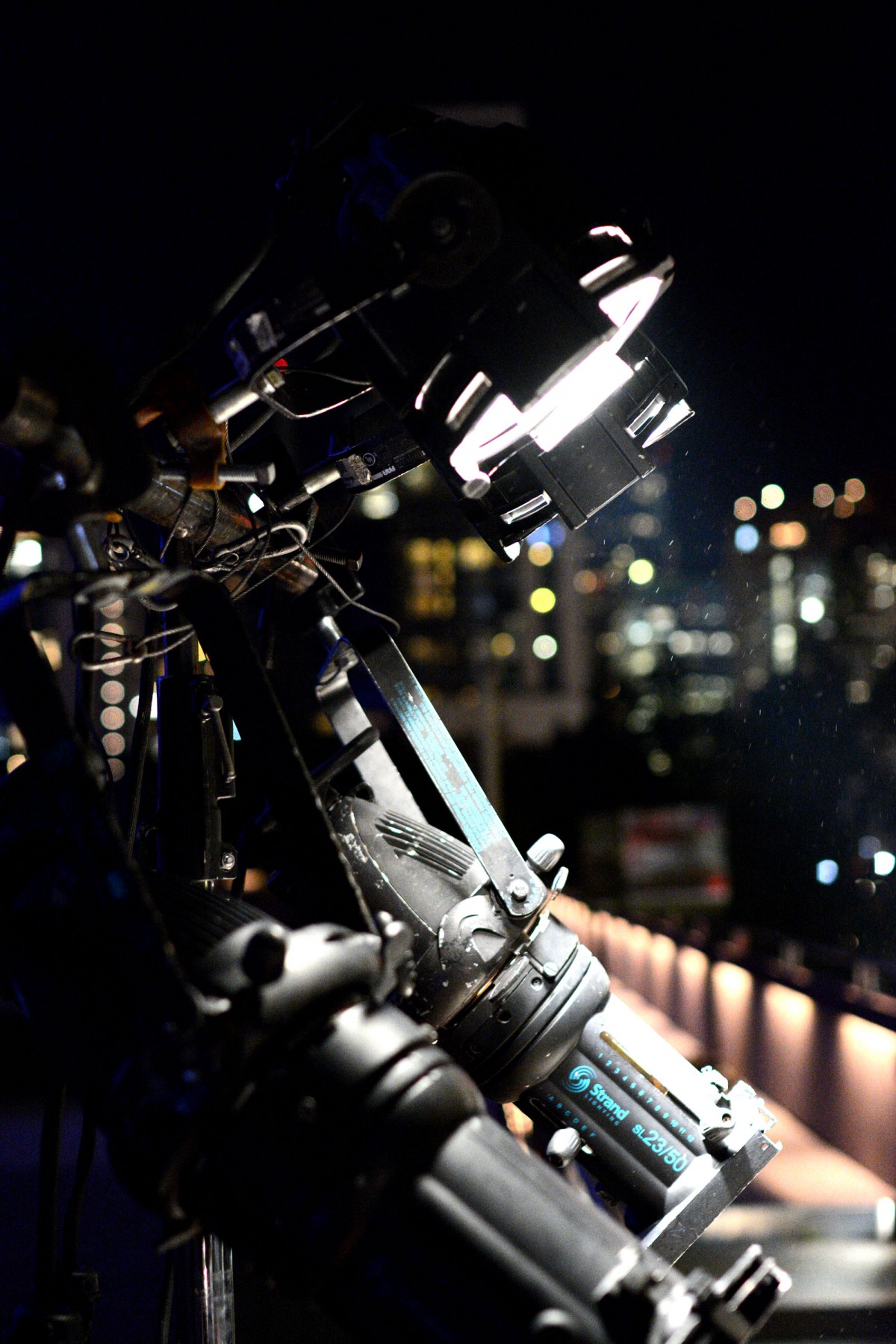
The featured image in this post is a set of lights at city hall illuminating an art installation called There Is No Away, 2015, an extended exhibit first shown at Nuit Blanche in the same year, and pictured below.

B47_9084
There Is No Away, 2015

It’s literally (and I mean actually, not figuratively, since apparently now literally can mean either…) a pile of garbage. Several piles of garbage. I walked around skid after skid of compressed, bound garbage—there’s no escaping it. To throw something “away” is a misnomer. Everything has to go somewhere. Away is an illusion created by the places we cannot—or will not—see.

The featured image in the post is also me. I knew it as soon as I saw the shot in the camera. I see in the dark, casting light into the places we try to hide our garbage. I see the excess and waste bound before us in tight packages, stacked in front of us in a growing challenge to do better. And I know we can. Because we must.

I looked at this metal and wire structure with head and hands made of light and saw myself looking at the world the same way I looked out into the sky and saw myself looking back at me.

An entire planet to call home. An entire sky to explore. An entire universe to discover.

Welcome back.

eXtreme Deep Field

Just a little closer—then I’ll bring things back down to Earth.

The thing with scale is its limitless. You can always go smaller, bigger, longer, narrower, wider, taller—the sky is the limit, so we’re told, but it’s actually not. It’s as close to limitless as we can get, and even that’s wrong, since you can always get a little closer to closer without ever reaching it.

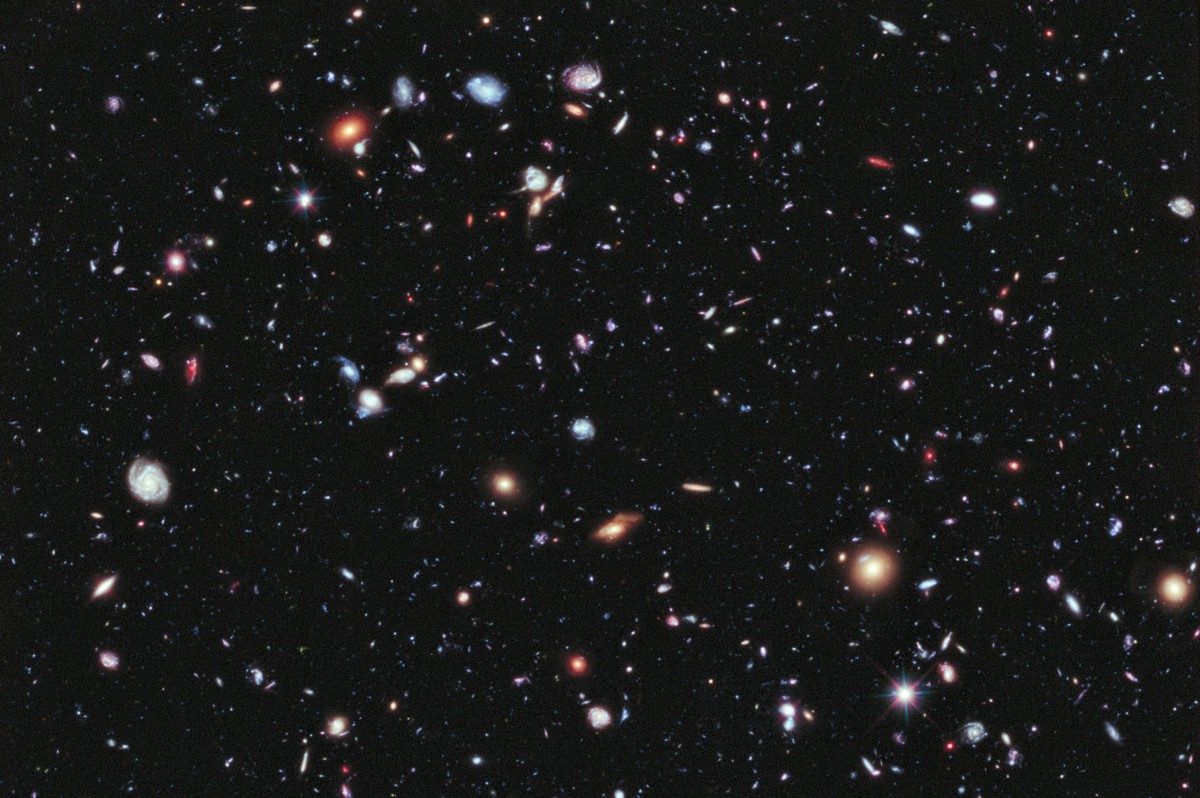
Welcome to the Hubble eXtreme Deep Field.

This is no joke.

The image above is a slight zoom of the previous Ultra-Deep Field image representing 80% of the area previously imaged. Total exposure time has been doubled to two million seconds, roughly twenty-three days. Represented here are ten years of combined images. And the numbers just keep climbing…

With the exception of a very few clearly defined stars—the only objects with visible diffraction spikes—every single point of light is an entire galaxy. There are an estimated 5,500 additional galaxies in the eXtreme Deep Field than in the previous Ultra-Deep Field. The faintest galaxies represent one ten-billionth of the brightness of what the human eye perceives. These galaxies are 13.2 billion years old. The universe itself is an estimated 13.8 billion years old. This, right now, is the deepest optical view into space we’ve ever had. This is what our world looked like moments after it was created—an ever-expanding, ever-limitless world.

We can look into the sky for an eternity, but it always shows us back the same thing: endlessness. There are no limits. And if our world out there has no limits, and our world here is a part of that world, there are no limits here, either. All we must do is realize this. We are beings borne by potential.

Our limits come from within.

Ultra-Deep Field

“If you find yourself lost in the woods, fuck it, build a house.”

The image from my previous post is known as the Hubble Ultra-Deep Field, and I love it.

Taken using the Hubble Space Telescope it’s one of my favourite images from our universe, a beautiful snapshot of the patterns and colours of space—swirling galaxies and starbursts of light. It’s everything I ever imagined space to look like when I was little. And sure enough, that’s what it looks like now.

Or, more accurately, that’s what it did look like then: space doesn’t actually look like this anymore. When you look at this image you’re looking anywhere from 7 to 13 billion years into the past. This image is an exercise in understanding the vast scales spacetime plays out on. And that’s the other reason I love it.

But today I feel lost in this vastness, ungrounded from Earth and adrift in a place with no time—an ultra-deep field far from home… I’m supposed to this and supposed to that. Begin: The rest is easy is what I’d said.

So let’s try something new: instead of drifting, let’s see if I can engage my analytical mind. Let’s quantify it. If I’m stuck out here I might as well make myself useful, right? How vast a space is my ultra-deep field?

First off, the image itself is not one image. It’s a composite of images taken from two sets of observations using four different filters made between September 23 to October 28, 2003 and December 4, 2003, to January 15, 2004. Total exposure time was just under 1 million seconds, roughly eleven and a half days, with 800 separate exposures taken at an average of 20 minutes each. All these images were processed into a new image with varying exposures to create the illusion of a single snapshot of space.

Second, this single snapshot of space represents a small portion of the sky. To the soutwest of Orion lies the southern-hemisphere constellation of Fornax—Latin for chemical furnace—and this is where Hubble was pointed for each of its observations needed to build the image. Fornax is one of the 88 modern constellations and known only since the 18th century when it was “added” to the sky by astronomer Nicolas-Louis de Lacaille. There are no myths associated with the constellation as a result, but you already know Lacaille, even though you think you don’t, as he gave Halley’s Comet its now famous name.

Facinating—but I still don’t understand how this is a small portion of the sky…

Get your smallest, sharpest scissors out and somehow cut a millimetre by less than a millimetre rectangular piece of paper. Now, without dropping it, hold this paper a metre away from you and up toward Fornax. That’s approximately one thirteen millionth of the total area of the sky, and that’s the area of the Ultra-Deep Field. If the entire sky were to be imaged as the Ultra-Deep Field was it would take a million years of continuous observation.

And even though we’re only looking at one thirteen millionth of the sky for a total of eleven and a half days, at the end of the observation, we’ve an image composed of the light from 10,000 galaxies (each made up of billions upon billions of stars) that’s anywhere from 7 to 13 billion years old. Represented in this image are some of the most distant, ancient objects in the universe.

Space is an inherently lonely place at times, the only container large enough to hold the light from an entire civilization’s rise and decline all at once with room for eternity on either side. Despite this, and despite knowing how absolutely small the scale of my being is when compared to all that’s contained within the Ultra-Deep Field, and knowing how absolutely small the Ultra-Deep Field is when compared to the rest of the sky, I find it one of the most comforting commentaries on what it does mean to be here, now, able to look so far back into time and know I am still connected to it. It’s still my home. And how can I be lost when I’m home?